Two Easy Ways to Start Earning Rewards!
Become a member today! Members-only pricing and offers, personalized care notifications, Vital Care points back on every purchase and more!
 Become a credit card member today!
Earn 2X Pals Rewards points at Petco
when you use Petco Pay!APPLY NOWLearn More About Petco Pay Benefits
ESU Fish
Get It Today


Related Articles & Questions
- Care Sheets
Don't Release Pets: Protect Waters from Invasive Fish & Plants
Habitattitiude™ commits to environmental protection by not releasing unwanted fish into public areas.
Updated on October 23rd, 2025
- Care Sheets
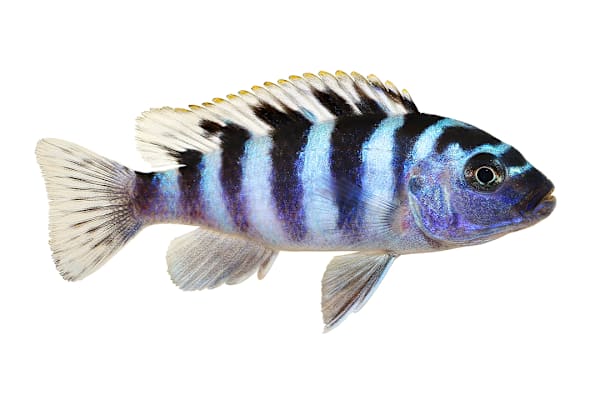
Ultimate Cichlid Care: Tank Setup, Feeding, & Compatibility Guide
Learn how to care for your Cichlid, recommended diet and tank setup. Find the right food, supplies and equipment at your neighborhood Petco.
Updated on April 9th, 2026
- Care Sheets
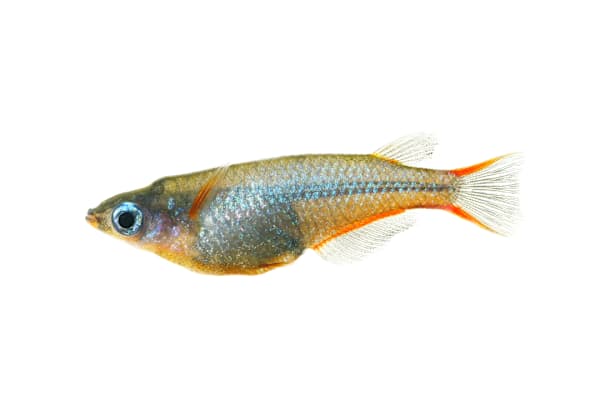
Complete Ricefish Care: Setup, Diet, & Habitat for Thriving Fish
Learn more about these slow moving fish and the care they need when added to your aquatic environment.
Updated on April 9th, 2026
 Care Sheets
Master Aquatic Plant Care: Lush Aquarium Plants & Happy Fish
Tanks with live plants can be excellent additions to your home, bringing a touch of nature indoors. Learn how to take care of aquatic plants.
Updated on November 6th, 2025
- Care Sheets
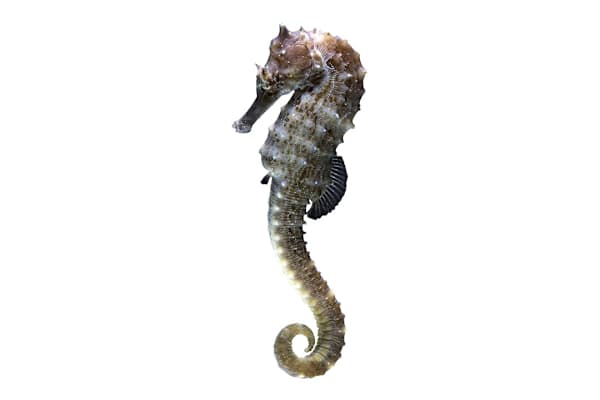
Ultimate Guide to Seahorse & Pipefish Care: Tank, Food & Setup
Learn how to take care of your Seahorses and Pipefish, recommended diet and tank setup. Find the right food, supplies and equipment at your neighborhood Petco.
Updated on April 9th, 2026
- Food & Nutrition
What fish and supplies are best for a beginner's small tank?
Without anything to use for scale, it is hard for me to tell how big your tank is, but in general it seems very small. Also, the water that is in the tank appears very cloudy right now, so that would be the first place to start. Water quality is very important, and will make or break your ability to house and care for fish. I would recommend getting a good filter system (you can visit a local pet store to assist you with brands in your area, as I am not familiar with what you can get in India). Be sure to bring the measurements (height, length, width) of your tank, or the gallons or liters so they can tell you what capacity of filter you will need. Everything else will depend on what types of fish you get - if you plan on getting multiple fish, they will need to be small - a general rule of thumb is one square inch of fish per gallon of water. Depending on the species you get, you may need to also get a bubbler to ensure there is enough oxygen in the water for them, and you will also likely need to get some sort of substrate for the bottom and cage furniture (different species have different air requirements, and some are secretive and like to hide). You may also need a water heater, depending on the species you would like to house. But, depending on how small your tank is, it may be hard to get a water heater that will fit. The food type will also depend on what species you get, as there can be differences in diet type between species. I hope that gives you a place to start, and good luck!
Updated on September 24th, 2025
- Health & Wellness
Why are my fish dying with grey spots? How do I treat their illness?
Check the water chemistry. The discoloration could be due to elevated ammonia levels which can cause "burns". Use a home test kit or submit a water sample for testing. The local Petco may do this for free or for a small fee. Aim for an absence (0 ppm) of ammonia and nitrites with nitrates at 20ppm or less. Perform partial water changes to stabilize chemistry and/or to improve water quality. Use only conditioned water that is temperature matched to prevent stress or shock. The Neons (blue fish) appear to be infected with Ich, a parasite. Treatment is possible with commercial products found in the local Petco. Follow label directions carefully. You will need to treat the entire tank until all traces are gone. Removing a lump from your fish on your own is never recommended. You can cause severe injury. Most broad spectrum antibiotics (Kanaplex, Maracyn, Maracyn 2, etc.) found in the aquarium section of the local Petco should help treat or prevent infection. Choose one and follow label directions. Remove the carbon filter insert during treatment if indicated. Maintain pristine water quality via filtration and regular partial water changes to aid in recovery. You can feed frozen worms, just thaw then first in a small cup then place them in the tank.
Updated on September 24th, 2025
- Food & Nutrition
My accidental fish fry: Will it be lonely? Is it eating enough?
It should be fine on its own. Once it gets bigger and you can definitively identify it, you can then decide to add tank mates or not. Continue to feed it the fry food. You can also use finely ground flakes or pellets.
Updated on September 24th, 2025
- Vet Q & A
How to introduce pond fish to their new pond after quarantine?
The majority of the acclimation guide is intended for introducing animals recently purchased online into a quarantine environment that have been inside a dark box for 24+ hours and the water quality is most likely degraded from waste. Hopefully you followed these steps before introducing your pond animals into their quarantine environment. After the quarantine period the acclimation from this environment should be relatively easy and quick – given the water parameters in the quarantine environment are ideal and similar to your pond. The best way to move the fish would be to put them in a 5 gal. bucket and float the bucket in the pond for at least 30 minutes so the temperature in the bucket can gradually reach the same temperature as the pond. Make sure you do this in a shady spot of the pond or during a time period when the bucket will not be in the sun. In order to keep the bucket from tipping it may take some creativity but it may be as simple as using a wooden pole laid across the pond centered through the bucket handle to achieve this. Make sure to add a small air-stone to the bucket to agitate the surface so the oxygen and pH levels don’t change. From there you can gradually introduce pond water to the bucket and remove the mixed water until you are confident that the majority of the water left in the bucket is water from your pond (should take no more than 20-30 minutes). From there, gently scoop the fish out and place them in the pond and discard the water from the bucket.
Updated on September 24th, 2025
- Food & Nutrition
Why are my new angelfish not eating, bumping tank, and eye black?
The fish pictured are incompatible in the same tank. Angelfish (black ones) are tropical fish and do best in temps between 73 F and 84 F. Goldfish (white and orange) are cold water fish thriving in temps between 65 F and 72 F. It also appears as if one of your angels has some damage to a tail fin. This is typically due to fin nipping by other fish. You will need to remove either the angels or the goldfish and place them in a different tank. Check the water chemistry for elevated levels of ammonia or nitrites. This can occur in an uncycled tank or a tank that is overstocked. Partial water changes (30-50%) daily can decrease toxin levels. Use only aged or conditioned water that is temperature matched to prevent stress or shock. Confirm your filter is rated for at least twice the water volume of the tank, especially for the goldfish. The links below provide additional information for care of angels and goldfish. http://aquariumtidings.com/angelfish-care/ http://aquariumtidings.com/all-about-goldfish-how-to-care-for-a-goldfish-fish-at-home/
Updated on September 24th, 2025