Two Easy Ways to Start Earning Rewards!
Earn 2X Pals Rewards points at Petco
when you use Petco Pay!
Get It Today
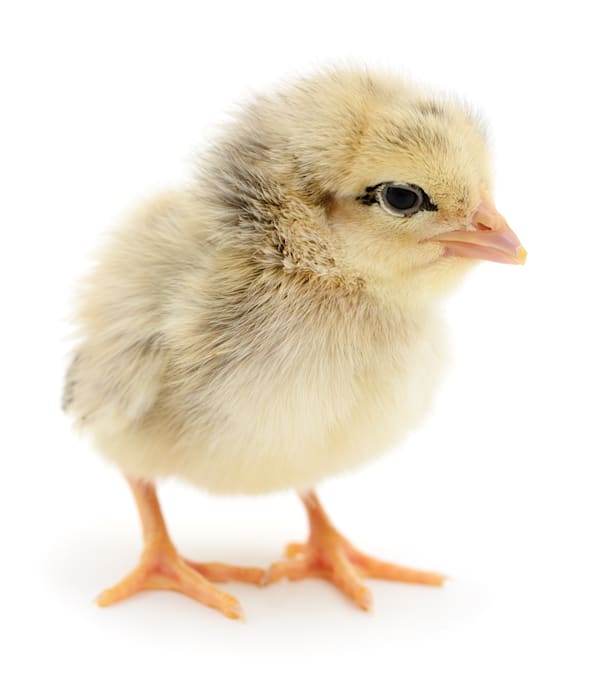
Learn how to take care of a Chick, recommended diet and habitat setup. Find the right food, supplies and equipment at your neighborhood Petco.
Updated on April 9th, 2026
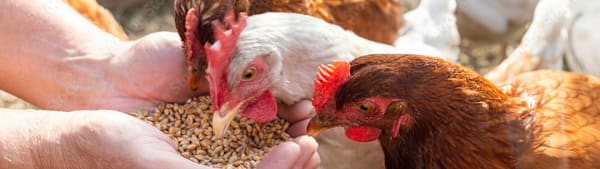
Do you have questions about what to feed your chicken(s)? Petco has the answers! Visit us to learn about chicken dietary needs.
Updated on June 19th, 2026
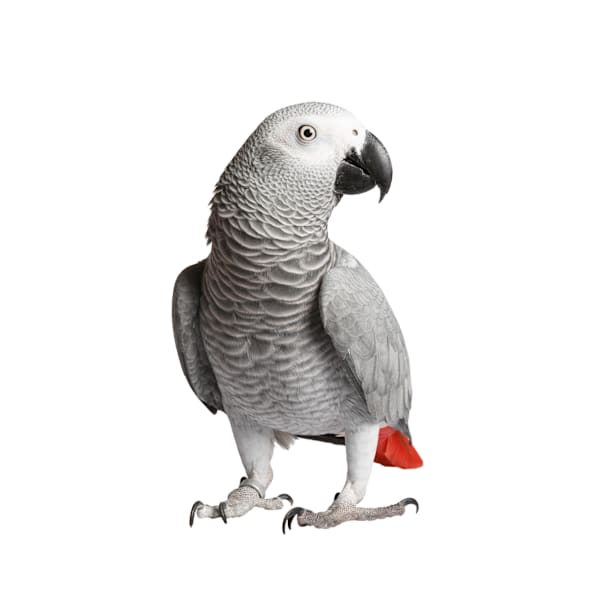
Learn how to take care of large Hookbill, recommended diet and housing setup. Find the right food, supplies and equipment at your neighborhood Petco.
Updated on April 9th, 2026
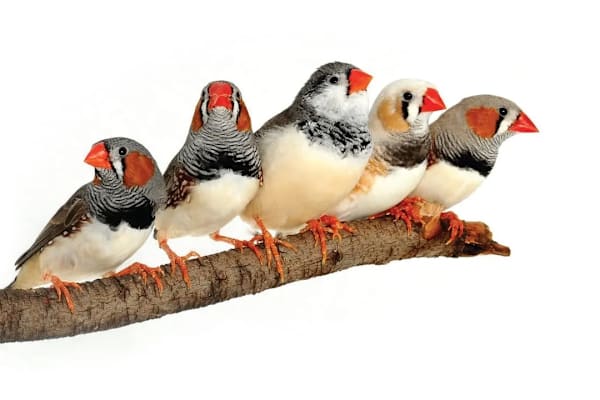
Learn how to take care of your pet Finches, recommended cage size, diet & housing setup. Find the right food, supplies & equipment at your local Petco.
Updated on April 9th, 2026
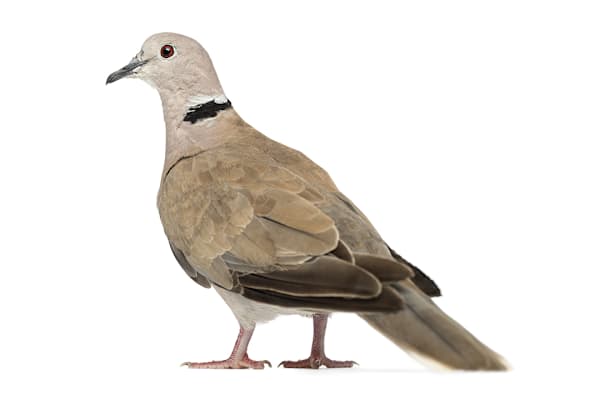
Learn how to care for your pet dove, recommended diet and cage setup. Find the right food, supplies and equipment at your neighborhood Petco.
Updated on April 9th, 2026
Choose a commercial pelleted diet labeled as "all flock" or "flock raiser". This is a complete diet for most chickens. For the hen, you will need to supplement calcium, especially if she is a layer. You can offer her crushed oyster shells freely. Do not use a layer diet for both. The calcium levels would be too high for the rooster leading to potential health issues for him. The website www.backyardchickens.com is an excellent resource for information regarding the husbandry and feeding of domestic chickens.
Updated on September 24th, 2025
If you are concerned about your birds getting cold you should keep them in a wind-proof enclosed shelter and provide them additional heat with a heat lamp. The feed you described is appropriate provided they are in cold weather. You should not feed corn if the temperature is above 90 degrees Fahrenheit or 32 degrees celsius.
Updated on September 24th, 2025
Hello. It is very common to see reproductive disease in chickens including salpingitis & egg yolk peritonitis. If you could bring her indoors where it is a bit cooler, feed her nutritious foods such as cornbread, cooked eggs, even a bit ( not much ) of canned cat food & see if she perks up. Many of these birds are actually in quite a bit of pain, so if there is any way to have her seen by a vet, this would be best. X-rays are often taken in these cases to evaluate the internal organs or see if she is actually egg bound. There is a lot we know about chickens, but sometimes not much we can do to save them. Hope you can have her evaluated soon. Thanks for using Petco Pet Education Center, formerly Petcoach.
Updated on September 24th, 2025
If they are egg layers, feed a layer feed. For chickens raised for meat, feed a grower feed. Vitamins can be added to food or water. Medications should only be administered on the advice of a veterinarian who has physically examined them.
Updated on September 24th, 2025
Without knowing more about the signs that your birds are showing, it is difficult to say what is going on with them. There is a lot of overlap with infectious diseases in chickens, so many of them can look alike. The treatments for them, however, can vary, and need to be initiated by a veterinarian. I would recommend that you contact a veterinarian in your area so that s/he can do a physical exam on at least one of your birds. I was unable to find where you were located based on your zip code, as it did not give any results for the US. There are some regions which have avian diagnostic labs, and many times they have a chicken veterinarian on staff. This may be an option for you depending on your location. At home, you can try supportive care for the birds. Ensuring they have a warm place to go is crucial, so they don’t have to work as hard to keep warm (chicken body temperatures are about 102-104 F). Also make sure they have fresh water and food easily available to them, and monitor to ensure they are eating. To do this, you can feel along the bottom of their necks - this is where the crop is, and it is a pocket in their esophagus where good is stored when they eat. If you feel good in it, that is good as it indicates they are eating. If it is empty, they are not. Please do not give any human medications to your birds, as many of them can be harmful to chickens. I hope that gives you a place to start, and good luck.
Updated on September 24th, 2025