Two Easy Ways to Start Earning Rewards!
Become a member today! Members-only pricing and offers, personalized care notifications, Vital Care points back on every purchase and more!
 Become a credit card member today!
Earn 2X Pals Rewards points at Petco
when you use Petco Pay!APPLY NOWLearn More About Petco Pay Benefits
ecoFLEX Chicken Supplies


Related Articles & Questions
- Food & Nutrition
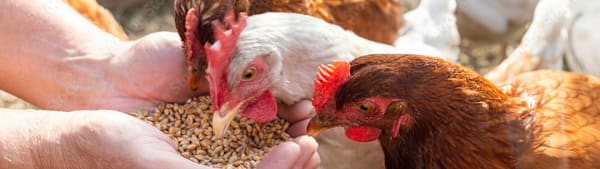
Cool Facts About Chickens + What They Can Eat
Do you have questions about what to feed your chicken(s)? Petco has the answers! Visit us to learn about chicken dietary needs.
Updated on June 19th, 2026
- Home & Habitat
Caring for Your Pet Bird During a Power Outage
Learn more about beachcombing tips with your water-friendly dog to understand how to get most out of your dog’s day at the beach.
Updated on July 17th, 2026
- Food & Nutrition
Bird Food & Nutrition Guide for Pet Parents
Learn some quick tips for getting your fussy bird to eat full and varied diet that could include birdseed, fruits and vegetables.
Updated on July 17th, 2026
- New Pet
How to Choose the Right Pet Bird for You
A number of factors go into finding the best pet bird for you and your family. Read through these questions and tips to select which life long companion is right for you.
Updated on June 12th, 2026
- Seasonal Topics
Top Summer Safety Tips for Pet Birds
Read more about how to care for your pet birds during the warmer months and keep them safe, happy and healthy all summer long.
Updated on June 19th, 2026
- Health & Wellness
My chicken is sick with IBD-like symptoms. What should I do now?
Without knowing more about the signs that your birds are showing, it is difficult to say what is going on with them. There is a lot of overlap with infectious diseases in chickens, so many of them can look alike. The treatments for them, however, can vary, and need to be initiated by a veterinarian. I would recommend that you contact a veterinarian in your area so that s/he can do a physical exam on at least one of your birds. I was unable to find where you were located based on your zip code, as it did not give any results for the US. There are some regions which have avian diagnostic labs, and many times they have a chicken veterinarian on staff. This may be an option for you depending on your location. At home, you can try supportive care for the birds. Ensuring they have a warm place to go is crucial, so they don’t have to work as hard to keep warm (chicken body temperatures are about 102-104 F). Also make sure they have fresh water and food easily available to them, and monitor to ensure they are eating. To do this, you can feel along the bottom of their necks - this is where the crop is, and it is a pocket in their esophagus where good is stored when they eat. If you feel good in it, that is good as it indicates they are eating. If it is empty, they are not. Please do not give any human medications to your birds, as many of them can be harmful to chickens. I hope that gives you a place to start, and good luck.
Updated on September 24th, 2025
- Home & Habitat
Is a wooden birdhouse safe for my Chinese dwarf hamster's winter home?
The only thing that I would be concerned with would be if the wood is coated with any type of toxic substance. I believe you can find houses meant for rodents (since these guys chew so much). I would stick with these. Thank you for using Pet Coach!
Updated on September 24th, 2025
- Training & Behavior
What bird is best for small spaces, low maintenance, short lifespan?
Birds can be fun pets to have around the house, but I have to say that they are all high-maintenance. They require daily feeding, cleaning bathing and appropriate enrichment in order to keep them happy and healthy. If this is not provided, then you may end up with a miserable/sickly bird with no feathers. Vet bills can be very expensive when birds get sick, because there are limited veterinarians that are knowledgable and skilled with avian medicine. Providing as much space as possible is best for a bird. I think I have an idea of the type of cage you want, but this is not a very suitable cage for anything other than a small bird (tend to have shorter life-spans than bigger birds). Even then it's quite small for a bird, because birds are born with the expectation of having unlimited space. You will also have to consider the noise. If your place is small, then I'd assume you have close neighbors. Birds are generally very noisy and can easily make some enemies in close quarters. Unfortunately, there is not a pet bird that completely meets your criteria, but if you are determined to get a bird, then a Budgie would likely be the best option. Below are a couple of links with some more information about Budgies and caring for birds. http://www.budgerigar.com/ http://www.budgie-info.com/budgie-care.html I hope that helps and all goes well.
Updated on September 24th, 2025
- New Pet
Why is my rescued bird pressing its stomach on the floor and acting weird?
Thanks for reaching out about Luci and including a photo. By the picture it appears as if the crop is over-extended and possibly gas or fluid filled. This can be bacterial, yeast, other fungi, an obstruction or other concern. If too cold, they have difficulty digesting food. Food needs to include vegetables (wide variety), plant proteins and should not be seed only. If syringe feeding, ensure that food is the proper temperature, as too hot can scald crop and too cold decreases motility. Provide 24/7 heat support in the 80-85 F range. A veterinary visit can provide a good diagnostic/treatment plan. Good luck.
Updated on September 24th, 2025
- Vet Q & A
Why are my backyard chickens sleepy, coughing, sneezing, and unresponsive?
This sign could be compatible with an upper respiratory tract inflammation/infection or eventually to a chronic rhinitis (inflammatory, allergic, infective). A clinical examination at your local veterinarian is essential to confirm these clinical suspicions and treat appropriately. Antibiotics may be needed. Please do not hesitate to contact us again on the forum or by requesting a consultation if you have any more questions or to discuss it any further.
Updated on September 24th, 2025