Two Easy Ways to Start Earning Rewards!
Become a member today! Members-only pricing and offers, personalized care notifications, Vital Care points back on every purchase and more!
 Become a credit card member today!
Earn 2X Pals Rewards points at Petco
when you use Petco Pay!APPLY NOWLearn More About Petco Pay Benefits
EcoBio-Block Fish
Get It Today


Related Articles & Questions
- Product Guides
Petco Filters: Complete Aquarium Filtration Guide
Discover the fish tank filter system that’s right for your aquarium. Learn about mechanical, chemical, and biological filtration at Petco.
Updated on June 19th, 2026
- Care Sheets
Don't Release Pets: Protect Waters from Invasive Fish & Plants
Habitattitiude™ commits to environmental protection by not releasing unwanted fish into public areas.
Updated on October 23rd, 2025
- Home & Habitat
Self-Sustaining Aquarium Fish Tank: Complete Setup Guide
Learn how to make a self-sustaining aquarium. Visit Petco to learn all the steps to create the self-sustaining aquarium of your dreams!
Updated on June 19th, 2026
- Care Sheets
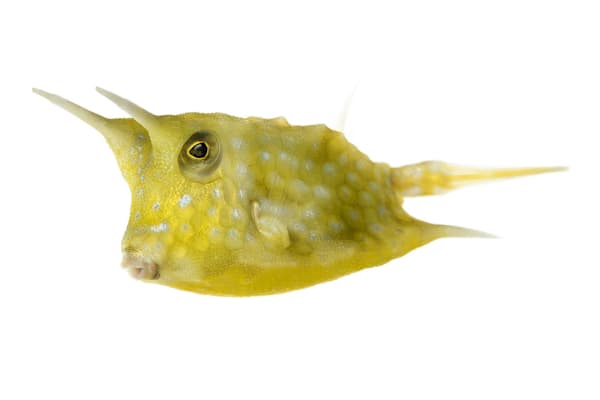
Advanced Boxfish & Cowfish Care: Ultimate Tank Setup, Food, & Safety
Learn how to care for Boxfish & Cowfish, recommended diet and aquarium setup. Find the right food, supplies and equipment at your neighborhood Petco.
Updated on April 9th, 2026
- Home & Habitat
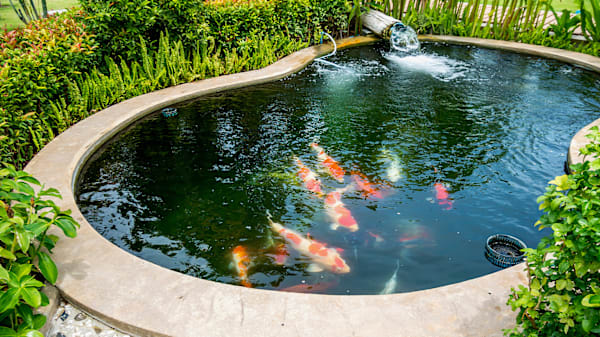
Building a Backyard Pond for Koi & Pond Fish | Petco
When creating an outdoor fish pond you need the right environment, fish and maintenance to keep your water feature looking its best.
Updated on June 19th, 2026
- Vet Q & A
Why does my fish have a white growth on its head after coming inside?
Check water chemistry and filtration. Sunny may have developed a bacterial or fungal infection due to the switch in environment. Clean water is crucial to resolving infection. Perform regular partial water changes. Use only aged or conditioned water that is temperature matched to prevent further stress or shock. Maintain water temperature between 75 F and 72 F. Minor infection maybe resolved using plain aquarium salt (NOT table salt). Salt is a great general tonic. It reduces stress, improves gill function and aids in recovery. Dissolve 1 teaspoon of salt per gallon of water in a cup of tank water and gently pour it into the tank. Treat until symptoms resolve. When performing water changes, use just enough salt to treat the water being replaced, not the entire tank volume. If necessary, you can use a broad spectrum medication if symptoms persist. Look in the aquarium section of the local pet or fish store for products such as Kanaplex, Maracyn or Lifeguard by Tetra. Follow label directions carefully and remove the carbon filter insert if indicated.
Updated on September 24th, 2025
- Vet Q & A
Why are my fish dying with bleeding, white spots, and polluted water?
I'm sorry you are having difficulties with your aquarium. There are several issues that should be dealt with right now. They are water chemistry, aquarium size and choice/number of fish. Any new aquarium should be set up and, ideally, run empty for several weeks (usually 4-6 weeks). This is so beneficial bacteria have an opportunity to populate the substrate and filter. These bacteria are necessary to break down wastes that fish will produce. The technical phrase for this is "establishing the Nitrogen cycle". These bacteria will break down wastes into ammonia then nitrites then nitrates. Nitrates can then dissipate or be absorbed/used by live plants. In high enough concentrations, ammonia and nitrites are toxic and can kill fish. Cycling a tank with fish is possible but it increases the risk of loss. Water chemistry should be checked every few days using a liquid home test kit. A water sample can be submitted for testing , but is not as convenient as testing yourself. Most pet stores or fish stores will do this for free or for a small fee. Partial water changes, no more than 30%, can be done as needed to stabilize chemistry and maintain water quality. Choices for water conditioners include NovAqua, AmQuel Plus, Prime, StressZyme or StressCoat. Tank size is another concern. With most fish, the widely accepted "one inch of fish per gallon" will be sufficient. For koi and other carp species, including goldfish, the rule is not sufficient. At full size, goldfish need 20 gallons per fish with an additional 10 gallons for each additional fish. Koi do best in larger tanks, much larger...we're talking in the hundreds of gallons or small ponds. These species produce a larger than average bio-load (wastes) that can quickly affect water quality in a tank. To combat this, large water volumes and powerful filtration are required. Any filter should be rated for at least twice the tank volume. I'm not sure what size tank you have now, it may be fine if the fish are young and small, but they will quickly outgrow it. The last issue is choice of fish. Koi and goldfish are cold water fish. They do best in water between 65F and 72F. Most species of sharks do best in the high 70sF to low 80sF. Keeping fish in incorrect water temperatures will lead to stress and illness. This could be compounded by the water quality/chemistry issues you are having currently. Until the chemistry is stable and water quality is maintained, your fish will continue to become ill and possibly die. Any treatment will not be successful in this situation. Do not purchase or add any more fish until the tank has cycled. If you have additional questions, you can post them in the forum or request a consultation to discuss the case in greater depth.
Updated on September 24th, 2025
- Vet Q & A
Is bottled bacteria the best way to quickly cycle a goldfish tank?
Hi and thanks for your request. To better control Nitrite and ammonia spikes it is best to cycle it for a month at least and measure nitrites, ammonia and nitrate constantly. Please follow the recommendations here below: The nitrogen cycle is the process of various bacteria converting harmful waste. It involves 4 steps: The first step is the decay of waste products of fish, plants, and invertebrates, along with any dead organisms or uneaten food. As these materials decay, ammonia is produced, which at even low levels will burn the gills of fish and choke off their oxygen supply. Bacteria called Nitrosomonas consume this ammonia and, in the process creating another chemical byproduct called nitrite. Although nitrite is toxic (preventing blood from carrying oxygen), fish can withstand roughly twice the amount of nitrite in their water when compared to ammonia. Next, other bacteria called Nitrobacter consume the nitrite and, in turn, release a less toxic chemical called nitrate. Nitrate requires anaerobic conditions to turn it into harmless nitrogen gas. The parameters needed to create this condition are not commonly present in most aquariums. Hence, water changes are necessary to dilute nitrate. The Nitrogen Cycle in New Aquariums Because new aquariums lack the colonies of bacteria that are necessary to provide biological filtration, the aquarium must be cycled. Cycling refers to the process of establishing and maturing the biological filter. Here's how it works: As the first fish in the new system begin to thrive, they produce ammonia. Without any Nitrosomonas colonies established to consume this toxin, levels climb and spike until the ammonia-loving bacteria population catches up. This phenomena can be observed by the naked eye as a sudden and temporary appearance of wispy, smoke-like cloudy aquarium water Ammonia levels then start to decline once the rate of ammonia production is less than the rate at which it is broken down by the bacteria. Nitrite goes through a very similar spike. Nitrite is produced through the biological activities of Nitrosomonas as they consume ammonia. As their numbers increase, so does the amount of nitrite, and in turn the population of nitrite-hungry Nitrobacter will begin booming from the abundance of nutrients. Nitrite levels will rise until the number of bacteria has increased to the point at which they break down the nitrite faster than it is being produced. The end product of this whole process is nitrate. Nitrate, in low concentrations, is not as toxic to fish and invertebrates, but can cause other problems in the aquarium. The best way to control nitrate is through regular partial water changes. Typically, new aquariums can be cycled in 2 to 6 weeks, but the actual length of time depends on many factors. Use a quality test kit to test your water conditions every other day, and when both ammonia and nitrite levels return to zero, you'll know the cycle is established.
Updated on September 24th, 2025
- Vet Q & A
How to introduce pond fish to their new pond after quarantine?
The majority of the acclimation guide is intended for introducing animals recently purchased online into a quarantine environment that have been inside a dark box for 24+ hours and the water quality is most likely degraded from waste. Hopefully you followed these steps before introducing your pond animals into their quarantine environment. After the quarantine period the acclimation from this environment should be relatively easy and quick – given the water parameters in the quarantine environment are ideal and similar to your pond. The best way to move the fish would be to put them in a 5 gal. bucket and float the bucket in the pond for at least 30 minutes so the temperature in the bucket can gradually reach the same temperature as the pond. Make sure you do this in a shady spot of the pond or during a time period when the bucket will not be in the sun. In order to keep the bucket from tipping it may take some creativity but it may be as simple as using a wooden pole laid across the pond centered through the bucket handle to achieve this. Make sure to add a small air-stone to the bucket to agitate the surface so the oxygen and pH levels don’t change. From there you can gradually introduce pond water to the bucket and remove the mixed water until you are confident that the majority of the water left in the bucket is water from your pond (should take no more than 20-30 minutes). From there, gently scoop the fish out and place them in the pond and discard the water from the bucket.
Updated on September 24th, 2025
- Vet Q & A
Do red-eared sliders need anti-ich or water conditioner in their tank?
You shouldn't need anti ich medication for your sliders. The water conditioner (anti chlorine) is always a good idea if you use water from a municipal source. My personal preference for water conditioners are AmQuel Plus, NovAqua and StressCoat. You can purchase them online or in the local pet store. Be sure the water is no deeper than twice the length of the shell. You can read more about slider care here: http://www.anapsid.org/reslider.html
Updated on September 24th, 2025