Two Easy Ways to Start Earning Rewards!
Earn 2X Pals Rewards points at Petco
when you use Petco Pay!
Get It Today
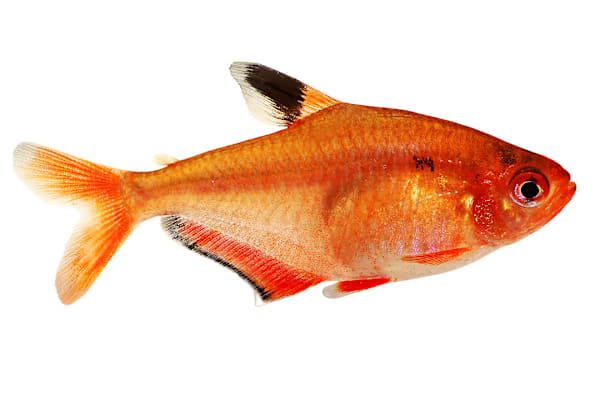
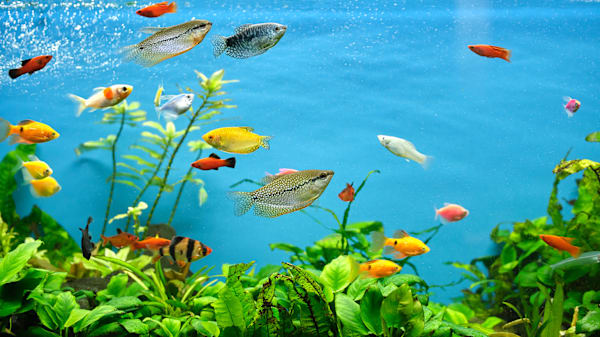
Learn how to care for freshwater community fish, recommended diet & aquarium setup. Find the right food, supplies & equipment at your neighborhood Petco.
Updated on April 9th, 2026
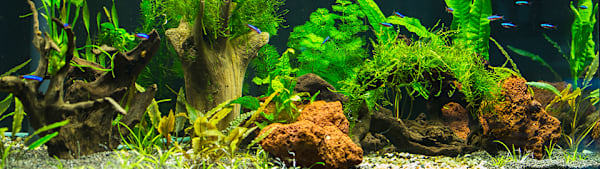
Everything you need to know about how to start a fish tank. Learn about setting up an aquarium, choosing the right type, and acclimating new fish to your tank.
Updated on June 19th, 2026
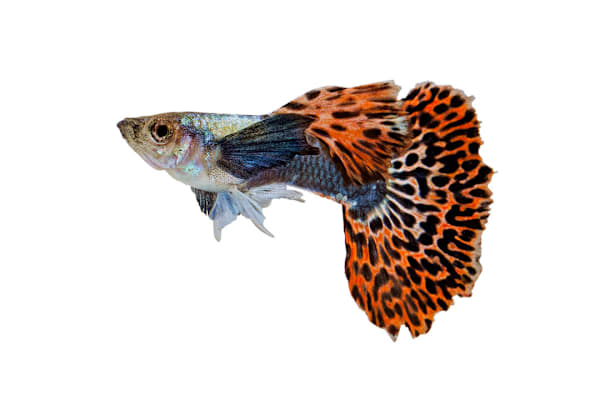
Learn how to care for freshwater livebearers, recommended diet & aquarium setup. Find the right food, supplies & equipment at your neighborhood Petco.
Updated on April 9th, 2026
Discover how to hardscape your aquarium here at Petco. Visit Petco and check out aquarium hardscape ideas, solutions and much more for your fish.
Updated on July 17th, 2026
Learn how to care for your Cichlid, recommended diet and tank setup. Find the right food, supplies and equipment at your neighborhood Petco.
Updated on April 9th, 2026
Thanks for reaching out. If is a good idea to fast for 1-2 days prior to shipment, this decreased feces and will help to keep the ammonia down. Typically clear bags are utilized with about 50% water, and 50% air/oxygen used. A local pet store might be able to assist, as they get shipment in (so have older bags and boxes, which need to be disinfected) and hopefully the skills to ship. Check with the airline also, box needs to be well labelled "LIE ANIMALS" and "THIS END UP". Sometimes a health certificate for interstate travel is needed, so contact airline and State of Utah, veterinarian. Good luck.
Updated on September 24th, 2025
The most common cause of death of a newly acquired fish is usually shock or incorrect water quality. Fish tanks should be set up and left running without fish for at least 3-4 weeks to establish a proper nitrogen cycle. There are products that can shorten this time period. If this is not done, there may be high levels of ammonia, chloramine, nitrates and nitrites which can kill a fish. When introducing a fish, the bag should be floated in the tank for about 30 minutes to acclimate the fish to water temperature. This can prevent shock if the water is too hot or too cold. Test your water quality with a home test kit or submit a sample for testing. Most pet stores or aquarists will do this for free or for a nominal fee. Correct any imbalances as indicated. Slowly acclimate any new fish as written above. You can request a consultation to discuss your concerns in greater detail if necessary. Buying fish and starting a tank can be quite confusing initially.
Updated on September 24th, 2025
Java Moss, Java Fern, Anubias and Amazon Swords are among the easiest live plants to care for and cultivate in an aquarium. You can use aquarium soil or aquarium sand depending on the species of plant(s) chosen. When medicating fish, it is best to remove them to a hospital or quarantine tank. This will spare live plants as well as beneficial bacterial populations, especially if an antibiotic is used. Medicated food is also an option.
Updated on September 24th, 2025
These catfish, and most fish, should not be handled frequently if at all. They have barbs, for self defense, that can injure you. If you must handle them, wear gloves and gently scoop them up from underneath. There may be some concerns keeping all these species together in one tank. Arowanas get very big and require large tanks. They can also be quite aggressive and may go after the Discus and Angels. The catfish, being a bottom dweller, may be safe. Another issue may be water hardness. Discus and Angels come from soft, acid water while Raphaels prefer hard water. Also, the Aro, Discus may do better in warmer water than the Angels and Raphael. These are all impressive fish and a joy to keep, but you consider the natural environment of each species before placing them all in the same tank.
Updated on September 24th, 2025
Thanks for reaching out about Fish. Test and correct water quality for pH, ammonia, nitrites and nitrates. If all fish are affected, water quality problems the most likely. Alteration can lead to increased mucous production from the skin (white stuff), but fungal dermatitis or parasites are also possible. A veterinary visit is recommended if the water quality if appropriate, to assess and provide a diagnostic/treatment plan. Good luck.
Updated on September 24th, 2025