Two Easy Ways to Start Earning Rewards!
Become a member today! Members-only pricing and offers, personalized care notifications, Vital Care points back on every purchase and more!
 Become a credit card member today!
Earn 2X Pals Rewards points at Petco
when you use Petco Pay!APPLY NOWLearn More About Petco Pay Benefits
Dennerle Freshwater Fish Food


Related Articles & Questions
- Care Sheets
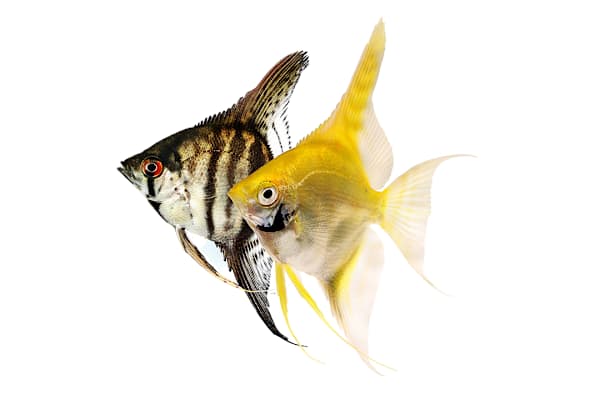
Freshwater Angelfish Care: Tank, Food, & Happy, Healthy Fish
Learn how to care for angelfish, recommended diet and aquarium setup. Find the right food, supplies and equipment at your neighborhood Petco.
Updated on April 9th, 2026
- Care Sheets
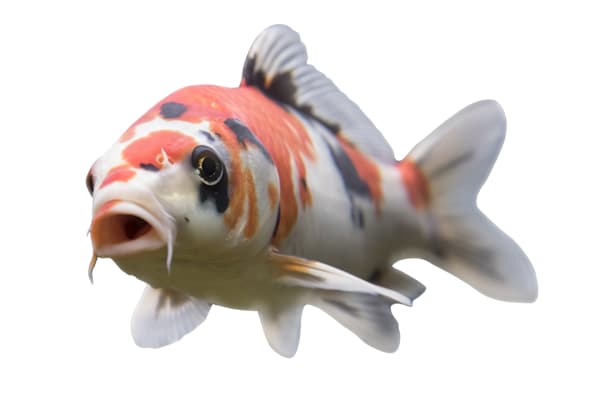
Mastering Koi Care: Optimal Tank, Food, Water Quality & Health Tips
Learn how to care for a Koi, recommended diet and aquarium setup. Find Koi for sale, supplies and equipment at your neighborhood Petco.
Updated on April 9th, 2026
- Care Sheets
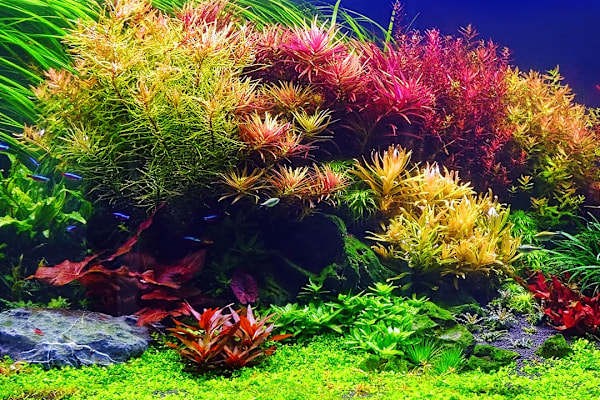
Grow Thriving Plants: Planted Aquarium Setup, Care & Benefits
Tanks with live plants can be excellent additions to your home, bringing a touch of nature indoors. There are many varieties of beginner-friendly plants to build your planted aquatic environment. Learn how to build & care for a planted tank.
Updated on October 23rd, 2025
- Home & Habitat
Freshwater Fish in Tank: Compatibility Guide
Find out which freshwater fish can live together with our compatibility chart and tips for creating a harmonious aquarium.
Updated on June 19th, 2026
- Care Sheets
Marine Shrimp Care for Beginners: Tank Setup, Food, & Compatibility
Learn how to care for Marine Shrimp, recommended diet & aquarium setup. Find the right food, supplies & equipment at your neighborhood Petco.
Updated on April 9th, 2026
- Vet Q & A
My cichlid tank has algae, bugs, and sick fish. What's wrong?
Those could be copepods. They are typically harmless and difficult to completely eradicate. On the good side, they are a sign of a healthy tank and are useful in eating decaying matter in the aquarium. The brown algae can be due to insufficient lighting or lighting periods. You can wipe down the glass and plants, perform a partial water change and increase lighting. It can take weeks to month to resolve. Use only aged or conditioned water that is temperature matched to prevent stress or shock. Confirm stable water chemistry and quality. Make sure the water temperature is correct as well. Too warm or too cold can cause stress. Look the Jack Dempsey over for signs of injury or infection. Ich, bacterial infection or fungal infection can cause the fish too twitch or shiver. Plain aquarium salt (NOT table salt or Epsom salt) dissolved at 1 tablespoon per 5 gallons of water is a great general tonic that can reduce stress, improve gill function, treat minor infection and aid in any recovery. The eels should be fine, but the snails should be moved temporarily. You can relocate both to a separate tank to be completely safe. Treat the tank for 10-14 days then reassess the condition of the fish. Perform a partial water change afterwards to reduce salinity before you returns the eels and snails to the tank.
Updated on September 24th, 2025
- Training & Behavior
Why is my fish not eating, has yellow poop, and a growth under eye?
Check the water temperature. Low temps can affect appetite and digestion in fish. Angels do best between 78 F and 80 F. You can soak food in garlic juice to stimulate his appetite. Next, check the water chemistry. This can be done using a home test kit or by submitting a water sample for testing. Most pet stores will do this for free or for a small fee. Confirm 0 ppm ammonia and nitrites with nitrates at 40ppm or less in a tank with live plants or 20 ppm or less in an unplanted tank. Partial water changes can be done, if indicated, to stabilize chemistry and/or maintain water quality. use only aged or conditioned water that is temperature matched to prevent stress or shock. Although they do best in slightly acidic and soft water, they are quite adaptable. Fast him for 2-3 days then feed bits of cooked and shelled green peas. if he is constipated then this should him him get regular again. A broad spectrum parasite medication, such as PraziPro, should be considered. You can find it in the aquarium section of the local Petco. Follow label directions carefully.
Updated on September 24th, 2025
- Health & Wellness
What is this aquarium plant? Is my fish tank setup safe and healthy?
Thanks for reaching out about your aquarium. Sorry not very good at botany but there should be tropical fish clubs that might help in identification. But comments about your tank. First, not sure if light penetration will be good for a plant that low in the water column. Secondly, the balanced rock formation looks tenuous, and might fall. Good luck.
Updated on September 24th, 2025
- Food & Nutrition
Why is my fish sick, gasping at surface with red fins in a small bowl?
The bowl looks definitively a bit small for the two fishes. To understand exactly what is going on you need to approach this problem radically but logically. Begin by submitting a water sample for quality testing. Most pet stores will do this for free or a nominal fee. Clinical examination should always include a water quality check, even if you have done so already. Water testing should be performed with a quality test kit, measuring NH4, NO2 and NO3. High ammonia levels, PH imbalances may be responsible for these signs. Oxygen concentration and quality of the filters should be determined as well. If water quality is good and there are no major imbalances, your fish should get examined to look for any sign of bacterial/fungal infection and eventually water should be treated. Hope this answer was helpful, but please do not hesitate to contact us again on the forum or by requesting a consultation if you have any more questions or to discuss it any further.
Updated on September 24th, 2025
- Health & Wellness
Why is my new African dwarf frog not eating, quiet, and floating?
Confirm proper environmental parameters. Frogs are very sensitive to changes in water chemistry and water temperature. Offer food every other day. ADFs are small and don't need to eat much. Feed as much as he will eat in 5-10 minutes. You can offer frog pellets, frozen or live brine shrimp or frozen bloodworms. Frozen beef heart can be used as an occasional treat. Remove any uneaten food promptly to prevent fouling the water.
Updated on September 24th, 2025