Two Easy Ways to Start Earning Rewards!
Become a member today! Members-only pricing and offers, personalized care notifications, Vital Care points back on every purchase and more!
 Become a credit card member today!
Earn 2X Pals Rewards points at Petco
when you use Petco Pay!APPLY NOWLearn More About Petco Pay Benefits
Creatures Reptile Deals
Get It Today


Related Articles & Questions
- New Pet
Reptile Habitat Setup Guide | Petco
Learn how to setup your reptiles terrarium to ensure your reptile lives a wholesome & happy life. Shop at your local Petco for all reptile terrarium needs.
Updated on July 17th, 2026
- New Pet
Is a Reptile Right for You? Essential Questions Before You Buy
Explore our tips about what to keep in mind when choosing the right pet reptile for your family. Consider what they need to stay happy and healthy.
Updated on October 23rd, 2025
- Health & Wellness
Scale Rot in Reptiles: Causes, Symptoms & Treatment
Search Petco for treatment for scale rot on your reptile. We can help you make sure your pet is always happy and healthy.
Updated on July 17th, 2026
- Care Sheets
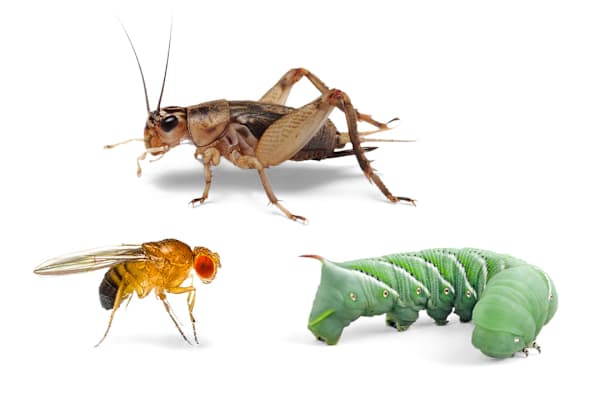
Reptile Feeding: Live Insect Selection & Care for Optimal Health
Learn about live insects for reptile feeding, recommended diet & habitat setup. Find the right food, supplies & equipment at your neighborhood Petco.
Updated on April 9th, 2026
 Health & Wellness
Reptile Power Outage: Protect Your Pet, Keep Them Warm & Safe
A few ideas to use to get your pet safely through a power outage, regardless of the time of year.
Updated on October 23rd, 2025
 Vet Q & A
I want a Collared lizard! How do I find a reputable breeder nearby?
Check out online sources such as LLL Reptile ( www.lllreptile.com ) and DFW Reptarium ( www.dfwreptarium.com ). You can also look up any upcoming reptile shows. A quick search showed ReptiCon ( www.repticon.com ) coming to Grapevine during the summer months.
Updated on September 24th, 2025
 Home & Habitat
What's the best cheap gecko for a beginner with a 20-gallon tank?
Leopard geckos are great "starter" reptiles. They don't require special lighting (UVB) like other reptiles. A 20 gallon tank is big enough for one. Add a heat source, hides and a water bowl and you are good to go. You can review gecko care at the links below. http://www.reptilesmagazine.com/Care-Sheets/Lizards/Leopard-Gecko/ http://www.anapsid.org/leopardgek.html
Updated on September 24th, 2025
- Home & Habitat
How can I improve my reptile's tank setup for safety and comfort?
Ideally, the UVB light source should run the entire length of the tank. A thermometer/hygrometer should be on each end of the tank to confirm cool and warm sides. Use a digital thermometer to verify temps. Those little ones you have can be inaccurate. Provide a hide on both sides as well. Personally, I would remove the fake grass as it has the potential to cause eye injuries. Your tank looks good otherwise.
Updated on September 24th, 2025
 Health & Wellness
How do I get rid of reptile mites and clean their habitat properly?
You must treat both the environment and the pet. You can try some over the counter products but many can be ineffective if the environment is not treated concurrently. Ivermectin can be dispensed by your veterinarian to use systemically or topically. Do not treat with ivermectin without the advice of your veterinarian as it is quite easy to overdose. A 30 minute soak in a diluted Betadine bath can remove most mites and may soothe irritated skin. Remove the substrate, bag it and take it outdoors. Clean and sanitize the cage, bowls and tank furniture. You can use hot, soapy water followed by a 1:30 dilution of bleach and water followed by a thorough rinsing on the tank, bowls and non porous surfaces. Discard anything that cannot be sanitized. You may need to clean and sanitize the enclosure weekly for several weeks. The pet may need multiple treatments as well.
Updated on September 24th, 2025
- Vet Q & A
My power is out! How do I keep my pet reptile warm and safe?
Here are some tips on how to care for pets who require continuous heat, such as reptiles and snakes: - Before a power outage, if possible, buy a generator. This will allow you to keep your reptiles warm during the outage. - Amphibians will do okay without heat for a period of time. Try to limit the number of times you open the habitat. - For a heat source, you can go to your local sporting goods store and purchase the heat packs used to warm feet and hands. These can be placed underneath the habitat (just like you would place an electric heating pad). This will allow your reptile to get heat. Do not put the pack into habitat with the reptile. - Another way to warm cold reptiles is to use a pillowcase. Place the reptile gently in the case and place the pillowcase next to your body under your shirt for warmth. - Pillow cases can also be used to transport reptiles if needed. - Do not feed your reptile as they need heat to digest their food. - You can save plastic milk containers and put warm water in them and place in the habitat for warmth. You can heat water on a BBQ grill or your hot water heater. Be careful not to use hot water, as it could burn your reptile. - Be advised that most reptiles will do fine with cooler temperatures; they go into a body slow down, so the temperature change won't hurt them for a short period of time: 24 - 48 hours. - Contact friends that have power and see if you can move your animals to their homes. - It is important to plan ahead of a power outage and have these items on hand to care for your reptiles. Additionally: Usually, IF a reptile needs to be kept warm during a short outage (few days or less), it is recommended that you place them into a small cooler (those little $5 styro ones can work) in a small container. A plastic shoebox or sandwich container can work, with some air holes. Hand warmers, hot water bottles, etc. can be placed into the cooler as well. This will form a very insulated area with a small amount of volume to heat. Be sure there is ventilation provided, though, as the hand warmers can suck oxygen from the air for the chemical reaction. This is a method that can be carried out for a relatively long period of time if necessary, and a digital thermometer with a probe can be placed in with the reptile and monitored from the outside, so you don't have to open the cooler and let out the warmth to check that the heat packs are still working. In all honesty, though, all but the most tropical reptiles can go a few days with temperatures into the 50's or 60's.
Updated on September 24th, 2025