Two Easy Ways to Start Earning Rewards!
Earn 2X Pals Rewards points at Petco
when you use Petco Pay!
Get It Today

Learn the importance of UVB light for your reptiles and the right reptile lights for your pet’s habitat.
Updated on July 17th, 2026
When it comes to reptile habitats, one of the most essential elements to creating a happy home for your pet is including the appropriate type of lighting. Zoo Med helps outline which lights are right for your pet.
Updated on July 17th, 2026

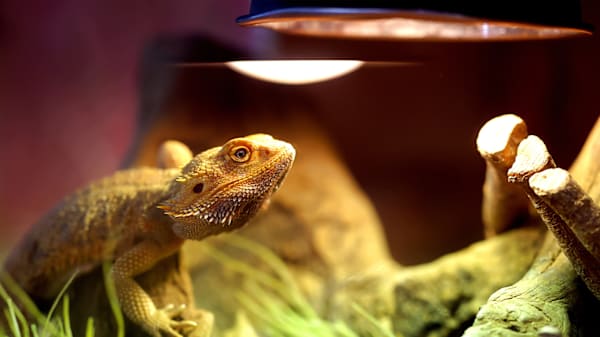
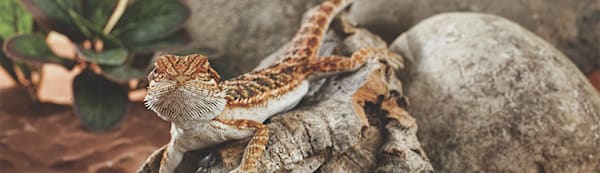
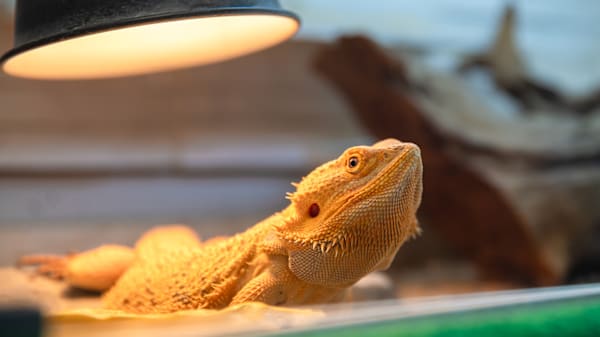
Bearded dragons have specific lighting requirements that emulate their natural warm and dry habitat. Learn about their lighting needs at Petco.
Updated on June 19th, 2026
Learn how to setup your reptiles terrarium to ensure your reptile lives a wholesome & happy life. Shop at your local Petco for all reptile terrarium needs.
Updated on July 17th, 2026
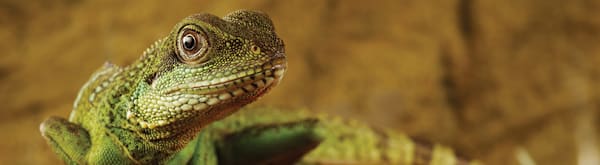
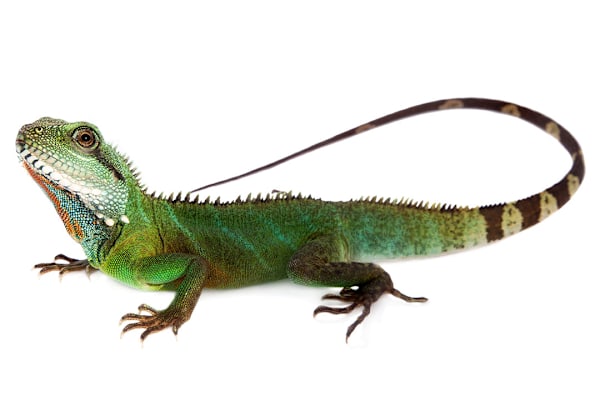
Learn how to care for tropical lizards, recommended diet & habitat setup. Find the right food, supplies & equipment at your neighborhood Petco.
Updated on April 9th, 2026

Hello. For the best health & living conditions for your anole, please only use products designed for them. Heating pads are dangerous & reptiles are not plants & require a very specific spectrum of light to grow in a healthy manner. In the long run, you will have less problems & metabolic health issues if you prepare a proper environment for your pet. Thanks for using Petco Pet Education Center, formerly Petcoach.
Updated on September 24th, 2025

The ReptiSun 10.0 bulb by Zoo Med is widely recommended. It should not be obstructed by either glass or plexiglass or be more than 18 inches away from the basking area. If you can't get one just yet, natural unfiltered sunlight can be provided daily if you can do it safely and without risk of escape.
Updated on September 24th, 2025

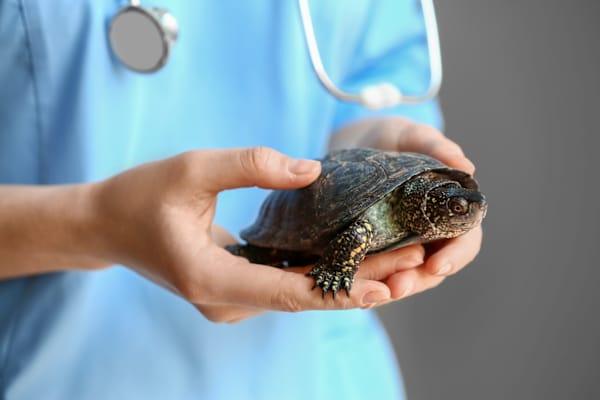
A RES requires full spectrum lighting (UVA and UVB) and lighting that provides heat. The dry dock, or basking area, should be completely out of the water. Basking temps should range between 90F and 95F (32-35C). You should place the UVA/UVB bulb as close to the heat lamp as possible. It should be no more than 12" away from your RES and should not have a barrier between it and your turtle. Glass, acrylic and plastic block UVB while screens with grids under 1/2" can obstruct a good portion of UVB rays negating the health benefits. Lighting should be on for around 12 hours a day, depending on the time of year. Full UVA/UVB bulbs need replacing every 6 months. The simplest combination for adequate lighting is a UVA/UVB fluorescent bulb and an incandescent light bulb (for heat). Incandescent light bulbs are standard household lights easily purchased at stores such as Home Depot or Lowes. Make sure your RES cannot splash water on it or come into contact with it. You can also consider halogen lights and red heat bulbs for supplemental heat. You can buy the UVA/UVB bulbs at most pet stores. Search in the Reptile section. They can also be purchased online for around $30-$40. ReptiSun 10.0 (by ZooMed) or ReptiGlo lights are quality full spectrum bulbs.
Updated on September 24th, 2025

The ReptiSun 5.0 UVB bulb will provide sufficient UVA/UVB lighting for an anole. Be sure it is not obstructed by glass or plexiglass and replace it every 6 months (it loses strength over time). Leonard should have 12-14 hours or lighting each day. The simplest way to ensure this is to place the tank light and UVB light on a timer. If temps drop below 65 F at night, you'll need a supplemental heat source for the enclosure. A ceramic heat emitter (CHE) will emit heat with no visible light so as to not disturb him at night. You can read more about anole care here: http://www.anapsid.org/anole.html
Updated on September 24th, 2025

A heat lamp isn't necessary unless the room where the cage is located is cold. Cresties do just fine at room temperature. A UVB light source isn't necessary either as long as you feed a diet containing adequate levels of Vitamon D3. That said, either won't harm him and it is a matter of personal preference. Be sure to monitor cage temps to make sure they don't go too high. There was no image attached to this question. Age can be difficult to determine if you don't have a hatch date. The reason being that growth can be dramatically affected by diet and environment. Contact the PetSmart where he was purchased. They should have records from the source/breeder which should include a hatch date or age.
Updated on September 24th, 2025