Two Easy Ways to Start Earning Rewards!
Become a member today! Members-only pricing and offers, personalized care notifications, Vital Care points back on every purchase and more!
 Become a credit card member today!
Earn 2X Pals Rewards points at Petco
when you use Petco Pay!APPLY NOWLearn More About Petco Pay Benefits
Crab Island Small Animal Food & Treats
Get It Today


Related Searches
Related Articles & Questions
- Care Sheets
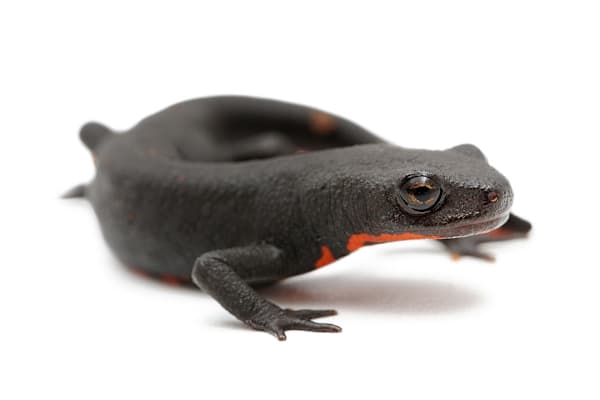
Mastering Pet Salamander & Newt Care: Food, Habitat, Health Guide
Learn How to Care for a Salamander & Newts, recommended diet and habitat setup. Find the right food, supplies and equipment at your neighborhood Petco.
Updated on April 9th, 2026
- Health & Wellness
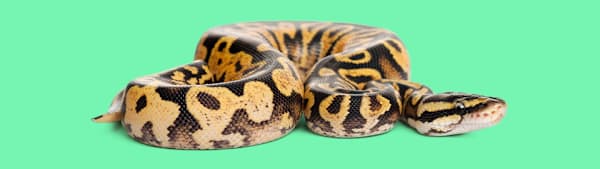
Scale Rot in Reptiles: Causes, Symptoms & Treatment
Search Petco for treatment for scale rot on your reptile. We can help you make sure your pet is always happy and healthy.
Updated on July 17th, 2026
- Care Sheets
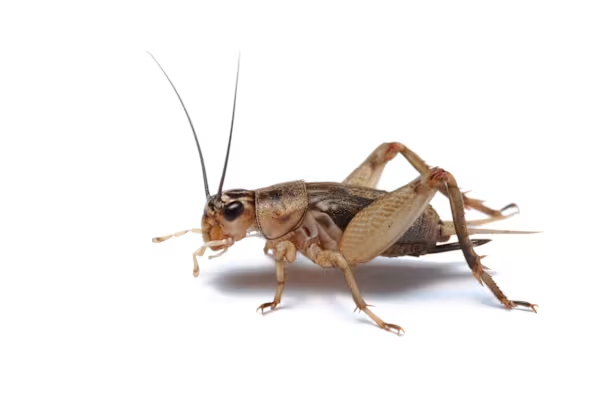
Cricket Care: Habitat, Feeding & Gut Loading Tips for Healthy Pets
Learn how to care for crickets, recommended diet & habitat setup. Find the right food, supplies & equipment at your neighborhood Petco.
Updated on April 9th, 2026
- Care Sheets
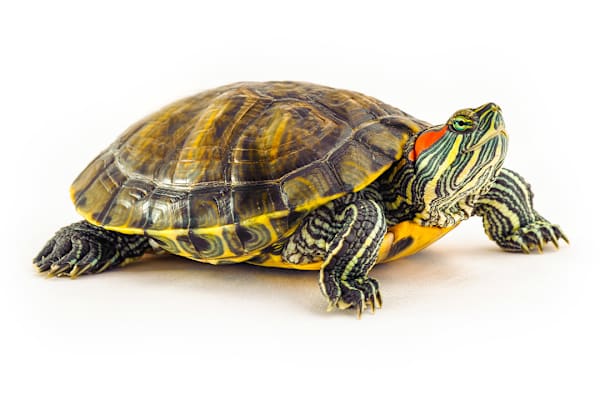
Aquatic Turtle Care: Tank, Food & Health for a Healthy Pet
Learn how to care for aquatic turtles available at Petco. Care Sheets provide you with essential info on how to best take care of these interesting pets.
Updated on July 26th, 2026
- Care Sheets
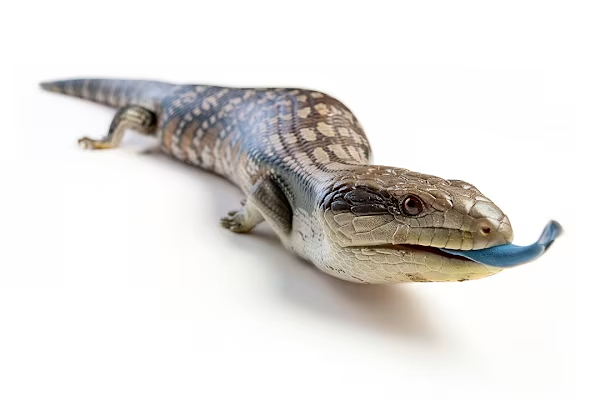
Tropical Skink Care: Habitat, Food, Health & Handling Guide
Learn how to care for Blue-Tongued Skink, recommended diet and habitat setup. Find the right food, supplies and equipment at your neighborhood Petco.
Updated on April 9th, 2026
- Food & Nutrition
My turtle only eats ReptoMin. What other foods and treats are safe?
Why change a working system? You are obviously doing very well in the way you keep your turtle. Since apparently your turtle is doing well, it is getting everything it needs with the Reptomin. You could try offering it leafy greens, freeze-dried shrimp or krill, crickets, superworms, rosy red minnows and even pinky mice as an occasional treat.
Updated on September 24th, 2025
- Food & Nutrition
My turtle's diet is dried shrimp. What should I feed for health?
Hello, & thank you for using Petco Pet Education Center, formerly Petcoach. Juvenile RES should receive commercial aquatic turtle pellets, supplemented occasionally with live fish (guppies, goldfish), & earthworms. Make sure she gets at least 15 minutes of natural sunlight weekly. Adults need 30% of diet to be the pellets & some protein like mentioned above. The krill can be offered on occasion. 70% of the diet needs to be plants in the form of chopped leafy greens, kale, romaine, mustard greens, dandelion greens, watercress, parsley, shredded carrot, frozen (thawed) mixed veggies & squash, & occasional fruit. Take care.
Updated on September 24th, 2025
- Food & Nutrition
What fish and supplies are best for a beginner's small tank?
Without anything to use for scale, it is hard for me to tell how big your tank is, but in general it seems very small. Also, the water that is in the tank appears very cloudy right now, so that would be the first place to start. Water quality is very important, and will make or break your ability to house and care for fish. I would recommend getting a good filter system (you can visit a local pet store to assist you with brands in your area, as I am not familiar with what you can get in India). Be sure to bring the measurements (height, length, width) of your tank, or the gallons or liters so they can tell you what capacity of filter you will need. Everything else will depend on what types of fish you get - if you plan on getting multiple fish, they will need to be small - a general rule of thumb is one square inch of fish per gallon of water. Depending on the species you get, you may need to also get a bubbler to ensure there is enough oxygen in the water for them, and you will also likely need to get some sort of substrate for the bottom and cage furniture (different species have different air requirements, and some are secretive and like to hide). You may also need a water heater, depending on the species you would like to house. But, depending on how small your tank is, it may be hard to get a water heater that will fit. The food type will also depend on what species you get, as there can be differences in diet type between species. I hope that gives you a place to start, and good luck!
Updated on September 24th, 2025
- Home & Habitat
Injured lizard care: food, lighting, and habitat setup tips?
It does appear to be of the takydromus species. These grass lizards are common and fairly easy to keep. Being adept climbers, more vertical space should be offered in an enclosure. Branches and vines can be placed for climbing. Bring reptiles, they need an external heat source and UVB lighting. Daytime temps can range from 24 C to 30 C (75-85 F). Provide a basking spot of around 35 C to 38 C (95-100 F) using a heat lamp. Aim for 70-80% humidity. Provide a shallow bowl for water. Mist the cage daily. Feed appropriately sized prey, no bigger than the space between the eyes, that have been gutload for 24 hours prior to offering. This will maximize nutritional value. Crickets, mealworms, dubia roaches, waxworms or wingless fruit flies can all be offered. Dust prey with a calcium supplement and a multivitamin supplement several times weekly. Ideally, the wound should be addressed by a veterinarian experienced in treating reptiles. You can clean it with dilute Betadine or chlorhexidine solution daily and monitor for redness, bleeding, lethargy or decreased appetite.
Updated on September 24th, 2025
- Food & Nutrition
What can I feed my tiny baby anole when crickets are too big to eat?
That's a good question, because you definitely risk Mushu choking if you feed these crickets. One option is small ants. These are safe to feed and are nutritious. It may take you having to dig-up your own prey and there should be various small bugs available in natural areas. I know natural areas may not be abundant in your area, but you should be able to find some exotic pet shops that can help you find some small bugs to feed Mushu. Below is a link to some more information that should be helpful. http://www.anapsid.org/anole.html I hope that helps and all goes well with Mushu.
Updated on September 24th, 2025