Two Easy Ways to Start Earning Rewards!
Become a member today! Members-only pricing and offers, personalized care notifications, Vital Care points back on every purchase and more!
 Become a credit card member today!
Earn 2X Pals Rewards points at Petco
when you use Petco Pay!APPLY NOWLearn More About Petco Pay Benefits
Cascade Aquarium Filters & Media


Related Searches
Related Articles & Questions
- Care Sheets
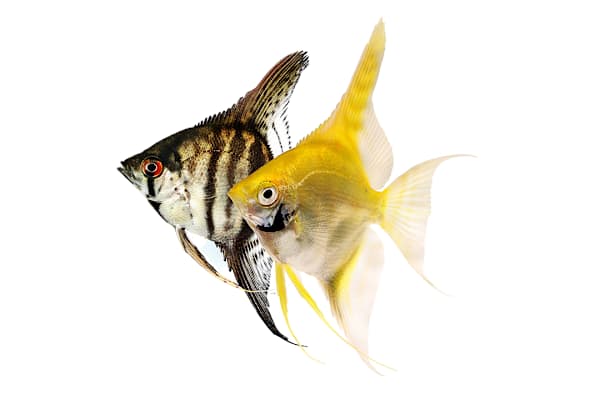
Freshwater Angelfish Care: Tank, Food, & Happy, Healthy Fish
Learn how to care for angelfish, recommended diet and aquarium setup. Find the right food, supplies and equipment at your neighborhood Petco.
Updated on April 9th, 2026
- Care Sheets
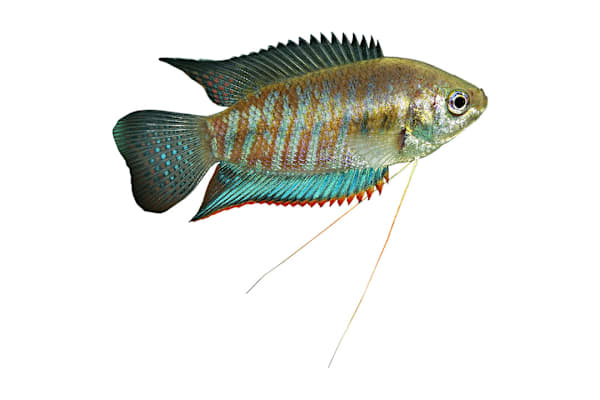
Paradise Fish Care: Complete Guide to Tank Size, Food, & Habitat Setup
Learn how to care for Paradise fish, recommended diet and aquarium setup. Find the right food, supplies and equipment at your neighborhood Petco.
Updated on April 9th, 2026
- Care Sheets
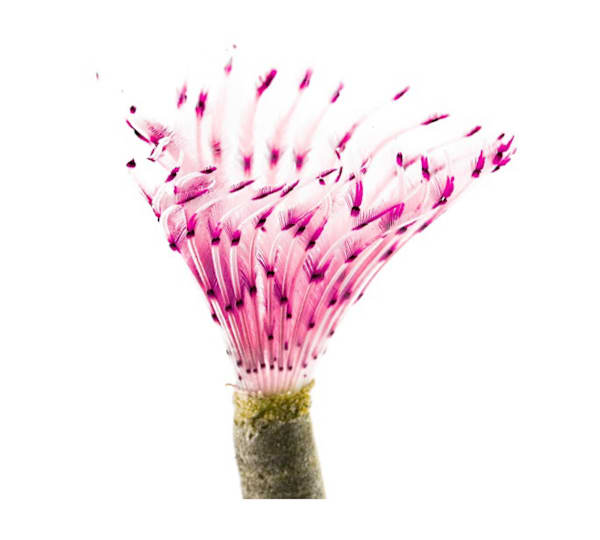
Keep Feather Dusters Thriving: Habitat, Diet, & Water Care Guide
Learn how to care for Feather Dusters. Find the right food, supplies & equipment at your neighborhood Petco.
Updated on April 9th, 2026
- Care Sheets
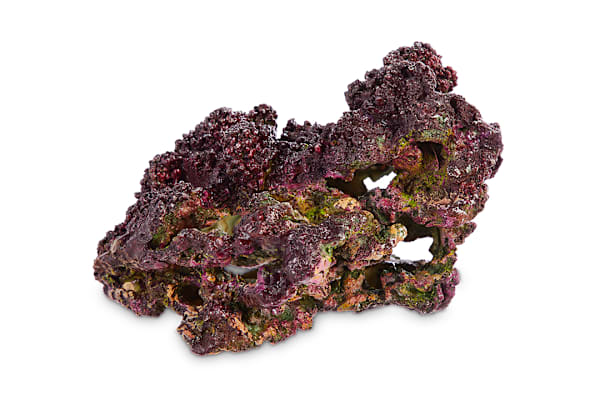
Live Rock & Sand: Setup, Curing, & Care for Thriving Reef Tanks
Learn how to care for live rock & sand. Live rock serves as a platform for coral and invertebrates and provides a surface for beneficial bacteria to live.
Updated on October 23rd, 2025
- Care Sheets
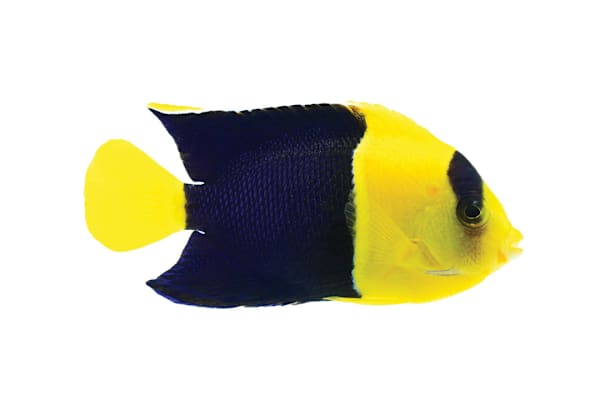
Dwarf Marine Angelfish Care: Tank Setup, Feeding & Compatibility
Learn how to take care of Dwarf Marine Angelfish, recommended diet and tank setup. Find the right food, supplies and equipment at your neighborhood Petco.
Updated on April 9th, 2026
- Vet Q & A
My fish filter has white specs. Is it mold or mineral deposits?
Thanks for reaching out about Corn and including photos. This could be mineral deposits but is difficult to tell in the photos. Mold usually does not grow below the water level as needs oxygen. Clean the filter well. A sample of the material can be acquired and a veterinarian might be able to help by examining under the microscope. Good luck.
Updated on September 24th, 2025
- Vet Q & A
What fish can I put in a 3-gallon tank, and how to change water?
The small size will limit the species of fish as well as the number. White Cloud Minnows or Guppies would do fine in a small tank. You could keep no more than 2 or 3 fish total. If you are looking for company for your Betta, the same species can be kept. Other options include Otocinclus (Otos), Corys, Platys or Harlequin Rasboras. Again, no more than one or two in addition to the Betta. Water changes for any tank are simple. Change no more than 30% total volume at a time. Use a water conditioner to remove harmful chemicals and make sure the water is temperature matched to prevent stress or shock. Rinse the filter in tank water, not tap water, to preserve beneficial bacteria. Vacuum the substrate every couple of weeks.
Updated on September 24th, 2025
- Health & Wellness
Why are my fish dying with pink and green algae in their tank?
Check the water chemistry using a home test kit or submit a water sample for testing. The local Petco may do this for free or for a small fee. Aim for an absence (0 ppm) of ammonia and nitrites with nitrates at 20ppm or less. Perform partial water changes to stabilize chemistry and/or to improve water quality. Rinse the filter media in tank water, not tap water, and replace it. Use only conditioned water that is temperature matched to prevent stress or shock. To limit algae growth, maintain pristine water quality via filtration and regular water changes. If possible, turn up filter flow to keep water moving. If this stresses the fish though, do not do it. Do not overfeed and remove any uneaten food promptly. Limit lighting to 8 hours daily and closely monitor water temperature as well. All these can promote algae overgrowth.
Updated on September 24th, 2025
- Vet Q & A
Is bottled bacteria the best way to quickly cycle a goldfish tank?
Hi and thanks for your request. To better control Nitrite and ammonia spikes it is best to cycle it for a month at least and measure nitrites, ammonia and nitrate constantly. Please follow the recommendations here below: The nitrogen cycle is the process of various bacteria converting harmful waste. It involves 4 steps: The first step is the decay of waste products of fish, plants, and invertebrates, along with any dead organisms or uneaten food. As these materials decay, ammonia is produced, which at even low levels will burn the gills of fish and choke off their oxygen supply. Bacteria called Nitrosomonas consume this ammonia and, in the process creating another chemical byproduct called nitrite. Although nitrite is toxic (preventing blood from carrying oxygen), fish can withstand roughly twice the amount of nitrite in their water when compared to ammonia. Next, other bacteria called Nitrobacter consume the nitrite and, in turn, release a less toxic chemical called nitrate. Nitrate requires anaerobic conditions to turn it into harmless nitrogen gas. The parameters needed to create this condition are not commonly present in most aquariums. Hence, water changes are necessary to dilute nitrate. The Nitrogen Cycle in New Aquariums Because new aquariums lack the colonies of bacteria that are necessary to provide biological filtration, the aquarium must be cycled. Cycling refers to the process of establishing and maturing the biological filter. Here's how it works: As the first fish in the new system begin to thrive, they produce ammonia. Without any Nitrosomonas colonies established to consume this toxin, levels climb and spike until the ammonia-loving bacteria population catches up. This phenomena can be observed by the naked eye as a sudden and temporary appearance of wispy, smoke-like cloudy aquarium water Ammonia levels then start to decline once the rate of ammonia production is less than the rate at which it is broken down by the bacteria. Nitrite goes through a very similar spike. Nitrite is produced through the biological activities of Nitrosomonas as they consume ammonia. As their numbers increase, so does the amount of nitrite, and in turn the population of nitrite-hungry Nitrobacter will begin booming from the abundance of nutrients. Nitrite levels will rise until the number of bacteria has increased to the point at which they break down the nitrite faster than it is being produced. The end product of this whole process is nitrate. Nitrate, in low concentrations, is not as toxic to fish and invertebrates, but can cause other problems in the aquarium. The best way to control nitrate is through regular partial water changes. Typically, new aquariums can be cycled in 2 to 6 weeks, but the actual length of time depends on many factors. Use a quality test kit to test your water conditions every other day, and when both ammonia and nitrite levels return to zero, you'll know the cycle is established.
Updated on September 24th, 2025
- Food & Nutrition
My fish has white growth in its mouth and can't eat. Is it Columnaris?
It could be Columnaris, aka cottonmouth. It looks like a fungal infection but is actually an infection caused by a gram negative bacteria. You can treat with kanamycin and nitrofuran. Both are antibiotics effective against this bacteria. Brand names are Kanaplex (by SeaChem) and Furan 2 (by API). You can find them online or in the aquarium section of the local Petco. Follow label directions carefully and remove the carbon filter insert during treatment if necessary. You will likely need to treat the entire tank since more than one fish is symptomatic.
Updated on September 24th, 2025