Two Easy Ways to Start Earning Rewards!
Become a member today! Members-only pricing and offers, personalized care notifications, Vital Care points back on every purchase and more!
 Become a credit card member today!
Earn 2X Pals Rewards points at Petco
when you use Petco Pay!APPLY NOWLearn More About Petco Pay Benefits
Brilliant Backgrounds Fish
Get It Today


Related Articles & Questions
- Care Sheets
Aquatic Pet Safety: Keep Your Home Aquarium Pets Healthy & Safe
Learn how to safely handle your aquatic life to avoid toxin & bacterial exposure. Find aquatic life care supplies at your neighborhood Petco pet care center.
Updated on October 23rd, 2025
- Care Sheets
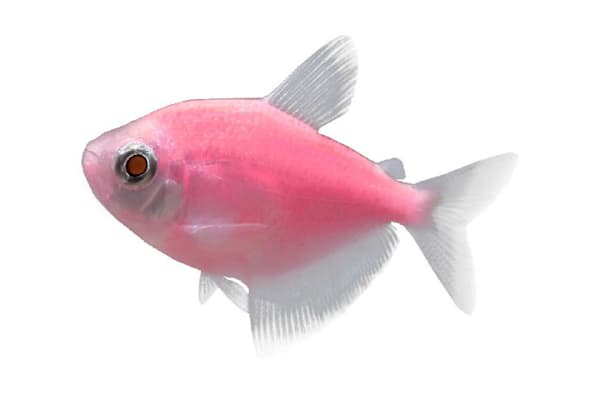
GloFish Care Guide: Tank, Food, & Compatibility for Thriving Fish
GloFish are brilliantly colored and beautiful fish. Learn how to care for GloFish, what to feed them, how long they live, their ideal tank size and more.
Updated on April 9th, 2026
- Care Sheets
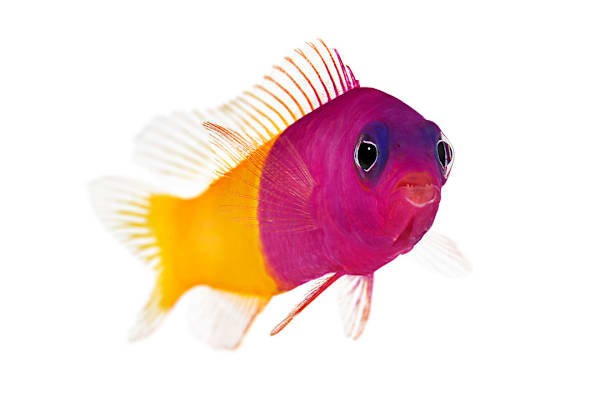
Master Small Marine Fish Care: Tank Setup, Food, & Compatibility Guide
Small Marine Fish are favorites with marine aquarists and includes a wide range of species.
Updated on April 9th, 2026
- Care Sheets
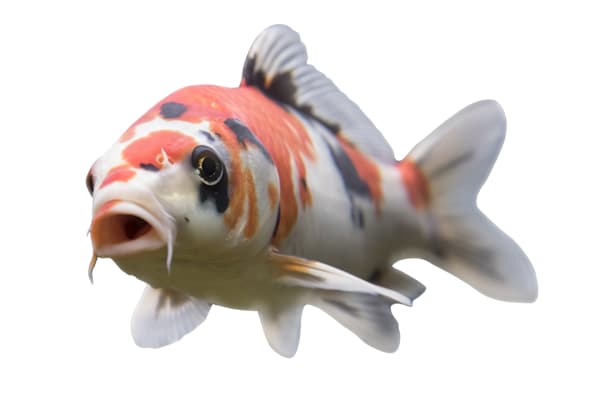
Mastering Koi Care: Optimal Tank, Food, Water Quality & Health Tips
Learn how to care for a Koi, recommended diet and aquarium setup. Find Koi for sale, supplies and equipment at your neighborhood Petco.
Updated on April 9th, 2026
- Care Sheets
Brackish Water Fish Care: Your Complete Guide to Tank, Food & Species
Learn how to care for brackish water fish, recommended diet & aquarium setup. Find the right food, supplies & equipment at your neighborhood Petco.
Updated on April 9th, 2026
- Health & Wellness
What is this aquarium plant? Is my fish tank setup safe and healthy?
Thanks for reaching out about your aquarium. Sorry not very good at botany but there should be tropical fish clubs that might help in identification. But comments about your tank. First, not sure if light penetration will be good for a plant that low in the water column. Secondly, the balanced rock formation looks tenuous, and might fall. Good luck.
Updated on September 24th, 2025
- Vet Q & A
Why are my fish dying with bleeding, white spots, and polluted water?
I'm sorry you are having difficulties with your aquarium. There are several issues that should be dealt with right now. They are water chemistry, aquarium size and choice/number of fish. Any new aquarium should be set up and, ideally, run empty for several weeks (usually 4-6 weeks). This is so beneficial bacteria have an opportunity to populate the substrate and filter. These bacteria are necessary to break down wastes that fish will produce. The technical phrase for this is "establishing the Nitrogen cycle". These bacteria will break down wastes into ammonia then nitrites then nitrates. Nitrates can then dissipate or be absorbed/used by live plants. In high enough concentrations, ammonia and nitrites are toxic and can kill fish. Cycling a tank with fish is possible but it increases the risk of loss. Water chemistry should be checked every few days using a liquid home test kit. A water sample can be submitted for testing , but is not as convenient as testing yourself. Most pet stores or fish stores will do this for free or for a small fee. Partial water changes, no more than 30%, can be done as needed to stabilize chemistry and maintain water quality. Choices for water conditioners include NovAqua, AmQuel Plus, Prime, StressZyme or StressCoat. Tank size is another concern. With most fish, the widely accepted "one inch of fish per gallon" will be sufficient. For koi and other carp species, including goldfish, the rule is not sufficient. At full size, goldfish need 20 gallons per fish with an additional 10 gallons for each additional fish. Koi do best in larger tanks, much larger...we're talking in the hundreds of gallons or small ponds. These species produce a larger than average bio-load (wastes) that can quickly affect water quality in a tank. To combat this, large water volumes and powerful filtration are required. Any filter should be rated for at least twice the tank volume. I'm not sure what size tank you have now, it may be fine if the fish are young and small, but they will quickly outgrow it. The last issue is choice of fish. Koi and goldfish are cold water fish. They do best in water between 65F and 72F. Most species of sharks do best in the high 70sF to low 80sF. Keeping fish in incorrect water temperatures will lead to stress and illness. This could be compounded by the water quality/chemistry issues you are having currently. Until the chemistry is stable and water quality is maintained, your fish will continue to become ill and possibly die. Any treatment will not be successful in this situation. Do not purchase or add any more fish until the tank has cycled. If you have additional questions, you can post them in the forum or request a consultation to discuss the case in greater depth.
Updated on September 24th, 2025
- Health & Wellness
How to make my red and yellow parrot fish colors brighter and less shy?
Food, genetics and stress can all affect colors. There are color enhancing diets that you can buy. Maintaining pristine water quality and stable chemistry will limit stress. If the fish has muted colors due to genetics, there is nothing to be done. As far as being "shy", this can be due to anything that is stressful or potential illness or injury. This would require and exam to diagnose.
Updated on September 24th, 2025
- Health & Wellness
Why is my cichlid fish faded, breathing heavy, but still eating?
Hi, and thanks for your question. This is a quite generic presentation and a logic approach is needed. Begin by submitting a water sample for quality testing. Most pet stores will do this for free or a nominal fee. Clinical examination should always include a water quality check, even if you have done so already. Water testing should be performed with a quality test kit, measuring NH4, NO2 and NO3. High ammonia levels, PH imbalances may be responsible for these signs. Oxygen concentration and quality of the filters should be determined as well. If water quality is good and there are no major imbalances, your fish should get examined to look for any sign of bacterial/fungal infection and eventually water should be treated. Hope this answer was helpful, but please do not hesitate to contact us again on the forum or by requesting a consultation if you have any more questions or to discuss it any further. If this answer was helpful please let us know, this will be used to improve our service!
Updated on September 24th, 2025
- Vet Q & A
20-gallon tank setup: What fish and supplies do I need to get started?
A fish tank will need a filter, a light/hood and a heater. Make sure the filter is rated for at least twice the tank volume. The heater should be adjustable since water temperature will depend on the species of fish. Good "starter" fish include Tetras, Mollies, Danios or Tetras. A new tank should be set up and left running empty for several weeks before adding fish. A pinch of flake food can be sprinkled in daily. This "cycling" will allow a population of beneficial bacteria to colonize the tank and filter. These bacteria will break down wastes (ammonia, nitrites and nitrates) which are toxic to fish.
Updated on September 24th, 2025