Two Easy Ways to Start Earning Rewards!
Earn 2X Pals Rewards points at Petco
when you use Petco Pay!
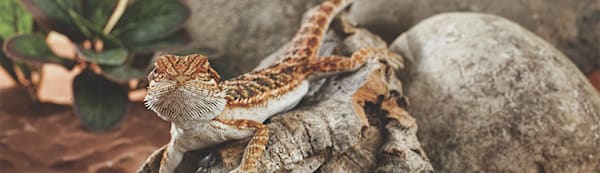
Learn how to setup your reptiles terrarium to ensure your reptile lives a wholesome & happy life. Shop at your local Petco for all reptile terrarium needs.
Updated on July 17th, 2026
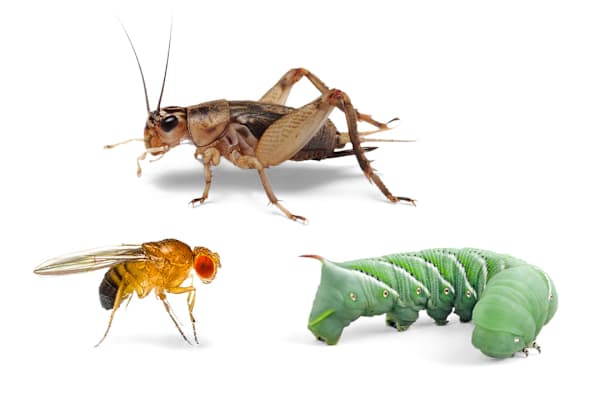
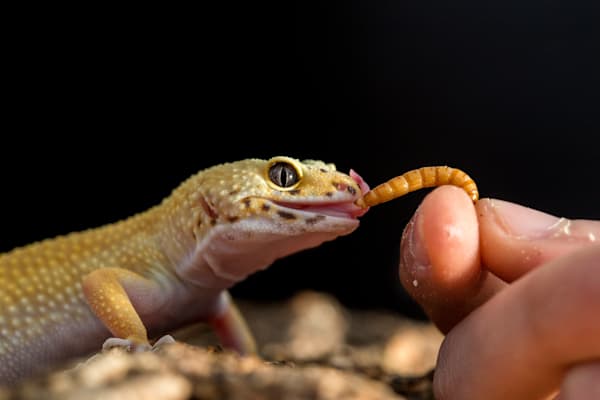
Learn about live insects for reptile feeding, recommended diet & habitat setup. Find the right food, supplies & equipment at your neighborhood Petco.
Updated on April 9th, 2026
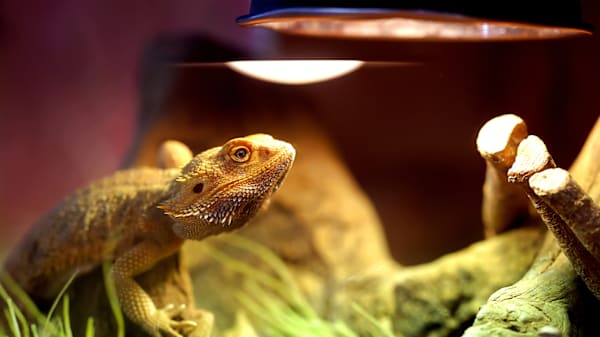
Learn the importance of UVB light for your reptiles and the right reptile lights for your pet’s habitat.
Updated on July 17th, 2026
When it comes to reptile habitats, one of the most essential elements to creating a happy home for your pet is including the appropriate type of lighting. Zoo Med helps outline which lights are right for your pet.
Updated on July 17th, 2026
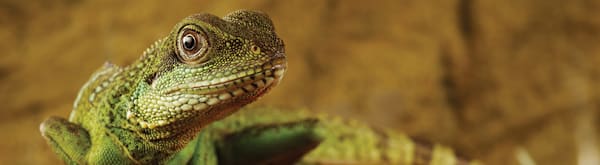
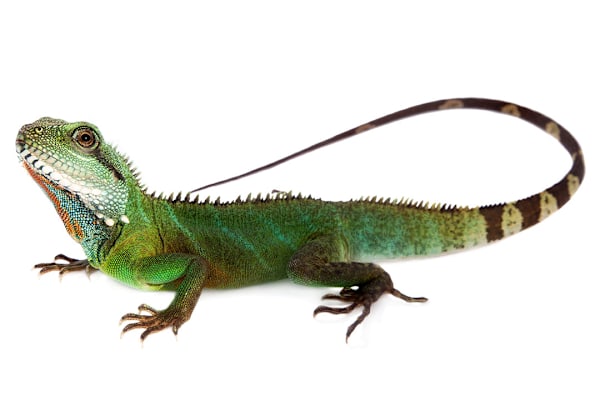
Learn how to care for tropical lizards, recommended diet & habitat setup. Find the right food, supplies & equipment at your neighborhood Petco.
Updated on April 9th, 2026
Choose the largest cage your space and budget will allow. At minimum, a 55 gallon enclosure should be considered. Acceptable substrates include slate, reptile carpet, decomposed granite or large gravel. Yes, setting up a bio-active environment for beardies is possible. It will take a bit of research and effort to get it right.
Updated on September 24th, 2025
You must treat both the environment and the pet. You can try some over the counter products but many can be ineffective if the environment is not treated concurrently. Ivermectin can be dispensed by your veterinarian to use systemically or topically. Do not treat with ivermectin without the advice of your veterinarian as it is quite easy to overdose. A 30 minute soak in a diluted Betadine bath can remove most mites and may soothe irritated skin. Remove the substrate, bag it and take it outdoors. Clean and sanitize the cage, bowls and tank furniture. You can use hot, soapy water followed by a 1:30 dilution of bleach and water followed by a thorough rinsing on the tank, bowls and non porous surfaces. Discard anything that cannot be sanitized. You may need to clean and sanitize the enclosure weekly for several weeks. The pet may need multiple treatments as well.
Updated on September 24th, 2025
Use a background to block his view. This may prevent glass surfing or nose rubbing as well as provide more privacy/security. Again, check the temps in his enclosure to make sure it is species appropriate. Offer a variety of crickets, mealworms, dubia roaches, silkworms and wax worms. Gut load prey for 24 hours prior to offering. Dust appropriately with vitamins and minerals regularly. He may also benefit from a soak in a warm 50/50 solution of water and unflavored PediaLyte. If his appetite does not return after adjustments to environment and diet, have him examined by your veterinarian or a vet experienced in treating reptiles. Submit a stool sample to diagnose intestinal parasites or bacterial overgrowth.
Updated on September 24th, 2025
It is too small to be used for much beyond transport, quarantine or temporary housing (i.e. during cleaning of main enclosure). The plastic construction does not allow for light or heat sources which most reptiles or exotic pets require.
Updated on September 24th, 2025
Thanks for using PetCoach! Here is a link of a good example of a good environment for an aquatic turtle though there is going to be some variation depending on the species. Have a good night! https://www.myturtlecam.com/habitat.php
Updated on September 24th, 2025