Two Easy Ways to Start Earning Rewards!
Earn 2X Pals Rewards points at Petco
when you use Petco Pay!

Small, AKA “Nano” tanks have grown in popularity over the past couple years and continue to gain momentum. Find out if a mini aquarium is right for you.
Updated on July 17th, 2026
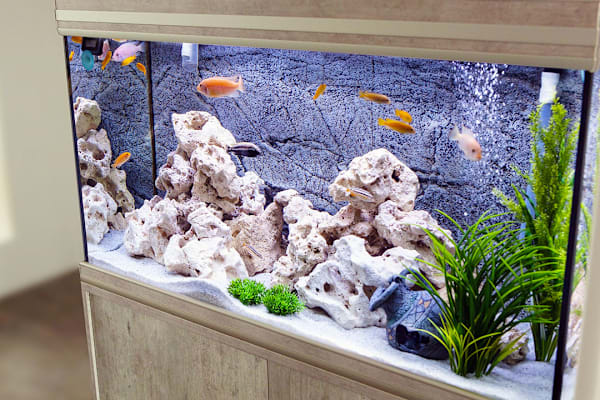
Learn how to test your aquarium water. Poor water quality stresses fish, which leaves them susceptible to disease and possibly death.
Updated on October 23rd, 2025
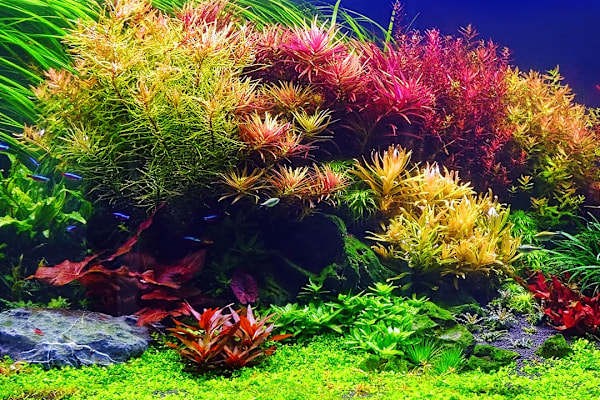
Tanks with live plants can be excellent additions to your home, bringing a touch of nature indoors. There are many varieties of beginner-friendly plants to build your planted aquatic environment. Learn how to build & care for a planted tank.
Updated on October 23rd, 2025
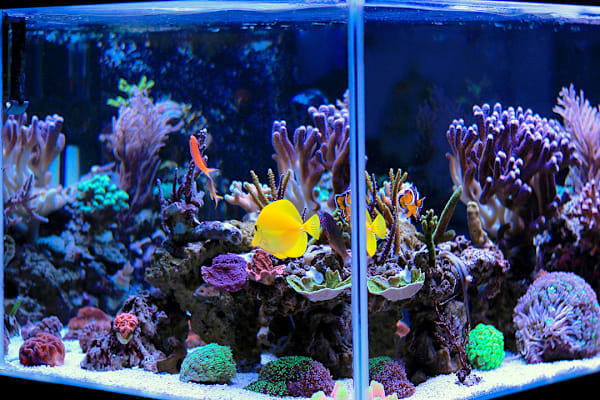
Learn how to set up a saltwater fish tank and key considerations regarding placement, supplies needed, and the overall set up process.
Updated on October 23rd, 2025
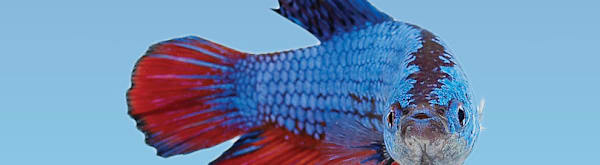
If you’re thinking of adding a betta fish to your family, learn a few fun facts about these underwater wonders.
Updated on July 17th, 2026
You should contact by email the administrators of the website (you can find general email on the contact section) and they put you in touch with the Head Vet in charge of hiring new experts. Best of luck and hope to see you joining the team soon. Dr. Orioles
Updated on September 24th, 2025
Here is a helpful link: https://www.aqueon.com/information/care-sheets/goldfish Your local aquarium store will likely carry a powdered product to add to the water to increase the pH. The package will have dosing instructions. I hope this helps and please feel free to post any additional questions.
Updated on September 24th, 2025
It is very difficult to get a good biotope in a just 1 foot long tank unless it is a few feet high. You will not be able to keep fish in it, only invertebrates, maybe a few shrimp or sea anemones. It is much harder to keep the water healthy in a small tank,and the appliances needed for running a salt water aquarium cost pretty much the same (if available) as appliances for a larger tank. I suggest you join a club of salt water aquarists who will be able to start you off perfectly. Your local fish/pet shop should be able to point you to a club.
Updated on September 24th, 2025
Thanks for reaching out about your tank. Long plastic plants that extend from the bottom, all the way to the top can providing hiding spaces to decrease any territoriality or aggression. Live plants might be susceptible to the snails, depending on their type. Good luck.
Updated on September 24th, 2025
Check the water chemistry and quality first. Elevated ammonia or nitrite levels can be toxic. Partial water changes can be done to stabilize and improve water chemistry. Use only aged or conditioned water that is temperature matched to prevent further stress or shock. For goldfish, a range of 65F to 72F is recommended. Check the filter and rinse the sponge with tank water, not tap water, to spare beneficial bacterial populations and to maintain water quality. The tank may not be large enough to support 5 goldfish. Generally, 20 gallons should be allowed for the first goldfish then a 10 additional gallons should be provided for each additional goldfish. This is due to the larger than average bio load (wastes) they produce. Consider a larger tank or decrease the number of fish in one tank. Use a filter that is rated for at least twice the volume of the tank and add an airstone and pump for increased oxygenation. Plain aquarium salt (NOT table salt). Can be used as a general tonic. It will reduce stress, improve gill function, aid in any recovery and may treat or prevent minor infection. Dissolve 1 teaspoon of salt per gallon of water in a cup of tank water and gently pour it into the tank. Treat for 10-14 days. When performing water changes, add salt only to the amount of water being replaced, not the entire tank volume.
Updated on September 24th, 2025