


Two Easy Ways to Start Earning Rewards!
Become a member today! Members-only pricing and offers, personalized care notifications, Vital Care points back on every purchase and more!
 Become a credit card member today!
Earn 2X Pals Rewards points at Petco
when you use Petco Pay!APPLY NOWLearn More About Petco Pay Benefits
Vetmedin






Related Searches
Vetmedin
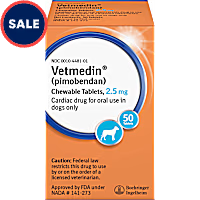
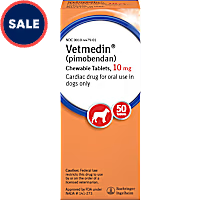
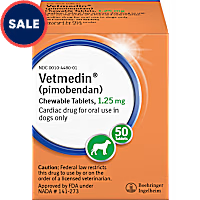
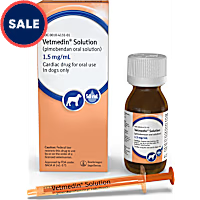
Vetmedin for dogs falls in the category of heart and blood pressure medication. It’s an extremely important medication for dogs with congestive heart failure due to myxomatous mitral valve disease—a degeneration of the heart valves—or dilated cardiomyopathy—which means a weak heart muscle. Vetmedin is a powerful drug only used in dogs with clinical evidence of heart failure and must be prescribed by your veterinarian.
One of the most common questions pet parents have about this heart drug is, “What’s the difference between pimobendan vs. Vetmedin?” The answer is that pimobendan is the active ingredient in Vetmedin and several other brand-name medications. The elements holding the tablet or chew together may be different, and each brand may come in different dosages, so be sure to talk to your veterinarian about what’s right for your pup.
Although Vetmedin capsules are available extra-label, it is only FDA-approved in chewable tablet form and is most commonly prescribed in this form. The chewable tablets are available in 1.25, 2.5, 5 and 10 milligrams. Your veterinarian will determine the right Vetmedin for dogs dosage, but it is typically 0.23 milligrams per pound of body weight per day, divided into two doses given about 12 hours apart. It should be given on an empty stomach to be most effective.
Vetmedin shouldn’t be given to dogs with certain heart conditions, like aortic stenosis and hypertrophic cardiomyopathy, and should be used with caution if your pup has diabetes, heart rhythm issues or congenital heart defects. Always provide your veterinarian with a full medical history before starting Vetmedin, including any other medications your dog takes and any previous adverse reactions they have had.
Frequently Asked Questions
-
Vetmedin and other pimobendan-based medications are often a critical piece of the care regimen for dogs in congestive heart failure. It can help relieve their symptoms—such as coughing and excessive panting—making them more comfortable and improving their quality of life. It can be given over the long-term, and your pup may be on it for the rest of their life once they begin. Talk to your veterinarian if you want to stop administering Vetmedin, as it will need to be tapered off.
-
Vetmedin is a vasodilator—meaning it opens the blood vessels by preventing the muscles in the arteries and veins from tightening. This allows blood to flow more easily and the heart to pump stronger, reducing the blood pressure and helping deliver blood throughout the body. That’s why it should not be used in dogs who already have low blood pressure or certain other conditions.
-
The most common side effects of Vetmedin include diarrhea, lack of appetite, weakness and lethargy. More serious side effects can include excessive bleeding or bruising, racing heartbeat, collapse, trouble breathing, bloating, jaundice and rash. Contact your veterinarian if you notice any of these signs.