


Two Easy Ways to Start Earning Rewards!
Become a member today! Members-only pricing and offers, personalized care notifications, Vital Care points back on every purchase and more!
 Become a credit card member today!
Earn 2X Pals Rewards points at Petco
when you use Petco Pay!APPLY NOWLearn More About Petco Pay Benefits

Table of Contents
Regular health checks are a key component in your pet’s overall well-being, and these should include an often-overlooked area of your dog or cat: their teeth. Proper care can help keep your pet’s mouth in good shape, but as some breeds are prone to dental problems, sometimes pet dental surgery is simply unavoidable. Since oral and dental health can significantly affect your pet’s wellness, it’s important to understand the effect dental care can have on your pet—and why it’s crucial to turn to a trusted source when your pet needs dental services.
Figuring out what services your pet needs is important, but you may have additional questions. You can find some answers in our guide, Dental Care: What to Include in a Complete Program.
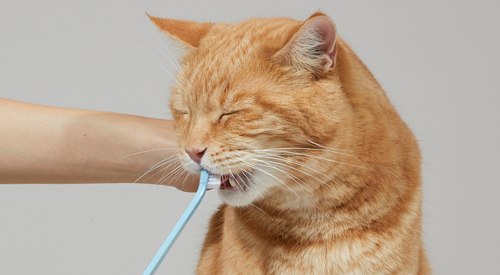
Why is dental health important?
Dental health is key to your pet’s quality of life and overall wellness. Health issues that begin in the mouth are often serious enough on their own, but they can also lead to other, more widespread health issues. Dental problems can also result from health issues originating elsewhere in your pet’s body. Finally, dental health issues can cause hidden pain and lead to behavioral problems in your pet that may not have an obvious cause at first glance.
For all these reasons, prescribed dental surgery for dogs and cats can have a significant positive effect on your pet’s life. At-home dental care, regularly scheduled veterinary dental appointments and surgical interventions can help diagnose, treat or prevent serious issues that might otherwise threaten your pet’s health—or even their life.
Check out these 11 Pet Dental Facts you may not know yet.
Clinical symptoms of dental health issues
Whether your pet is at their veterinarian for a routine dental checkup or because you’ve noticed signs that could point to a dental health issue, your veterinarian will look for clinical signs of a problem. Symptoms your veterinarian may check for include the following:
- Halitosis (bad breath)
- Visibly broken teeth
- Loose teeth
- Retained baby teeth
- Discolored teeth
- Visibly heavy tartar on teeth
You may also notice some of these symptoms at home. If you or your veterinarian detect any of these signs, your vet may recommend animal dental care and oral surgery options such as deep cleaning and tooth extraction.
What is veterinary dentistry?
Like their pet parents, cats and dogs have dental care needs that can be met by the right health care professional. For your pet’s dental surgery, the right professional is your local veterinarian or a board-certified veterinary dentist, depending on the nature of the concern. Veterinary dentistry can include procedures like the following.
- Dental cleaning
- Removal of retained baby teeth
- Adjustments
- Filing
- Extractions
- Repairs
- Gum health treatments
Your veterinarian can answer questions about which services your cat or dog needs.
What Dental Care Plan is Right for Your Dog or Cat? Use our chart to help you decide.
When to take your pet to their veterinarian
At a minimum, you should take your pet to the veterinarian once or twice yearly for health checks, including an oral examination. If you notice any symptoms listed below, schedule an appointment with your veterinarian—even if your pet just had a cleaning. Your pet may need to see a vet for canine or feline dental surgery as soon as possible if they are displaying any of the following signs:
- Abnormal chewing
- Drooling
- Dropping food out of their mouth
- Reduced appetite or refusal to eat
- Pain in or around their mouth
- Bleeding from their mouth
- Swelling around or inside their mouth
- Behavior changes such as restlessness or aggression
What dental problems require surgery?
Various situations can potentially lead to the need for feline or canine dental surgery.
Periodontal disease
This is the most common pet dental health concern, and severe cases can require dental surgery.
Broken teeth and roots
Damaged teeth may need to be removed to prevent pain and infection.
Abscesses or infected teeth
Dental surgery for cats or dogs may be required to clean or drain an abscess or infection in your pet’s mouth.
Cysts or tumors in the mouth
Even when they are not cancerous, tumors and cysts can become uncomfortable or interfere with your pet’s ability to eat normally.
Broken or fractured jaws
Your veterinarian may need to repair damage to your pet’s jawbone surgically.
Palate defects
Cleft palates and other physical abnormalities that could interfere with the quality of your pet’s life may require surgery.
Malocclusion
This condition is a misalignment of the teeth and bite—it can make eating difficult for your pet and may need to be surgically corrected.
What will happen on surgery day?
Your pet’s dental surgery is coming up, so what can you both expect? General anesthesia will be used on surgery day to keep your pet comfortable and safe during the procedure. Afterward, your pet will likely spend some time under observation at the veterinary clinic while they recover from the procedure and the anesthesia they received. Once they’re ready to go home, your veterinarian will give you instructions for their postoperative care.
Postoperative care
After pet dental surgery, your dog or cat might feel sensitive or disoriented. Prepare a recovery area for your pet at home that’s away from other pets and people. It should feel secure, quiet and comfortable for your pet. Your cat or dog may need 24 to 48 hours to recover fully from the anesthesia they received during their procedure. During this time, they may seem tired and have a low appetite. Your veterinarian will probably recommend small soft meals that are easy to eat while your pet is recovering.
Depending on the nature of the oral surgery your pet has received, they may be sent home with medications for pain relief or antibiotics to prevent infection. Your vet will probably schedule a postoperative checkup following the surgery to see how your pet is progressing. And remember that you can ask your veterinarian any questions you might have about the best ways to support your pet as they heal from surgery.
Possible oral surgery complications
In many cases, dental surgery for cats and dogs is a beneficial procedure that helps to prevent, treat or correct potentially serious dental issues. However, every surgery—human or pet—has risks such as the following:
- Retained tooth roots
- Reopening wounds or improper wound healing
- Bleeding
If your pet is experiencing complications following pet dental surgery, here are some signs they may exhibit:
- Refusal to eat hard foods
- Dropping food while trying to eat
- Hypersalivation or drooling
- Halitosis, or extremely bad breath
- Pawing at their face or rubbing their face against objects and surfaces
Contact your veterinarian immediately if you’re concerned that your pet isn’t recovering from the anesthesia or if you suspect that they are experiencing a surgical complication. Your veterinarian can assess whether your pet is exhibiting normal postoperative behaviors or if something more serious is happening.