


Two Easy Ways to Start Earning Rewards!
Become a member today! Members-only pricing and offers, personalized care notifications, Vital Care points back on every purchase and more!
 Become a credit card member today!
Earn 2X Pals Rewards points at Petco
when you use Petco Pay!APPLY NOWLearn More About Petco Pay Benefits
Sulfasalazine for Dogs & Cats: IBD, Colitis & Gut Inflammation
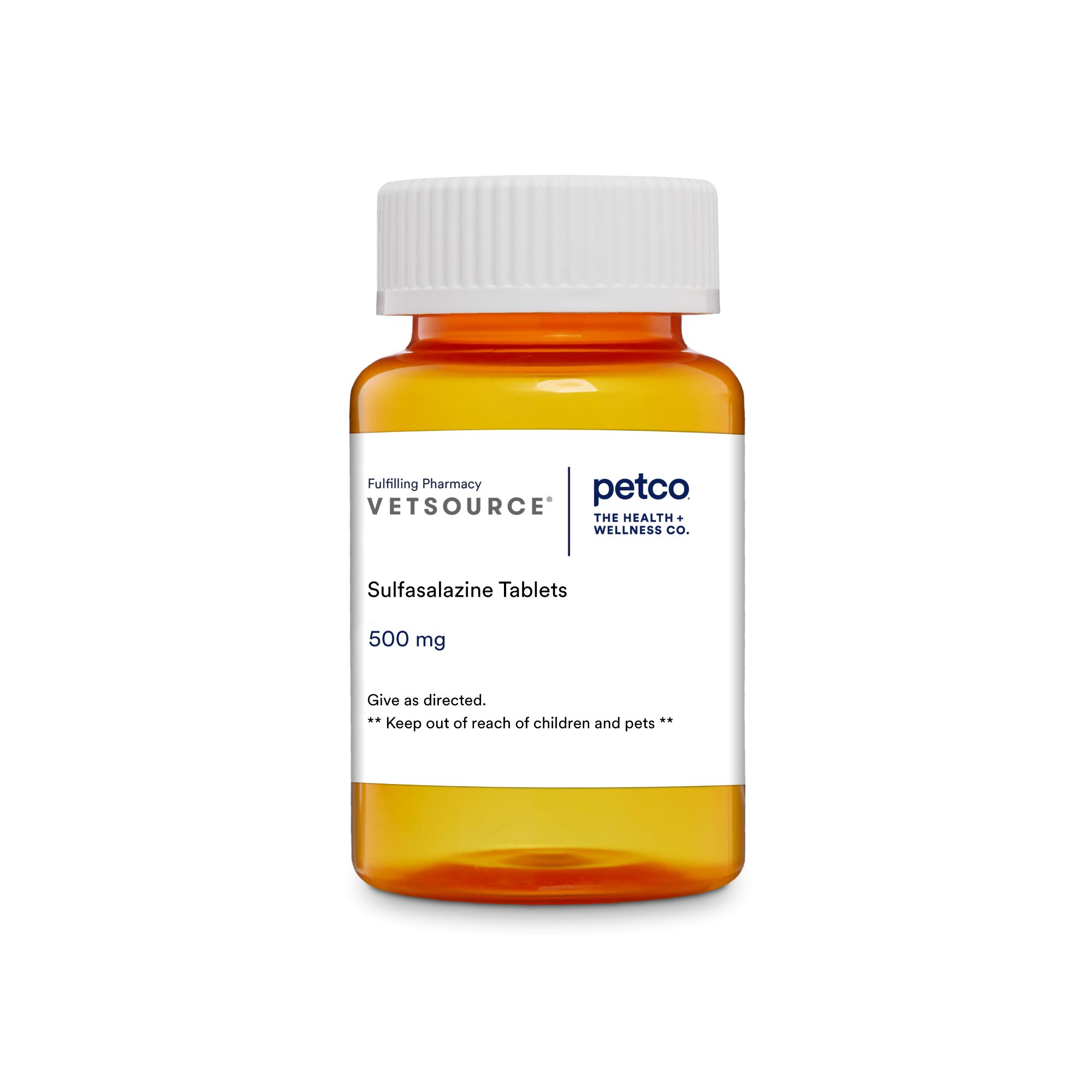 SULFASALAZINE 500 MG, 100 TABLETS
View Details
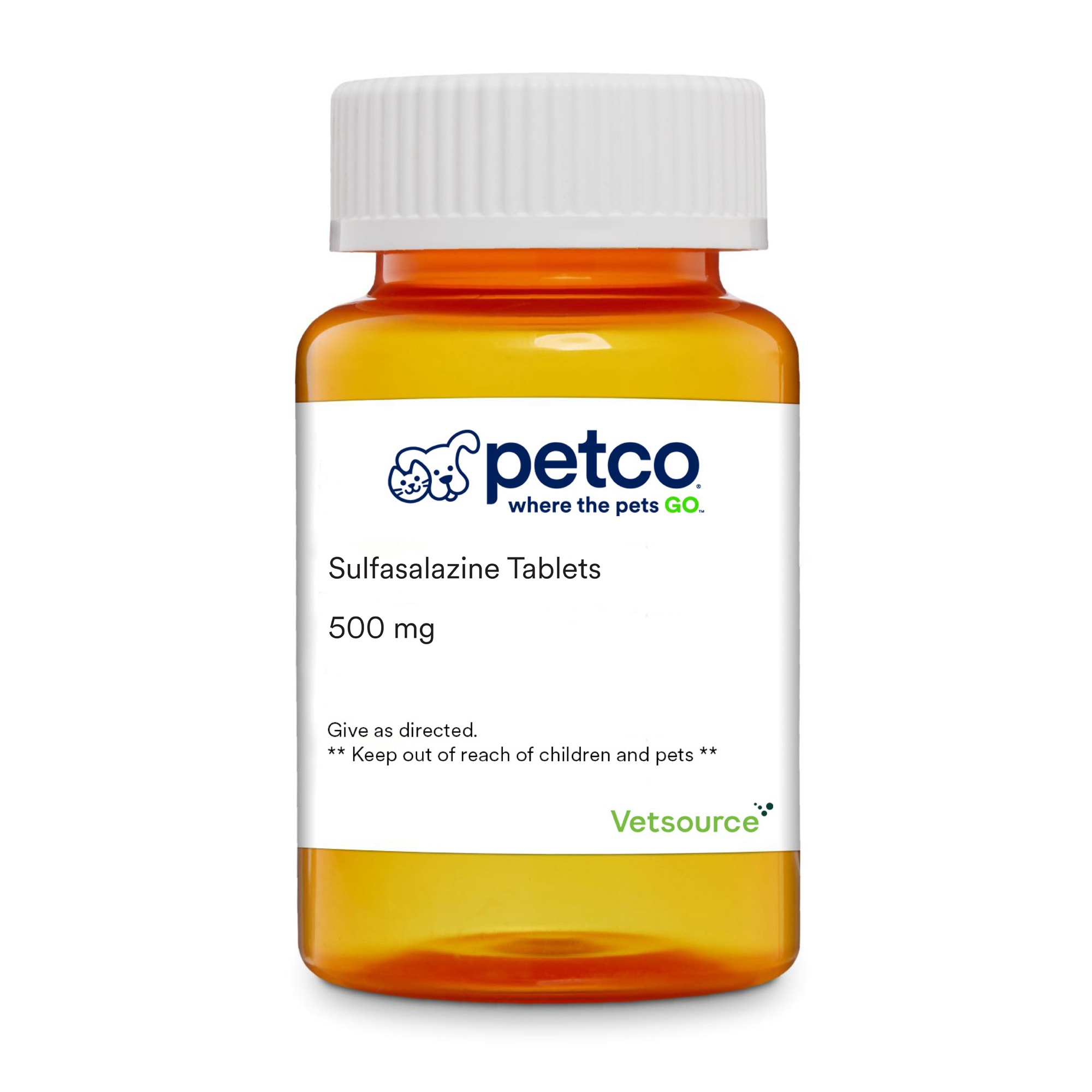 Sulfasalazine Tablets (Generic) 500 mg, 100 Count
View Details
 Hill's Prescription Diet Gastrointestinal Biome Stress Digestive Care Chicken & Vegetable Stew Cat Food, 2.9 oz., Case of 24
View Details
 Merrick Backcountry Grain Free Real Beef Dinner Wet Dog Food, 12.7 oz., Case of 12
View Details
 Blue Buffalo Health Bars Oven-Baked with Natural Ingredients Bacon, Egg & Cheese, Crunchy Dog Biscuits, 16 oz.
View Details
Sulfasalazine is a medication used in dogs and cats to decrease inflammation in the gastrointestinal tract.
Summary
Used For:
Inflammation of the bowel in dogs, cats and other pets
Brands:
Azulfidine
Species:
Dogs and cats
Other names:
Drug type:
Anti-inflammatory and antibiotic properties
Prescription required:
Yes
Pregnancy and lactation:
Not safe for use in pregnant or lactating animals.
Side effects:
Depression, GI upset, pale gums, bleeding tendencies, fever, jaundice
General description
Sulfasalazine is used to treat inflammation of the bowel in dogs, cats and other pets. It can also be used in combination with other medications to treat susceptible infections in animals.
Buy Sulfasalazine now on Petco. A prescription from your veterinarian is needed to purchase.
Uses
Inflammation of the gastrointestinal tract
How it works
Sulfasalazine reduces the number of chemicals produced in the body that create inflammation.
Dosage
Dogs: 15-30 milligrams per kilogram of body weight given orally every 8-12 hours not to exceed a daily dose of 6 grams.
Forms
500 milligram tablets are available
Storage information & handling
Tablets: keep dry and out of direct sunlight.
What results can I expect?
Animals with gastrointestinal inflammation should have some relief after the first dose is given; it may take several days to weeks to achieve full resolution of symptoms.
Missed Dosage
A missed dose should be given as soon as possible, but do not give your pet two doses at the same time.
Overdose / acute toxicity
Side effects will be more severe with an overdose.
Side effects
May include:
- Depression
- Vomiting
- Loss of appetite
- Pale gums
- Tiredness
- Bleeding tendencies
- Fever
- Increased thirst or urination
- Skin rashes
- Itchiness
- Jaundice (yellowing of the gums, skin or whites of the eyes)
- Increased rate of breathing
- Weakness
- Confusion
- Seizures
- Facial swelling
Contraindications
*Do not use in animals with liver disease or a known hypersensitivity.
*Do not use in pregnant animals.
Drug interactions
Sulfasalazine should not used in combination with warfarin, dapsone, etodolac or folic acid. Use in conjunction with other NSAIDs has increased risk of bleeding and other side effects.
Precaution
Keratoconjunctivitis sicca (KCS, dry eye) may occur with long-term use of sulfasalazine, especially in dogs. Stop giving the medication and consult your veterinarian if your pet experiences discharge from the eye, redness of the eye, squinting or other eye conditions.
Sources
Saunders Handbook of Veterinary Drugs
Disclaimer
The information contained on this page is for educational purposes only. This medication should only be given under the advice of a veterinarian who has examined your pet under the laws applicable to your state of residence.