


Two Easy Ways to Start Earning Rewards!
Become a member today! Members-only pricing and offers, personalized care notifications, Vital Care points back on every purchase and more!
 Become a credit card member today!
Earn 2X Pals Rewards points at Petco
when you use Petco Pay!APPLY NOWLearn More About Petco Pay Benefits
Fluoxetine for Dogs & Cats: Manage Anxiety, Behavior, Urine Marking
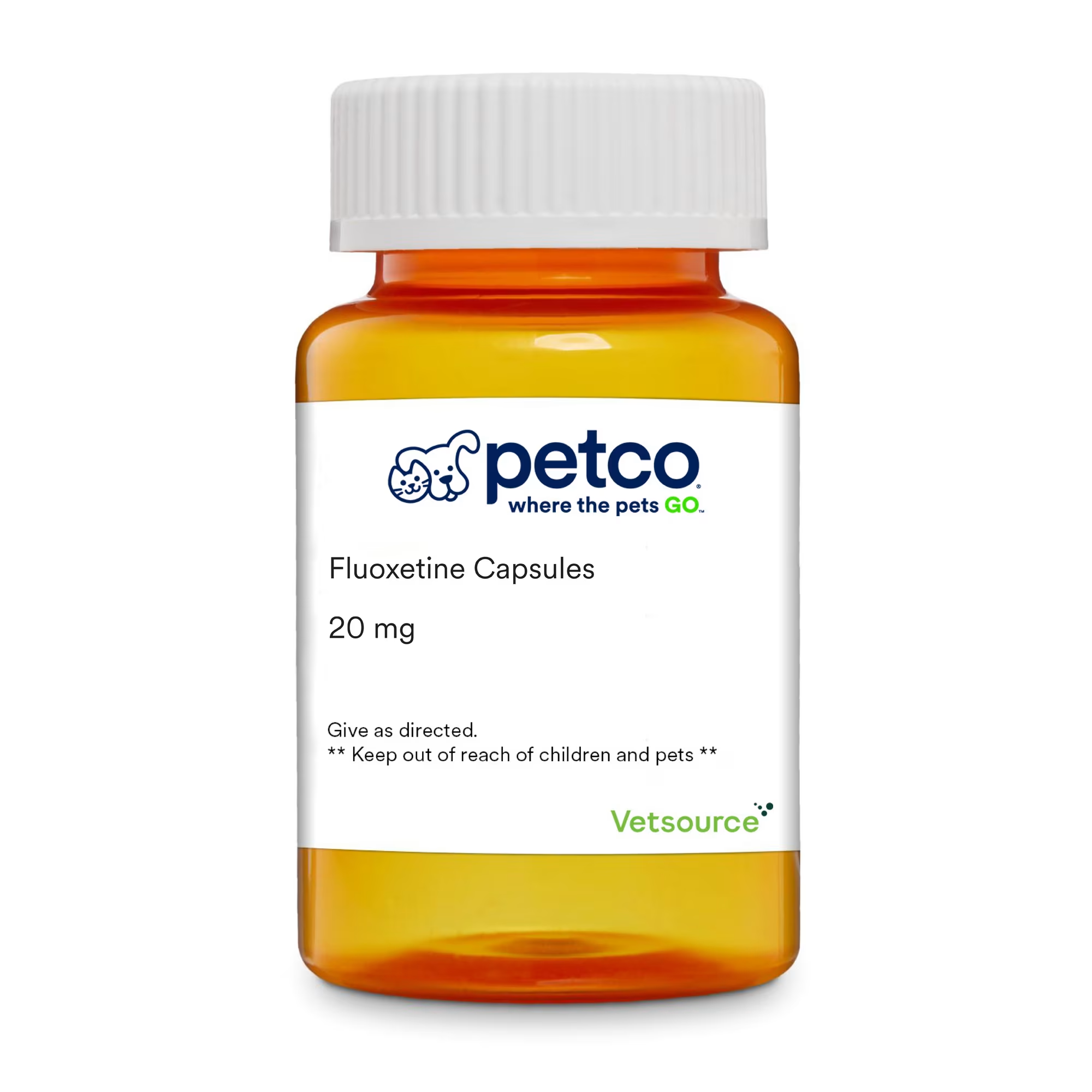 Fluoxetine Capsules (Generic) 20 mg, 30 Capsules
View Details
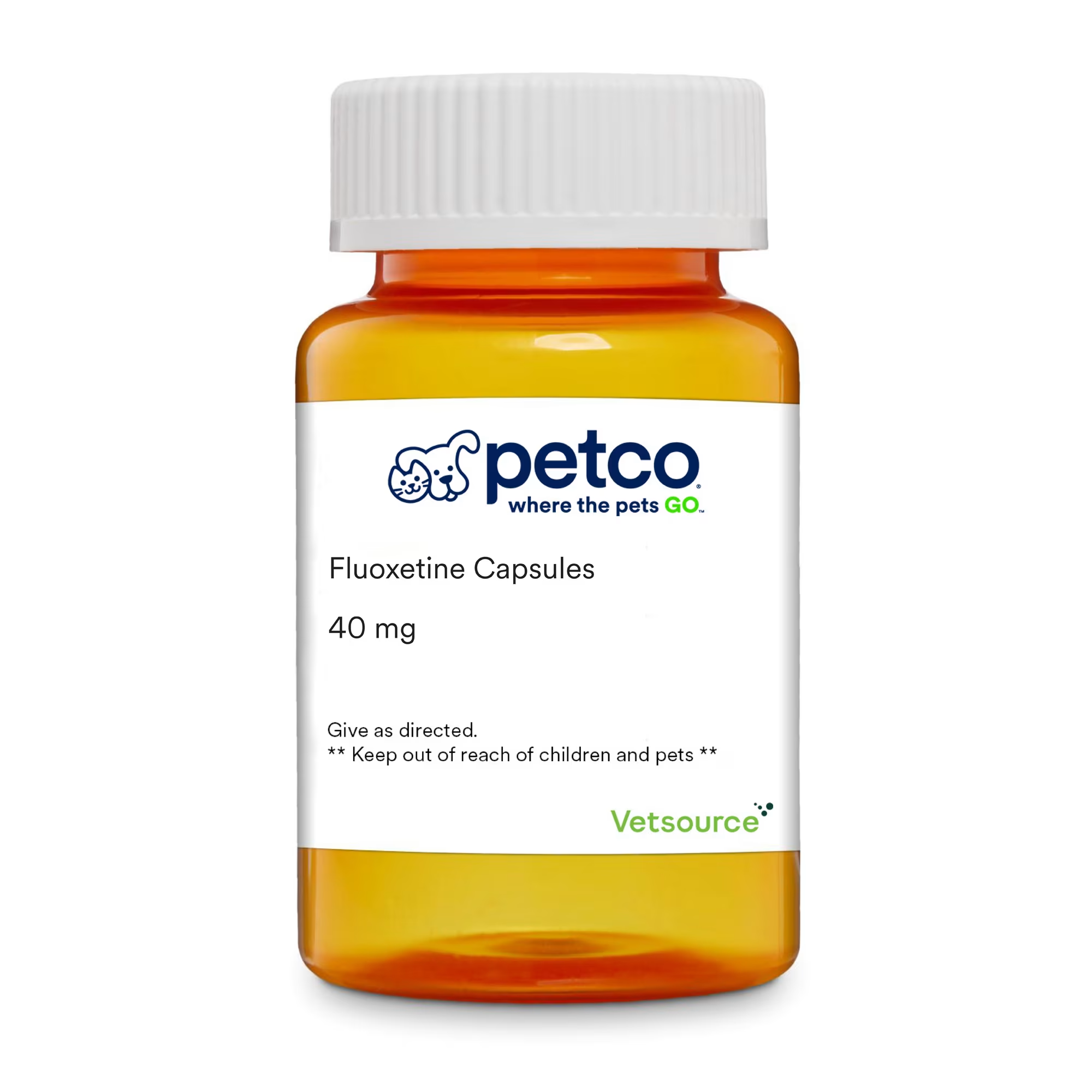 Fluoxetine (Generic) 40 mg, 30 Capsules
View Details
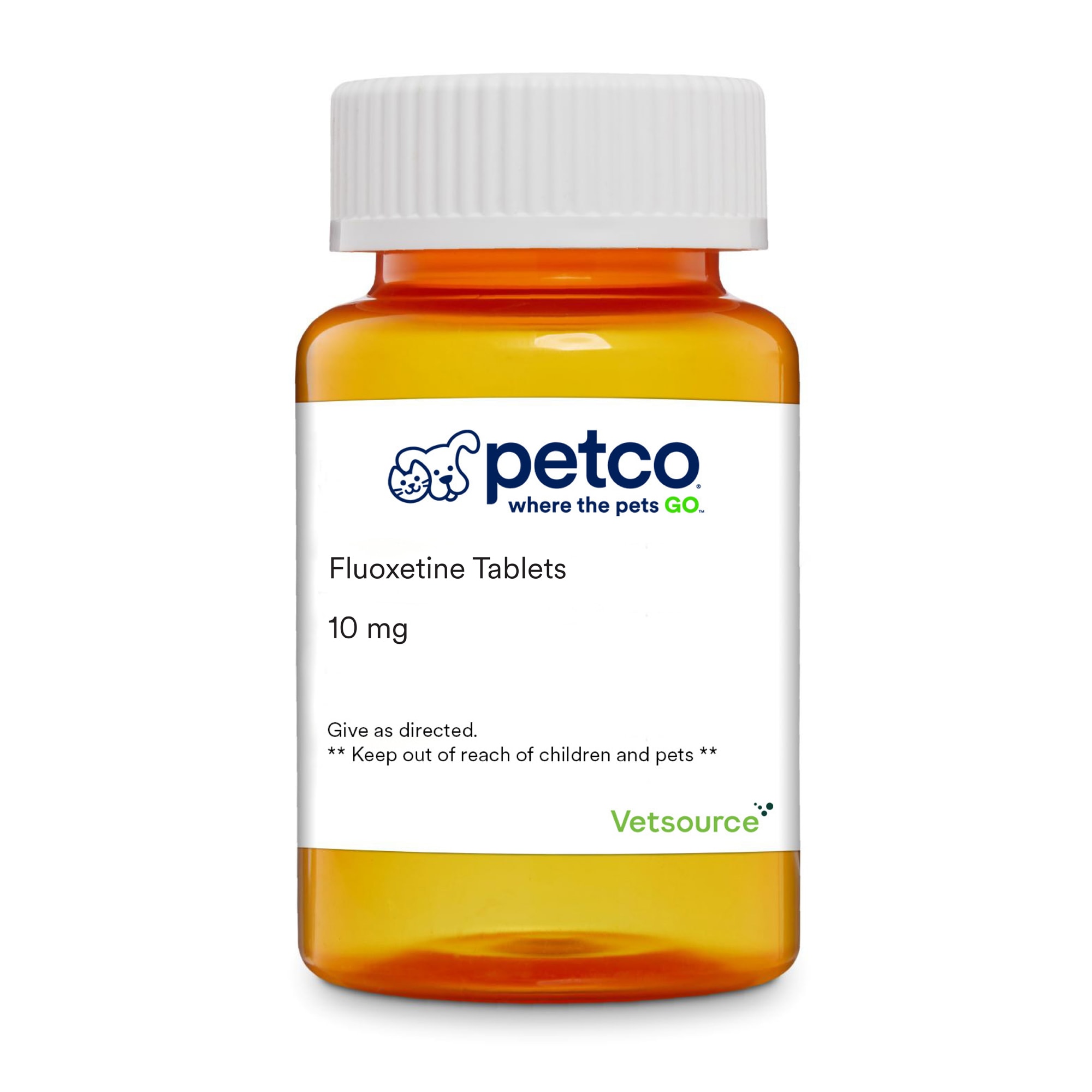 Fluoxetine Tablets (Generic) 10 mg, 30 Tablets
View Details
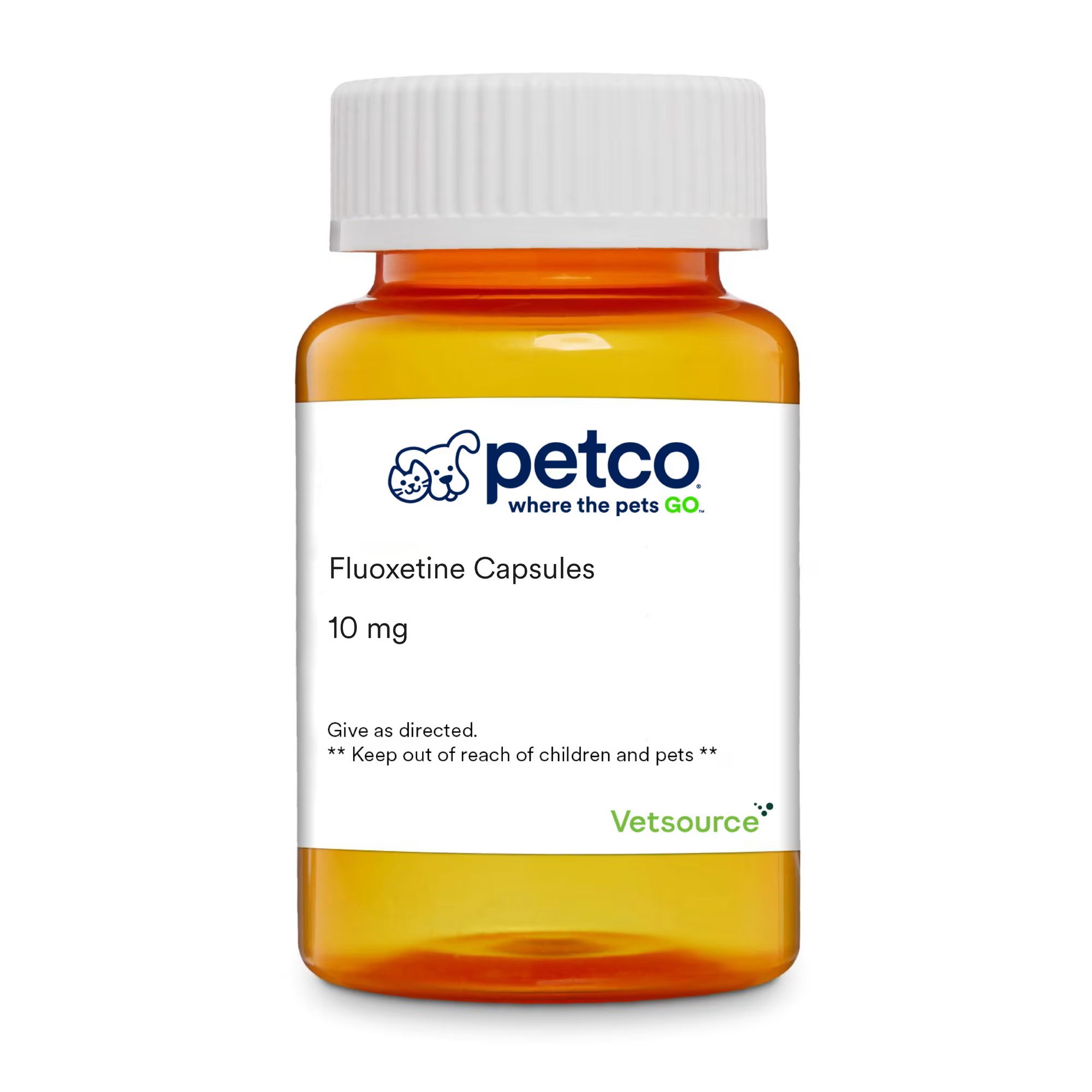 Fluoxetine (Generic) 10 mg, 100 Capsules
View Details
 Natural Dog Company Calming Chews for Dogs, 9.5 oz., Count of 90
View Details
Fluoxetine is labeled for the treatment of separation anxiety in dogs and is used to treat a variety of other behavioral disorders, including other anxieties and phobia, compulsive disorders, and inappropriate elimination, especially effective for urine marking/spraying in cats.
Summary
Used For:
A variety of behavior disorders, labeled for separation anxiety in dogs and proved effectiveness for urine marking in cats.
Brands:
Prozac®, Reconcile®
Species:
Dogs & cats
Drug type:
SSRI anti-depressant
Prescription required:
Yes
Pregnancy and lactation:
Not recommended for pregnant or lactating animals
Side effects:
Most commonly loss of appetite and lethargy in dogs, and urine retention and/or constipation in cats
FDA Approved:
Yes, for separation anxiety in dogs
General description
Fluoxetine is a selective serotonin-reuptake inhibitor (SSRI) medication used in dogs and cats to aid in the management of behavioral disorders, such as anxiety, aggression, compulsive behavior, and inappropriate elimination.
Buy Fluoxetine now on Petco. A prescription from your veterinarian may be needed to purchase.
Uses
Separation anxiety, generalized anxiety, aggression, compulsive behaviors in dogs and cats; inappropriate urination (especially urine marking) in cats.
How it works
Fluoxetine is a selective serotonin-reuptake inhibitor (SSRI), which increases the effect of the serotonin in the central nervous system.
Dosage
Dogs: 1 – 3 milligrams per kilogram orally once daily.
Cats: 0.5 – 1 milligrams per kilogram orally once daily.
It may take 8 weeks of consistent administration before efficacy can be determined, after which time the dose may be decreased.
The medication dosages listed represent the variation in dosing for all underlying medical conditions. Medications should only be administered to pets under the direct guidance of a veterinarian.
Forms
Reconcile® chewable tablets for oral veterinary use: 8, 16, 32, & 64 milligram sizes. Oral fluoxetine tablets: 10, 15, & 20 milligram sizes. Human labeled oral tablets. Oral fluoxetine capsules: 10, 20, 40, & 90 milligram sizes. Oral fluoxetine solution: 20 milligrams per 5 milliliters in 120 & 473 milliliter volumes.
Storage information & handling
Fluoxetine should be stored in a childproof container at room temperature in a safe location out of the reach of children and animals.
What results can I expect?
Improvement in the undesired behavior(s) or inappropriate elimination over at least 4-8 weeks for dogs or 8 weeks for cats.
Missed Dosage
It is best to give the medication as directed without skipping doses. If you miss a dose, skip the one you missed and go back to the normal schedule. Do not give 2 doses at the same time.
Overdose / acute toxicity
Seek veterinary care if overdose suspected. Clinical signs associated with overdose and/or serotonin syndrome including CNS depression or stimulation, vomiting, hypersalivation, mydriasis (dilated pupils), agitation, hyperactivity, hyperthermia, and tremors.
Side effects
*Reduced appetite
*Lethargy
*Change in elimination habits (urine retention or constipation)
*GI upset (vomiting and diarrhea) could occur but are not common
*Though rare some patients may experience worsening behavior (eg, irritability or restlessness)
Contraindications
*Pregnancy or lactation
*Reduced doses may be needed in animals with liver disease
*Use with caution in animals with diabetes mellitus
*Known sensitivity to fluoxetine
*Do not use while patient is on Anipryl or other MAOI (monoamine oxidase inhibitor)
Drug interactions
Always consult your veterinarian before giving your pet any medication, vitamin, or supplement due to the potential for drug interactions.
Cyproheptadine (may reverse fluoxetine’s effects)
Diuretics (increased risk of hyponatremia)
Increased bleeding may occur with coadministration of non-steroidal anti-inflammatory drugs (NSAIDs; i.e. carprofen, deracoxib, meloxicam, etc.), anticoagulants / anti-platelet agents (eg, apririn, clopidogrel, warfarin).
Concurrent administration of other SSRI, MAOI (eg, Anipryl, amitraza), TCA (eg, amitriptyline, clomipramine), mirtazapine, St. John’s wort, tramadol, buspirone, and trazodone ay increase the risk of developing serotonin syndrome.
Precaution
Avoid use in pregnant or lactating animals and those with known sensitivity to fluoxetine
Use with caution in animals with known seizure disorders, diabetes mellitus, and severe liver disease.
Sources
Plumb’s Veterinary Drugs
Disclaimer
The information contained on this page is for educational purposes only. This medication should only be given under the advice of a veterinarian who has examined your pet under the laws applicable to your state of residence.