


Two Easy Ways to Start Earning Rewards!
Become a member today! Members-only pricing and offers, personalized care notifications, Vital Care points back on every purchase and more!
 Become a credit card member today!
Earn 2X Pals Rewards points at Petco
when you use Petco Pay!APPLY NOWLearn More About Petco Pay Benefits
Florinef for Dogs: Fludrocortisone Guide
Updated on June 18, 2026


Reviewed by Dr. Whitney Miller, DVM, MBA, DACVPM

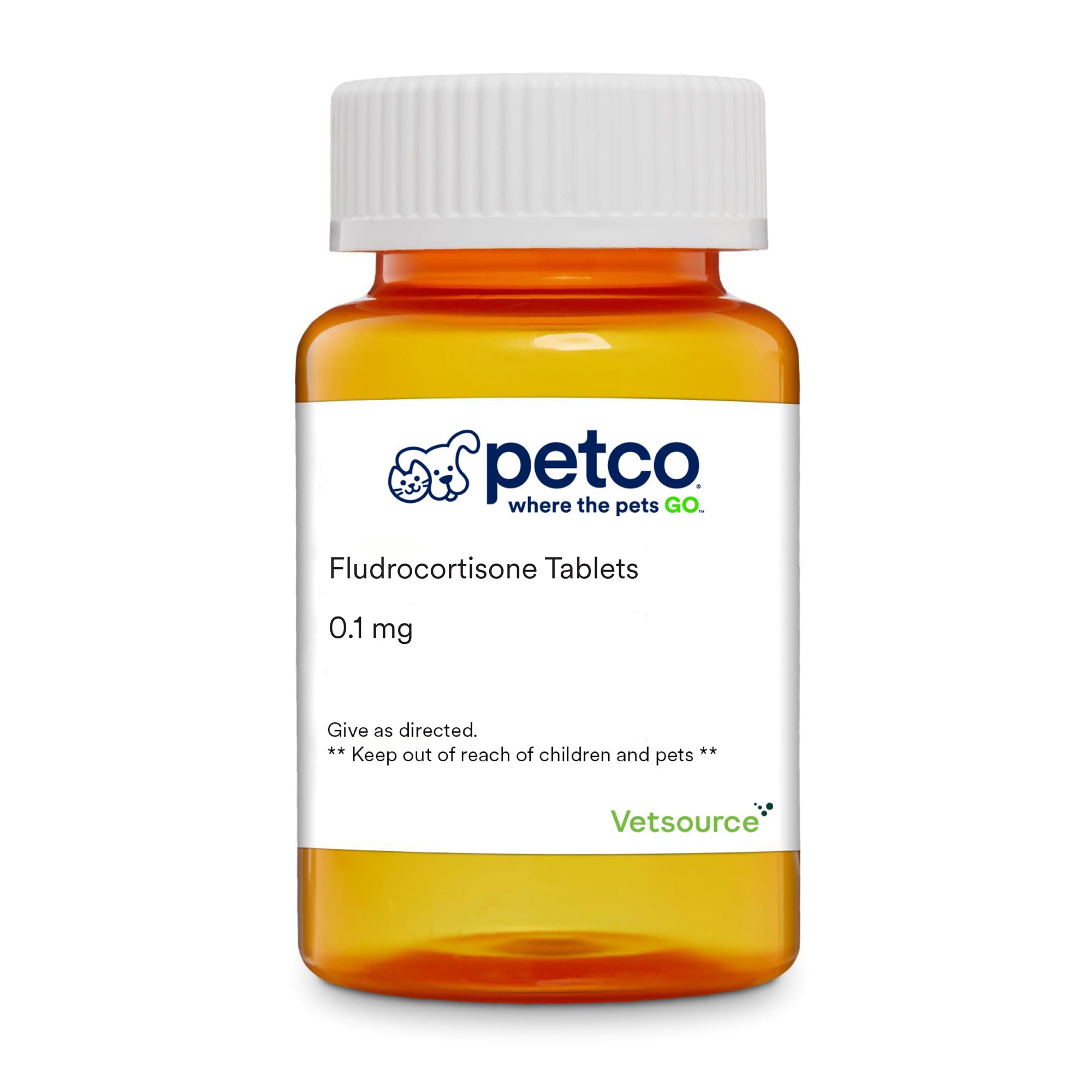 Fludrocortisone Acetate (Generic) .1 mg, 100 Tablets
View Details
 Pet Wellbeing Harmony Natural Adrenal Dysfunction and Cushing's Support Supplement for Dogs, 2 fl. oz.
View Details
 Pet Wellbeing Melatonin Natural Dog Adrenal Support & Anxiety Support Supplement, 2 fl. oz.
View Details
 Royal Canin Veterinary Diet Canine Gastrointestinal High Fiber Adult Dry Dog Food, 17.6 lbs.
View Details
 Royal Canin Veterinary Diet Canine Gastrointestinal Low Fat Adult Loaf Dog Food, 13.5 oz., Pack of 12
View Details
Florinef for Dogs: How Fludrocortisone Supports Adrenal Health
Fludrocortisone (commonly known by the brand name Florinef) is a prescription medication veterinarians use to help manage adrenal gland disorders in dogs — most notably Addison's disease. Understanding how it works starts with a quick look at what the adrenal glands do and why they matter so much to your dog's everyday wellbeing.
What the Adrenal Glands Do
Your dog's endocrine system is a network of glands throughout the body that produce hormones — chemical messengers carried through the bloodstream to regulate vital organs and bodily functions. Two of the most important glands in this system are the adrenal glands, which produce two critical hormones:
- Aldosterone — regulates blood pressure, blood volume, and the balance of key electrolytes (sodium and potassium) in the bloodstream
- Cortisol — helps the body respond to stress, including the "fight-or-flight" response all animals experience when they sense danger
When the adrenal glands are working properly, these hormones keep your dog's circulatory system stable and his body prepared to handle everyday physical and emotional demands — from a morning walk to an afternoon nap. When the adrenal glands fail to produce enough of these hormones, the consequences can be serious and even life-threatening.
When the Adrenal Glands Don't Work Properly
Insufficient adrenal hormone production can destabilize your dog's blood pressure and electrolyte balance, placing dangerous strain on the circulatory system. One of the most well-known conditions that results from adrenal insufficiency is Addison's disease (hypoadrenocorticism) — a potentially fatal illness if left undiagnosed or untreated. Dogs with Addison's disease cannot produce adequate levels of aldosterone, cortisol or both, leaving their bodies unable to regulate essential functions on their own.
Always consult your veterinarian if you notice signs of adrenal dysfunction in your dog, such as lethargy, weakness, vomiting, or loss of appetite. Only a licensed veterinarian can diagnose Addison's disease and prescribe appropriate treatment.
How Fludrocortisone (Florinef) Can Help
Fludrocortisone is a synthetic mineralocorticoid — a class of steroid hormone — that can help support the regulation of electrolytes in the blood that are directly affected by adrenal gland dysfunction. When aldosterone levels are too low, sodium and potassium levels in the bloodstream fall dangerously out of balance. Fludrocortisone works by mimicking aldosterone's role, helping the kidneys retain sodium and excrete potassium to restore that balance.
Because fludrocortisone is a prescription medication, it must be prescribed and monitored by your veterinarian. Dosing, frequency and ongoing bloodwork monitoring are individualized to each dog's needs — this is not a medication to adjust or discontinue without professional guidance.
If your veterinarian prescribes fludrocortisone for your dog, you can fill and manage that prescription conveniently through Petco's pet pharmacy, which also carries other commonly prescribed pet medications such as furosemide, cyproheptadine and pimobendan.
What is fludrocortisone used for in dogs?
Fludrocortisone acetate acts as a replacement hormone to regulate important electrolytes like potassium and sodium in your dog’s blood—somewhat similar to the use of furosemide. Potassium and sodium levels are delicately balanced in pets’ bodies—, and when the levels of one increase, there is a decrease in the other. This medication can help the endocrine systems of cats, dogs and ferrets maintain a proper balance of these vital chemicals. Fludrocortisone uses include the treatment of Addison’s in dogs and other pets, as well as hyperkalemia and other adrenal insufficiencies.
Addison’s Disease
What is Addison’s disease in dogs and cats? Feline and canine Addison’s disease is caused when your pet’s body isn’t getting the regulatory hormones it needs. Remember, hormones act as messengers to the organs—if the body isn’t receiving proper instructions, organs can malfunction and fail.
Signs of Addison’s disease in dogs are very diverse, considering how many organs are affected by hormonal imbalances in the endocrine system. Some of these symptoms include dehydration, gastrointestinal upsets, dark patches on the skin, hair loss, and low energy. Cats with Addison’s disease can develop the same symptoms, but it is a much rarer disease for felines.
Any dog breed can develop this disease, but certain large breeds like Great Danes and Bearded Collies are more genetically predisposed to canine Addison’s disease. Diagnosing this ailment can be tricky—the symptoms are very broad and sometimes aren’t inconsistent. They may go away, then come back.
If your pet is displaying symptoms of Addison’s, your vet will perform bloodwork, urinalysis and other tests to determine the severity of the disease and what they need to prescribe for treatment. Often, your veterinarian may prescribe drugs such aslike fludrocortisone and prednisone.
General Dosage Guidelines
Fludrocortisone is the generic designation for this medication., and iIt is sold under the brand names Florinef, Astonin, Astonin H, Florinefee and Lonikaon, among others. In its generic form, the drug is prescribed as a white scored tablet, but the appearance of tablets can differ depending on the brand. While you should always follow your vet’s instructions when administering fludrocortisone, a typical dose is as follows:.
Dogs
0.01 milligrams per kilogram of body weight by mouth every 12 hours. Your vet may have to perform serum electrolyte level tests every two weeks and adjust medication in increments until stable.
Cats
0.02 milligrams per kilogram of body weight by mouth once daily.
You should never attempt to dispense fludrocortisone doses to your pet unless instructed by your vet—testing needs to be done to determine how much of the medication is required., and yYour vet may also prescribe additional medicines with this drug. Serious side effects can occur if your pet is given too much or too little fludrocortisone. Signs of an overdose include limb-swelling due to excess fluids and indications of high blood pressure.
FludrocortisoneIt can be given with or without food. If you notice your pet gets an upset stomach after taking medication, you may want to try giving it to them with food with it to help settle their system.
If you miss a fludrocortisone dose, give it to your pet as soon as you remember—, unless it is close to the time of the next dose. —yYour pet should nevernot be given two doses at a time. If you have any questions about a missed dose or your pet’s overall dosing, consult your veterinarian.
What are fludrocortisone side effects in dogs?
Side effects are rare but may occur when your vet is adjusting the dosage to find the right levels. Side effects may include the following:.
- Swelling—particularly in the abdomen
- Gastrointestinal issues
- Increased need to urinate
- Increased thirst
- Change of moods
- Change in coat
- Weakness
- Weight loss or weight gain
As these side effects can be varied and sometimes indicate other health issues, your vet will likely want to monitor the effects of fludrocortisone during the first few weeks.
How long does Florinef take to work in dogs?
Florinef is a commonly prescribed brand name version of fludrocortisone. The medication typically begins to take effect in as little as one to two hours, and you should be able to start seeing a reduction in symptoms. However, it may take weeks or months to find the correct exact dose that is appropriate for your pet—, and testing will need to be done frequently to ensure it is still working effectively.
Your pet will most likely be on this medication for the remainder of their life. Other drugs may be added to the regimen, especially when your pet is stressed or ill. If your pet takes fludrocortisone, you may want to consult your vet before stressful life situations occur—such as moving houses, additional pets, travel or boarding situations.
Additional information
This medication is available by prescription only. Fludrocortisone should be stored at room temperature, preferably in the bottle it comes in from the pharmacy. Always Kkeep away from children and other pets. You should also aAvoid storing it in excessive heat, as this can affect the medication’s efficacy.
Because Ffludrocortisone can interact negatively with certain prescription and over-the-counter medications, so make sure your veterinarian is aware of any other medications or supplements your pet is taking. It’s also important to let your vet know if your pet is pregnant or lactating, as it’s recommended that some female pets not nurse while taking this medication.
Frequently Asked Questions
What is Florinef used for in dogs? Florinef is a brand name for fludrocortisone acetate, a synthetic mineralocorticoid prescribed to replace or supplement the hormone aldosterone in dogs whose adrenal glands aren't producing enough on their own. It is most commonly used to manage Addison's disease (hypoadrenocorticism) and related adrenal insufficiencies by helping the body maintain a healthy balance of sodium and potassium in the blood. Because electrolyte regulation touches nearly every organ system, keeping those levels stable is essential to your dog's day-to-day wellbeing. Always follow your veterinarian's instructions — this medication is available by prescription only.
How long does it take for Florinef to work in dogs? Fludrocortisone typically begins acting within one to two hours of administration, and many pet parents notice an improvement in energy and overall comfort relatively quickly. However, finding the right dose for your individual dog is a longer process — it can take weeks to months of regular serum electrolyte testing and incremental dose adjustments before levels are fully stable. Plan for ongoing monitoring appointments, especially during the first few months of treatment, and contact your veterinarian if symptoms seem to worsen or new ones appear between visits.
Can Florinef interact with other medications or supplements? Yes. Fludrocortisone can interact negatively with certain prescription drugs and over-the-counter medications, including some supplements. Before starting this medication, give your veterinarian a complete list of everything your dog is currently taking — including vitamins, joint supplements and any medications purchased without a prescription. Drug interactions can affect how well fludrocortisone works or increase the risk of side effects, so full transparency with your vet is essential. If your dog is pregnant or lactating, let your veterinarian know right away, as nursing may not be recommended while on this medication.
What should I do if I miss a dose of fludrocortisone? Give the missed dose as soon as you remember — unless it is close to the time of the next scheduled dose. In that case, skip the missed dose entirely and resume the regular schedule. Never give your dog two doses at once to make up for a missed one, as doubling up can increase the risk of side effects, including fluid retention and elevated blood pressure. If you are unsure what to do after a missed dose, call your veterinarian or the Petco pharmacy team for guidance before proceeding.
What are the signs that my dog's Florinef dose needs adjustment? Watch for side effects such as abdominal swelling, increased thirst, increased urination, gastrointestinal upset, mood changes, coat changes, weakness or unexpected weight gain or loss. These signs often appear when the dose is either too high or too low, and they are most common during the initial weeks of treatment while your veterinarian is calibrating the right amount. Signs of overdose specifically include limb swelling from excess fluid and indications of elevated blood pressure. Contact your veterinarian promptly if you notice any of these changes — do not adjust the dose on your own.
How should Florinef be stored, and is it available at Petco's pharmacy? Store fludrocortisone at room temperature in the original pharmacy bottle, away from excessive heat, moisture and direct light, as heat in particular can reduce the medication's effectiveness. Keep it out of reach of children and other pets. Fludrocortisone is a prescription-only medication, meaning your veterinarian must authorize it before it can be dispensed. Once you have a valid prescription, you can fill it through Petco's pet pharmacy, where knowledgeable pharmacy staff can answer questions about your dog's specific prescription.
This article was created with assistance from AI tools and reviewed for accuracy by Petco's content team.


