


Two Easy Ways to Start Earning Rewards!
Become a member today! Members-only pricing and offers, personalized care notifications, Vital Care points back on every purchase and more!
 Become a credit card member today!
Earn 2X Pals Rewards points at Petco
when you use Petco Pay!APPLY NOWLearn More About Petco Pay Benefits
Diazepam for Pets: Anxiety, Seizures, & Muscle Relaxant Guide
 VetriScience Composure Calm & Confident Chicken Cheese Flavored Powder Calming & Anxiety Supplement for Cats, 2.75 oz., 60 Scoop
View Details
 Wellness Tasty Cheese Flavored Soft Chews Calming Supplements for Dogs, Count of 45
View Details
 Zesty Paws Turkey Advanced Calming Bites Soft Chews for Dogs, 11.1 oz., Count of 90
View Details
 Pet Honesty Calming Hemp Anxiety Fresh Sticks for Dogs, Count of 30
View Details
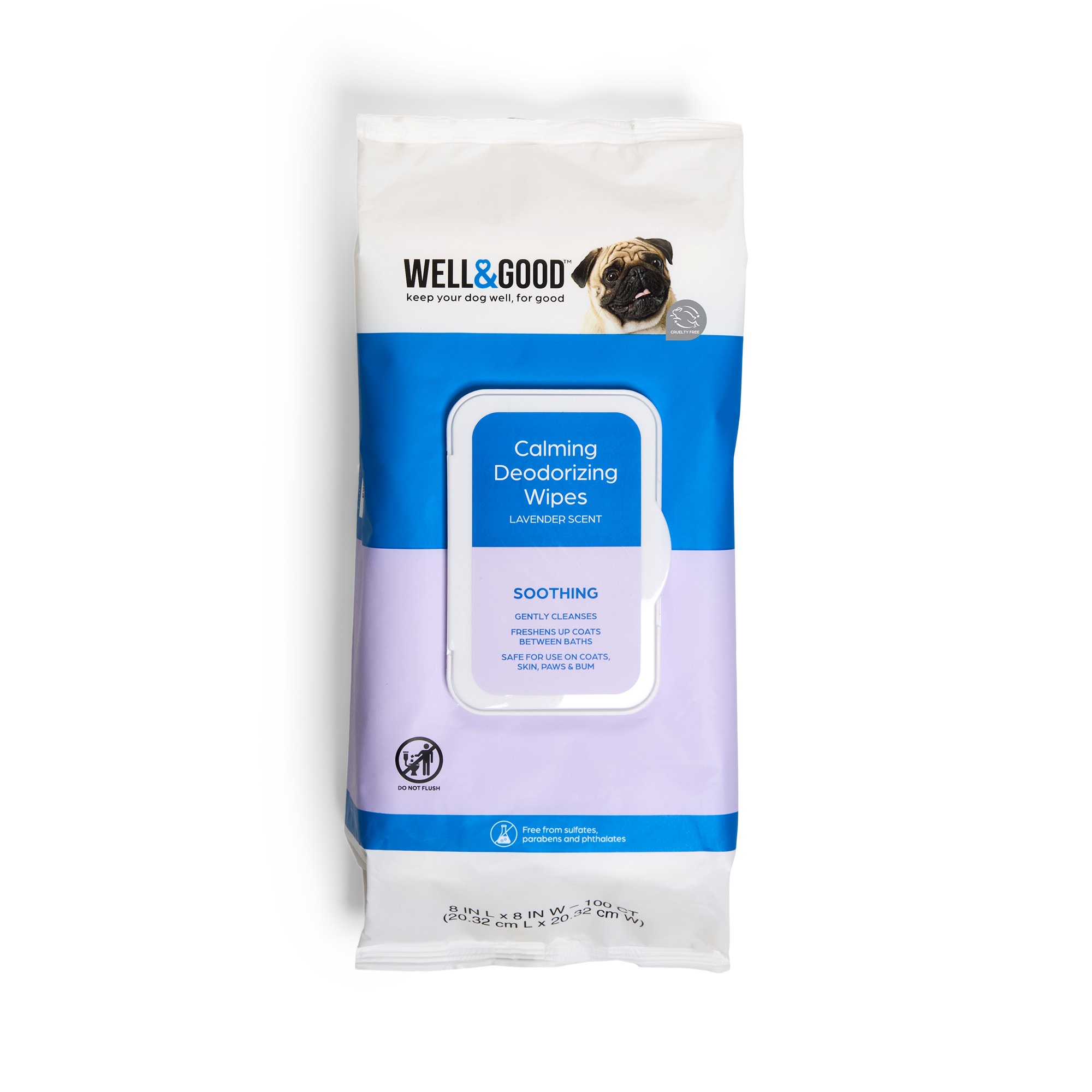 Well & Good Lavender Calming Deodorizing Dog Wipes, Count of 100
View Details
Diazepam is a benzodiazepine that is used to treat anxiety. It also serves as a muscle relaxant and can be used to treat active seizures.
Summary
Used For:
Anxiety, muscle relaxation and anticonvulsant
Brands:
Valium
Species:
Dogs, cats, small mammals, rodents, rabbits, birds, horses
Other names:
Diastat
Drug type:
Anti-anxiety
Prescription required:
Yes; diazepam is a schedule IV controlled substance.
Pregnancy and lactation:
Should not be used pregnant or nursing animals. May cause birth defects.
Side effects:
Often related to drowsiness or sedation; however, paradoxical excitation and polyphagia (increased appetite) may occur
General description
Diazepam is in a class of medications called benzodiazepines and used in veterinary medicine as a sedative, muscle relaxant, anticonvulsant, appetite stimulant, and to treat anxiety.
Uses
Anxiety, muscle relaxation, and to control active seizure (not to prevent seizure activity)
How it works
Diazepam is a benzodiazepine which acts on the central nervous system to produce a calming effect. It works by enhacing the effects of gamma-aminobutyric acid (GABA), which is the main inhibitory neurotransmitter in the CNS.
Dosage
Dogs: 0.5 – 1 milligrams per kilogram rectally up to 3 times in a 24-hour period, 0.5 milligrams per kilogram nasally, 0.5 – 1 milligrams per kilogram intravenous, 0.5 – 2 milligrams per kilogram orally or 2 – 10 milligrams per dog orally three times a day. If used for phobias, it should be given 30-60 minutes before triggering event.
Because of concerns associated with oral diazepam and rare idiosyncratic hepatic failure in cats, oral use in cats is not recommended. Use an alternative oral benzodiazepine.
** Rabbits**: 0.5 – 2 milligrams per kilogram intravenous or intramuscular.
** Hamsters, Gerbils, Mice, Rats**: 3 – 5 mg/kg IM
** Guinea pigs: ** 0.5 – 3 mg/kg IM
Forms
Diazepam Oral Tablets: 2, 5, and 10 milligram sizes
Diazepam Oral Solution: 1 milligram per milliliter and 5 milligrams per milliliter
Diazepam Rectal Gel: 2.5, 10, and 20 milligrams
Diazepam Injection: 5 milligram per milliliter.
Storage information & handling
All diazepam products should be stored at room temperature protected from moisture and light.
What results can I expect?
Reduction in anxiety and active seizuress, as well as muscle relaxation
Missed Dosage
Give the dose as soon as possible. If it is almost time for the next dose, skip the missed dose, and continue with the regular schedule. Never give two doses at once.
Overdose / acute toxicity
Overdose is possible and the severity is dose dependent. Signs of overdose include ataxia, disorientation, depression, weakness, and hypothermia.
Side effects
Side effects may include, but are not limited to, the following:
- Sedation/Drowsiness
- Increased appetite
- Ataxia (wobbly gait)
- Irritability/Excitement
- Aggression
- Hepatic failure (cats)
Contraindications
Use with caution in animals that have or have had:
- Benzodiazepine sensitivity
- Hepatic or renal disease
- Glaucoma
- Aggressive animals
- Debilitated or geriatric patients
Drug interactions
Consult your veterinarian before using diazepam with any other medications, even vitamins and supplements. The following may interact with diazepam:
- Cimetidine
- erythromycin
- ketoconazole
- digoxin
- rifampin
- amitriptyline
- dexamethasone
- mineral oil
- omeprazole
- quinidine
- phenytoin
- CNS depressant agents
Antacids should be administered at least 2 hours before or after diazepam.
Precaution
Diazepam should not be used in pregnant or nursing animals. May cause birth defects. Overdose is possible and the severity is dose dependent. Use in cats is controversial due to case reports of serious liver failure.
Laboratory considerations
Possible false negative urine glucose results.
Sources
Disclaimer
The information contained on this page is for educational purposes only. This medication should only be given under the advice of a veterinarian who has examined your pet under the laws applicable to your state of residence.