


Two Easy Ways to Start Earning Rewards!
Become a member today! Members-only pricing and offers, personalized care notifications, Vital Care points back on every purchase and more!
 Become a credit card member today!
Earn 2X Pals Rewards points at Petco
when you use Petco Pay!APPLY NOWLearn More About Petco Pay Benefits
Dextromethorphan for Dogs & Cats: Cough & Bronchitis Treatment
 Earth Animal Natural Remedies Cough, Wheeze & Sneeze Liquid Homeopathic Respiratory Supplement for Dogs & Cats, 2 fl. oz.
View Details
 Pet Wellbeing Gold Natural Cough & Throat Soother Supplement for Dogs, 2 fl. oz.
View Details
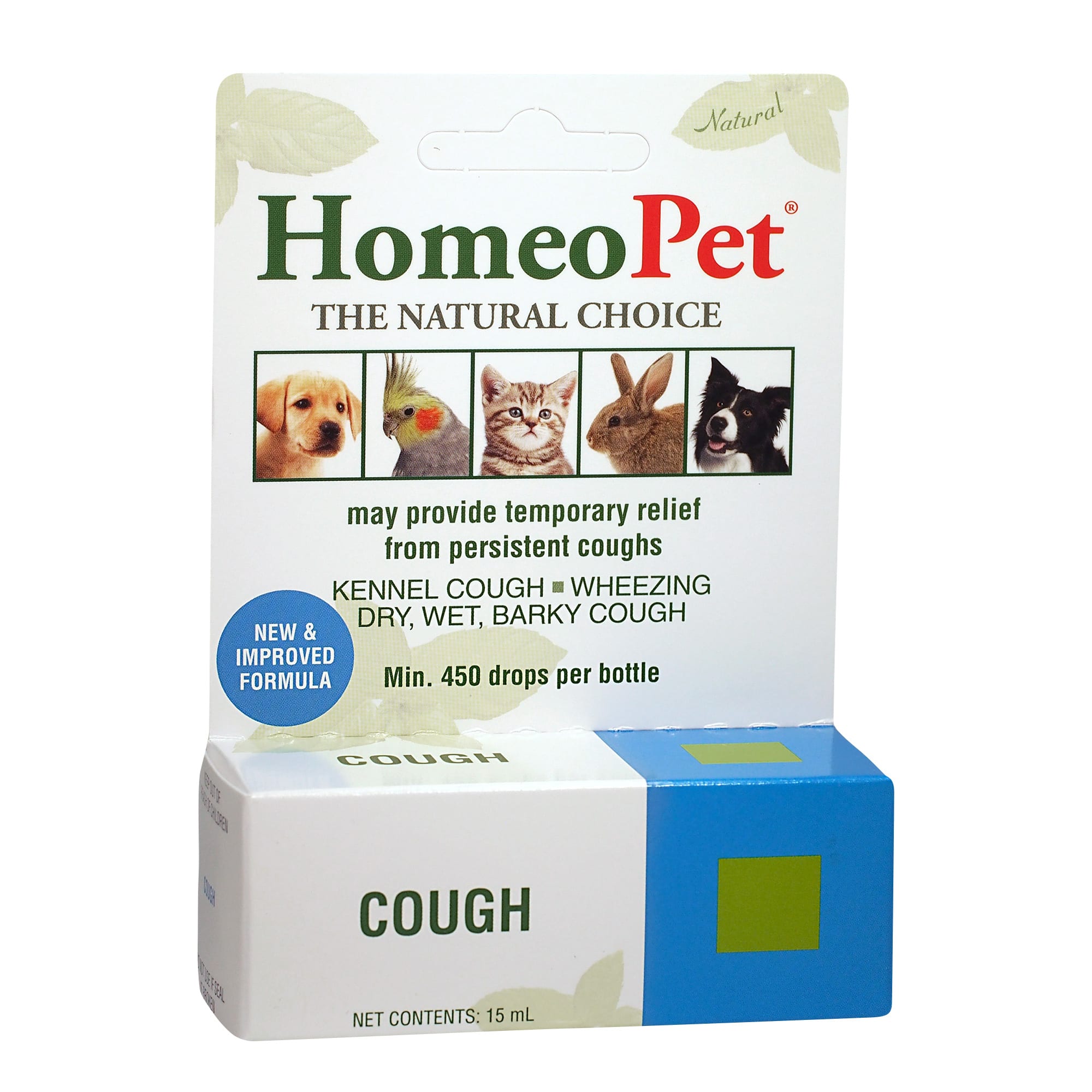 HomeoPet Cough, Gentle Natural Cough Medicine for Dogs, Cats, and Small Pets, Cat and Dog Cough Medicine, 15 Milliliters
View Details
 PetAlive KC Defense Granules Natural Homeopathic Formula for Pet Coughs and Sneezing, 29 Gram
View Details
 PetAlive Respo-K Oral Spray Natural Homeopathic Formula Pet Respiratory & Cold Symptoms for Pets, 2 fl. oz.
View Details
Dextromethorphan may be used to treat dry, nonproductive cough, chronic bronchitis, or compulsive coughing behavior in dogs and cats.
Summary
Used For:
Used to treat dry, nonproductive cough, chronic bronchitis or compulsive coughing behavior.
Brands:
Benylin, Robitussin, Delsym
Species:
Dogs and cats
Other names:
Drug type:
Respiratory
Pregnancy and lactation:
Do not use in pregnant or lactating animals.
General description
While many medications are often administered for ‘off-label’ or 'extra-label' use in veterinary medicine, it is important to know that off- or extra- label use of a medication can only be done by a veterinarian when there are no other more appropriate medications for a particular pet's circumstances. While Dextromethorphan may not require a prescription, it is important to know over-the-counter medications are generally not held to the same safety and efficacy standards as prescription medications but still have significant biological effects on the patient. Review goals and share all vitamins, supplements, medications etc. your pet is taking with your veterinarian to not only set expectations and confirm this treatment route is your best option, but also to help avoid complications. Be sure to follow all instructions provided by your vet carefully and consult your veterinarian with any questions or concerns if they arise.
Dextromethorphan is an over-the-counter cough suppressant used to treat dry, nonproductive cough and chronic bronchitis in dogs and cats.
Uses
Treatment of dry, nonproductive cough and chronic bronchitis.
How it works
Dextromethorphan works by suppressing the cough center in the brain.
Dosage
*Information provided below outlines what a typical dose might look like. Always consult your veterinarian on the appropriate dose for your specific animal when using any vitamin, supplement, off-label or prescription products. Some vets may prescribe outside of these ranges based on specific needs of the patient.
Dogs and cats: 0.5–1 milligrams per kilogram by mouth every 8-12 hours.
Do not use a cough suppressant without first contacting a veterinarian to confirm the appropriate dose for your animal as this product can be toxic when an overdose occurs. If you feel your pet may be experiencing symptoms associated with a toxic dose of this product, contact your veterinarian, an emergency clinic or pet poison hotline immediately.
Forms
Many forms exist, but the most common form administered is as an oral solution in strengths of 1.5, 2, 3, or 6 milligrams dextromethorphan hydrobromide per milliliter and in liquid filled capsules containing 15 milligrams dextromethorphan hydrobromide. Never use this product without specific guidance from your veterinarian regarding a recommended dose for your pet as this product can be toxic to pets. Never use a dextromethorphan product that contains a decongestant or any other active ingredients.
Storage information & handling
Store at room temperature protected from moisture and light.
What results can I expect?
Resolution of coughing
Missed Dosage
This product should only be used as needed and can be toxic to your dog if the recommended dose provided by your veterinarian is not closely followed. Never administer back-to-back doses.
Overdose / acute toxicity
May see excitement, confusion, vomiting, drowsiness, or decreased rate of breathing with overdose.
Side effects
May include:
- Sedation
- Dizziness
- Nausea/Vomiting
- Diarrhea
*Decreased appetite
*Drooling
*Rapid heartbeat
*Collapse
*Muscle tension/twitching
*Anxious behavior
*Seizures
*Abnormal eye movement
Contraindications
Do not use in animals with a history of allergic reaction to dextromethorphan. In humans, dextromethorphan has been associated with histamine release.
Use with caution in pets with a known hypersensitivity, or with a condition such as: liver disease, skin allergies, chronic cough, wet coughs or animals taking MAOIs (monoamine oxidase inhibitors), have recenyly worn a collar containing amitraz or selegiline as an active ingredient. Safety in aniamls has not been studied, consult your veterinarian before administering this medication and take extra caution with pregnant or lactating animals. See Drug interactions below for additional information.
Drug interactions
Consult your veterinarian before using dextromethorphan with any other medications, even vitamins and supplements.
Do not use with other sedatives, narcotics, antihistamines, or central nervous system depressants as effects of the drugs would be increased.
The following may interact with dextromethorphan:
- Monoamine oxidase inhibitors
- Other serotonergic drugs
- Celecoxib
- Terbinafine
Precaution
Do not use for persistent or chronic cough, or for a productive, moist cough. Some oral syrups/gels may contain xylitol, which can be toxic to dogs. A large variety of OTC combination products contain dextromethorphan mixed with acetaminophen, brompheniramine, chlorpheniramine, doxylamine, guaifenesin, phenylephrine, and/or pseudoephedrine which can be harmful to pets. Consult your veterinarian before using over-the-counter medications to make sure you have the right formulation and be sure to follow their instructions carefully to help avoid administering a toxic dose.
Laboratory considerations
Can cause false-positive results for phencyclidine (PCP) on urine drug screening tests.
Sources
Plumb’s Veterinary Drug Handbook
VIN Veterinary Drug Handbook
Manufacturer information
Disclaimer
The information contained on this page is for educational purposes only. This medication should only be given under the advice of a veterinarian who has examined your pet under the laws applicable to your state of residence.