


Two Easy Ways to Start Earning Rewards!
Become a member today! Members-only pricing and offers, personalized care notifications, Vital Care points back on every purchase and more!
 Become a credit card member today!
Earn 2X Pals Rewards points at Petco
when you use Petco Pay!APPLY NOWLearn More About Petco Pay Benefits
Citrate Salts: Metabolic Acidosis & Urinary Stone Treatment for Pets
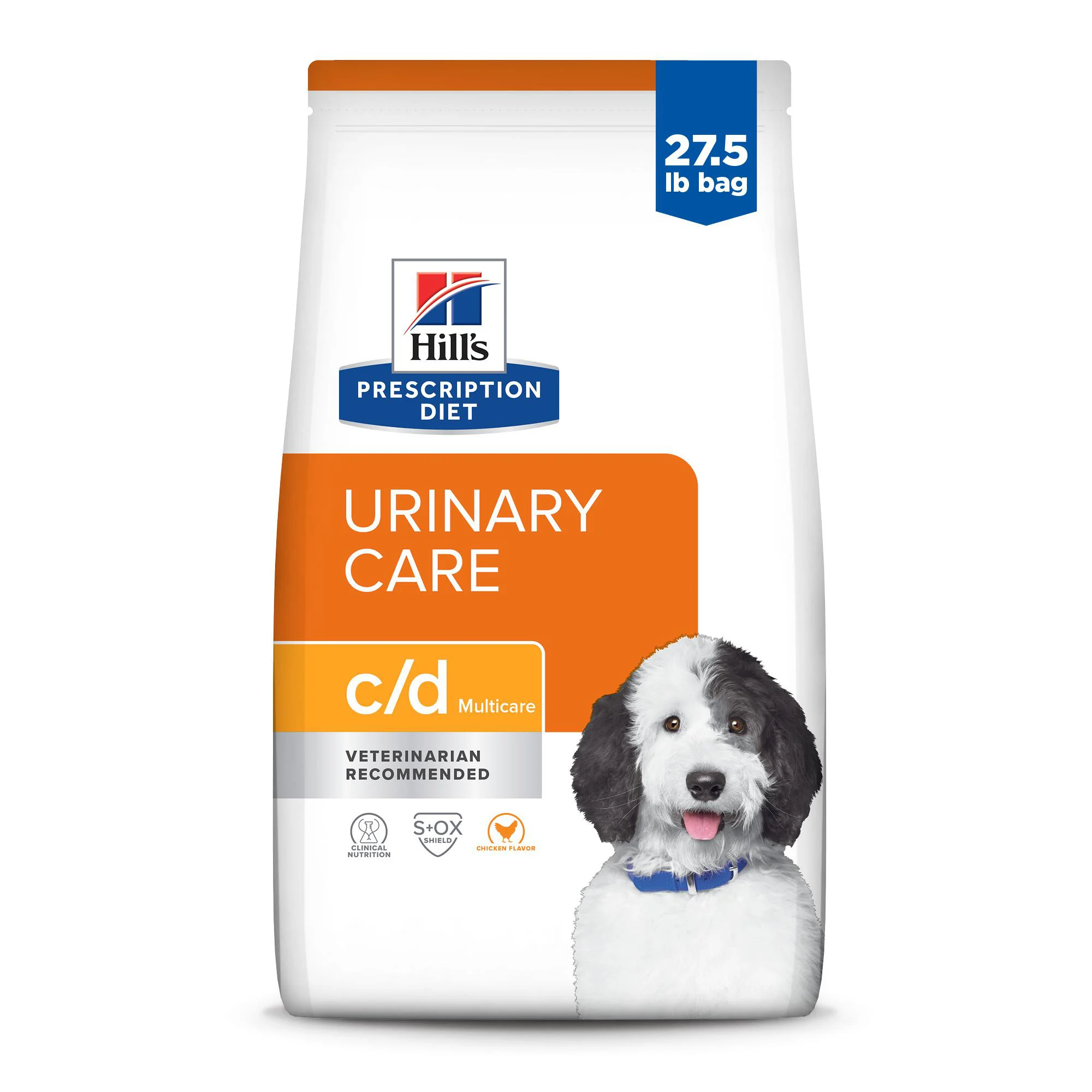 Hill's Prescription Diet c/d Multicare Urinary Care Chicken Flavor Dry Dog Food, 27.5 lbs.
View Details
 Merrick Backcountry Grain Free Real Beef Dinner Wet Dog Food, 12.7 oz., Case of 12
View Details
 Blue Buffalo Health Bars Oven-Baked with Natural Ingredients Bacon, Egg & Cheese, Crunchy Dog Biscuits, 16 oz.
View Details
 Pet Honesty Bladder Health Cranberry Soft Chews for Dogs, Count of 90
View Details
 Blue Buffalo Wilderness Duck & Chicken Grill, 35g Protein Adult Wet Dog Food, 12.5 oz., Count of 12
View Details
Citrate salts are used to treat metabolic acidosis
Summary
Used For:
Treatment of metabolic acidosis (pH of the blood is too acidic)
Brands:
Nutrived, Urocit-K
Species:
Dogs and cats
Other names:
Citrate of potash, citric acid tripotassium salt monohydrate, Shohl’s solution
Drug type:
Prescription required:
Yes
Pregnancy and lactation:
Inadequate data on safety in pregnant and lactating animals
Side effects:
GI upset, hyperkalemia, fluid retention, metabolic alkalosis
General description
Citrate salts are used to treat metabolic acidosis (pH of the blood is too acidic). These medications are also used to bind calcium and allow the urine pH to become more alkaline to help prevent the formation of calcium oxalate stones. Potassium citrate may also be used in the treatment of hypokalemia (low blood levels of potassium).
Uses
Urinary alkalinization, treatment of chronic metabolic acidosis, prevention of calcium oxalate urolith formation.
How it works
Citrate salts are oxidized in the body to bicarbonate thereby acting as alkalinizing agents.
Dosage
Dogs: 40-75 milligrams per kilogram by mouth every 12 hours.
Cats: 50-75 milligrams per kilogram by mouth every 12 hours.
Forms
Veterinary-labeled product:
Nutrived: one scoop (5 grams) contains 300 milligrams potassium citrate and 423 milligrams total fatty acids.
Human-labeled products:
- Urocit-K: Available in 540 and 1080 milligram tablets.
- Potassium citrate/Sodium citrate combinations: Available in 50 milligram potassium citrate and 950 milligram sodium citrate tablets; 550 milligram potassium citrate, 500 milligram sodium citrate, 334 milligram citric acid per 5 milliliter syrup; 550 milligram potassium citrate, 500 milligram sodium citrate, 334 milligram citric acid per 5 milliliter solution; 1100 milligram potassium citrate, 334 milligram citric acid per 5 milliliter solution; and 3300 milligrams potassium citrate, 1002 milligrams citric acid per packet in crystals for reconstitution.
- Citric acid/Sodium citrate combinations: Available in 490 milligrams sodium citrate and 640 milligrams citric acid per 5 milliliters solution; and 500 milligrams sodium citrate and 334 milligrams citric acid per 5 milliliters solution.
- Potassium citrate, Sodium Citrate/Citric Acid Solutions: 550 milligram potassium citrate monohydrate, 500 milligram sodium citrate dihydrate, 334 milligram citric acid monohydrate per 5 milliliters; 1100 milligram potassium citrate monohydrate and 334 milligram citric acid monohydrate per 5 milliliters; 20 milliequivalents potassium, 30 milliequivalents citrate per liter.
Storage information & handling
Store in tight containers at room temperature unless otherwise recommended by the manufacturer.
What results can I expect?
If your pet responds to the prescribed treatment, a resolution in the medical issue should occur.
Missed Dosage
If a dose is missed, continue with the next dosage at the scheduled time.
Overdose / acute toxicity
Contact your veterinarian if your pet experiences vomiting, diarrhea, abdominal pain, fluid retention, muscle weakness, abnormal heart rates and rhythms, lethargy, depression, staggering, or seizures while being treated with citrate salts. Immediate treatment may be necessary.
Side effects
May include:
- Gastrointestinal upset
- Hyperkalemia (increased blood potassium)
- Fluid retention
- Metabolic alkalosis (increased blood pH)
Contraindications
Do not use citrate salts in cases of:
- Heart failure
- Severe renal impairment
- UTI with calcium or struvite stones
Specifically for potassium citrate:
- Hyperkalemia
- Ulcer diseases
- Delayed gastric emptying
- Esophageal compression
- Intestinal obstruction
Drug interactions
Consult your veterinarian before using citrate salts with any other medications. The following may interact with citrate salts:
- Pseudoephedrine
- Antacids
- Aspirin
- Fluoroquinolones
- Lithium
- Methenamine
- Quinidine
- Tetracyclines
- ACE inhibitors
- Cyclosporine
- Digoxin
- Heparin
- NSAIDs
- Potassium-containing foods/drugs
- Spironolactone
Precaution
There are many precautions and contraindications with citrate salts. Discuss all concurrent medical issues and concerns with your vet before starting this medication.
Sources
Plumb’s Veterinary Drug Handbook
Manufacturer information:
- Vedco - Potassium Citrate Granules
- Mission Pharmacal - Urocit-K
Disclaimer
The information contained on this page is for educational purposes only. This medication should only be given under the advice of a veterinarian who has examined your pet under the laws applicable to your state of residence.