


Two Easy Ways to Start Earning Rewards!
Become a member today! Members-only pricing and offers, personalized care notifications, Vital Care points back on every purchase and more!
 Become a credit card member today!
Earn 2X Pals Rewards points at Petco
when you use Petco Pay!APPLY NOWLearn More About Petco Pay Benefits
Butorphanol for Pets: Pain Relief, Cough, Vomiting, Anesthesia Guide
 Earth Animal Natural Remedies Cough, Wheeze & Sneeze Liquid Homeopathic Respiratory Supplement for Dogs & Cats, 2 fl. oz.
View Details
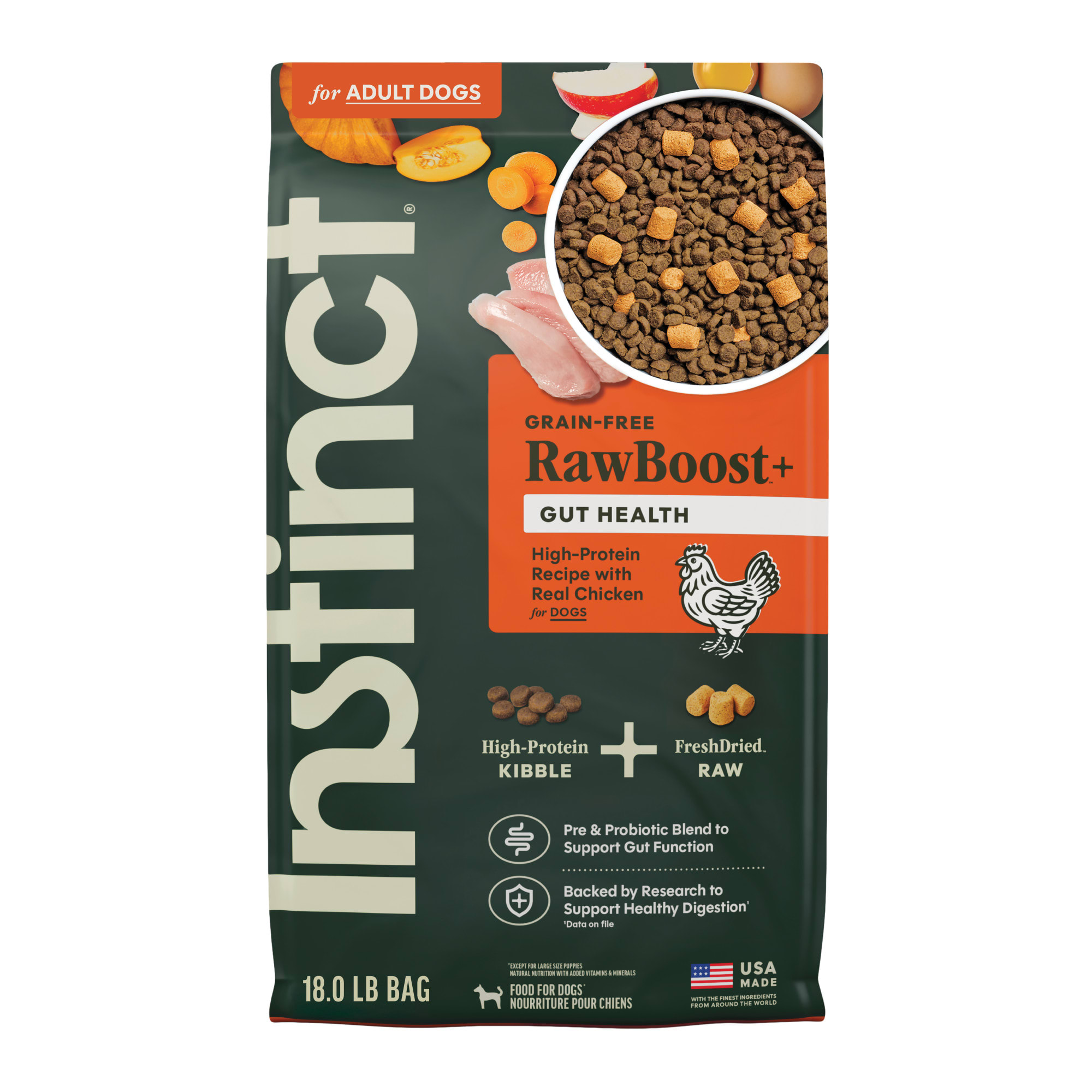 INSTINCT RAW BOOST GUT HEALTH GRAIN FREE RECIPE WITH REAL CHICKEN NATURAL DRY DOG FOOD, 18 LBS.
View Details
 Purina Pro Plan Veterinary Diets Fortiflora Chewable Canine Canister Dog Probiotic Supplement Tablets, Count of 90
View Details
 Hill's Science Diet Adult 7+ Perfect Digestion Small Bites Chicken, Whole Oats & Brown Rice Recipe Dry Dog Food, 12 lbs.
View Details
 Wellness CORE Natural Ingredients for Dogs with Sensitive Stomachs, Chicken Recipe Digestive Health Dry Dog Food, 24 lbs.
View Details
Opiate partial agonist, controlled substance (Schedule IV).
Summary
Used For:
Analgesia, anti-tussive (controls coughing), anti-emetic (controls vomiting), anesthetic protocols
Brands:
Stadol, Torbutrol, Torbugesic
Species:
Dogs, cats, others
Other names:
Drug type:
Pain-reliever
Prescription required:
Yes
Pregnancy and lactation:
Manufacturer does not recommend use in pregnant dogs, foals, weanlings (horses) or breeding horses.
Side effects:
Sedation, excitement, decreased respiratory rate, ataxia, decreased or absent appetite, diarrhea
General description
Butorphanol is an opiate partial agonist used in dogs, cats and many other species. It is a controlled substance used as an analgesic (pain medication), antitussive (cough suppressant), antiemetic (controls vomiting) and as an anesthetic drug used in conjunction with other medications.
Uses
Analgesia (pain control), antitussive (cough suppressant), antiemetic (controls vomiting), anesthetic agent
How it works
Butorphanol can be given for the relief of mild pain, the relief of chronic non-productive cough, the relief of vomiting associated with a certain chemotherapy drug (cisplatin) and is used in conjunction with other medications to induce sedation/anesthesia.
Dosage
Dogs: 0.055-1.1 milligrams per kilogram body weight every 6-12 hours. Dose varies with underlying ailment being treated as well as the route the drug is being administered.
Cats: 0.4 milligrams per kilogram of body weight injected under the skin repeated up to 4 times per day for 2 days (FDA-approved dosing).
**All other doses for other species are off-label dosages. The medication dosages listed can vary based on underlying medical conditions and indication for use. Medications should only be administered to pets under the direct guidance of a veterinarian.
Forms
Butorphanol for injection comes in 0.5, 2 or 10 milligrams per milliliter concentrations.
Butorphanol tablets for oral use come in 1, 5, and 10 milligram sizes.
Storage information & handling
Butorphanol tablets should be stored at room temperature. The injectable form should be stored away from bright light at room temperature.
What results can I expect?
Pet parents should notice their pet seems less painful, coughs less (if coughing was an issue) and may be more sedate or drowsy.
Missed Dosage
If a dose is missed, continue with the next dosage at the scheduled time.
Overdose / acute toxicity
Acute life-threatening overdoses with butorphanol are unlikely with the oral form. Contact your veterinarian if you suspect your pet has received an overdose.
Side effects
May include:
- Sedation
- Excitement
- Decreased respiratory rate
- Stumbling (ataxia)
- Decreased or absent appetite
- Diarrhea (rarely)
Contraindications
*Do not use in animals with a previous sensitivity to butorphanol.
Drug interactions
Central nervous system depressants may increase the effects of butorphanol. Erythromycin and theophylline may decrease the metabolism of butorphanol. Fentanyl may alter the effect of butorphanol. Pancuronium may cause changes in the conjunctiva when used with butorphanol.
Precaution
Butorphanol should be used with caution in patients with hypothyroidism, severe kidney disease, Addison’s disease, geriatric animals and severely debilitated animals. Use with extreme caution in patients with head trauma, increased cerebrospinal fluid pressure or central nervous system dysfunction. The manufacturer recommends avoiding use in dogs with a history of liver disease, conditions of the lower respiratory tract associated with high mucus production and heartworm disease. The dose of butorphanol given to dogs with the MDR1 (ABCB-1) gene mutation should be decreased.
Sources
Plumb’s Veterinary Drug Handbook
Manufacturer information: Zoetis
Disclaimer
The information contained on this page is for educational purposes only. This medication should only be given under the advice of a veterinarian who has examined your pet under the laws applicable to your state of residence.