


Two Easy Ways to Start Earning Rewards!
Become a member today! Members-only pricing and offers, personalized care notifications, Vital Care points back on every purchase and more!
 Become a credit card member today!
Earn 2X Pals Rewards points at Petco
when you use Petco Pay!APPLY NOWLearn More About Petco Pay Benefits
Acetylcysteine (NAC) Uses: Toxicity Antidote & Mucus Relief for Pets
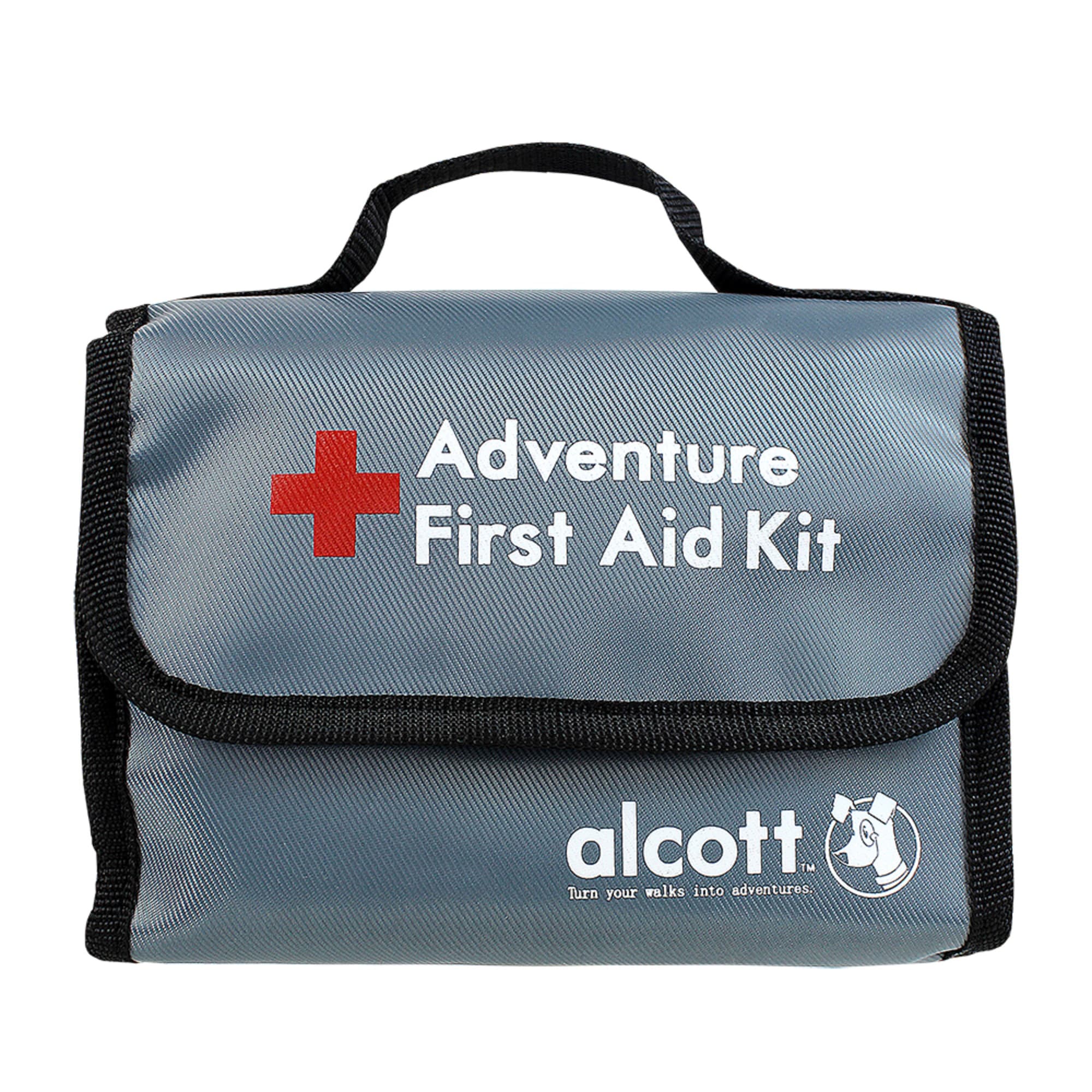 alcott Gray Adventure first Aid Kit for Dogs and Humans
View Details
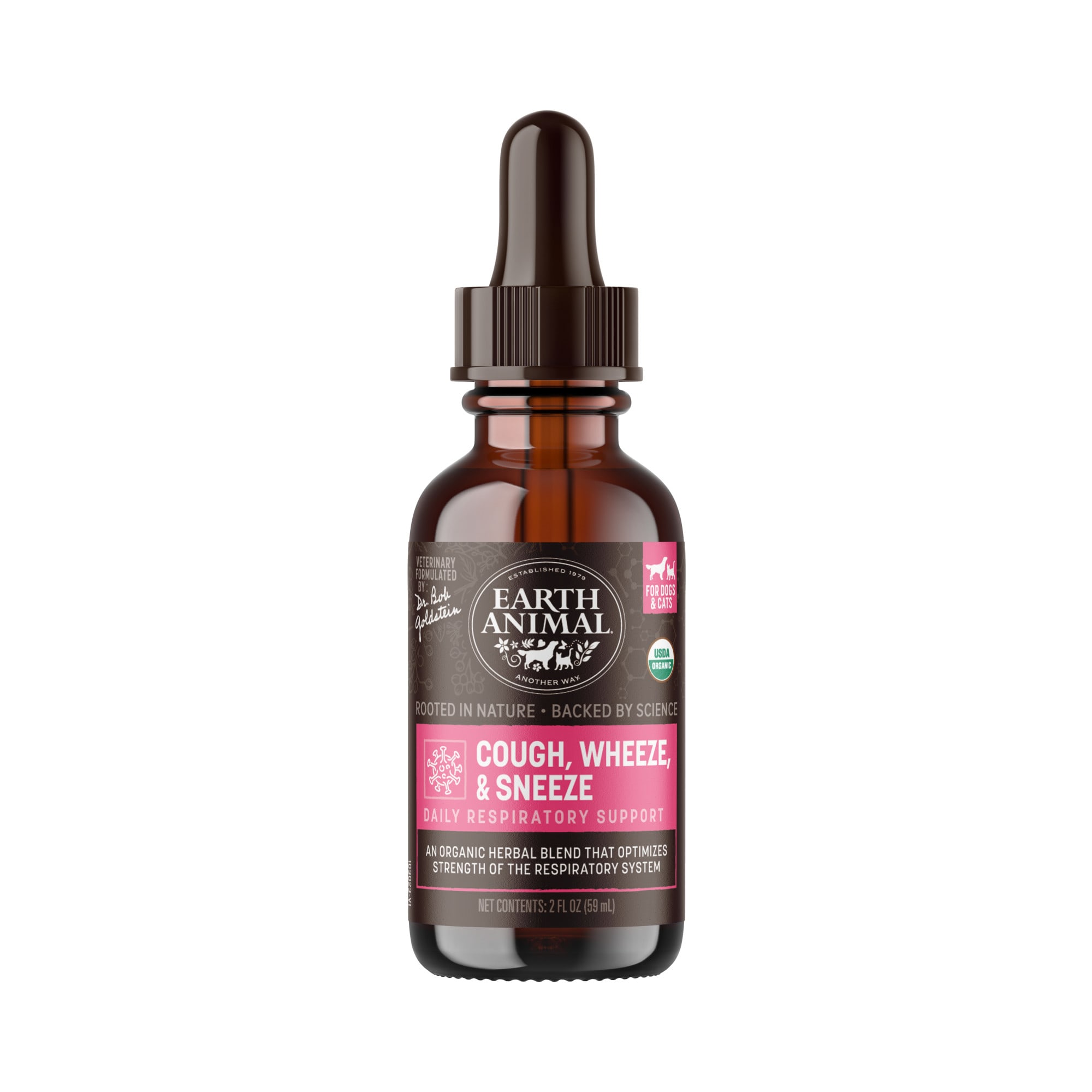 Earth Animal Natural Remedies Cough, Wheeze & Sneeze Liquid Homeopathic Respiratory Supplement for Dogs & Cats, 2 fl. oz.
View Details
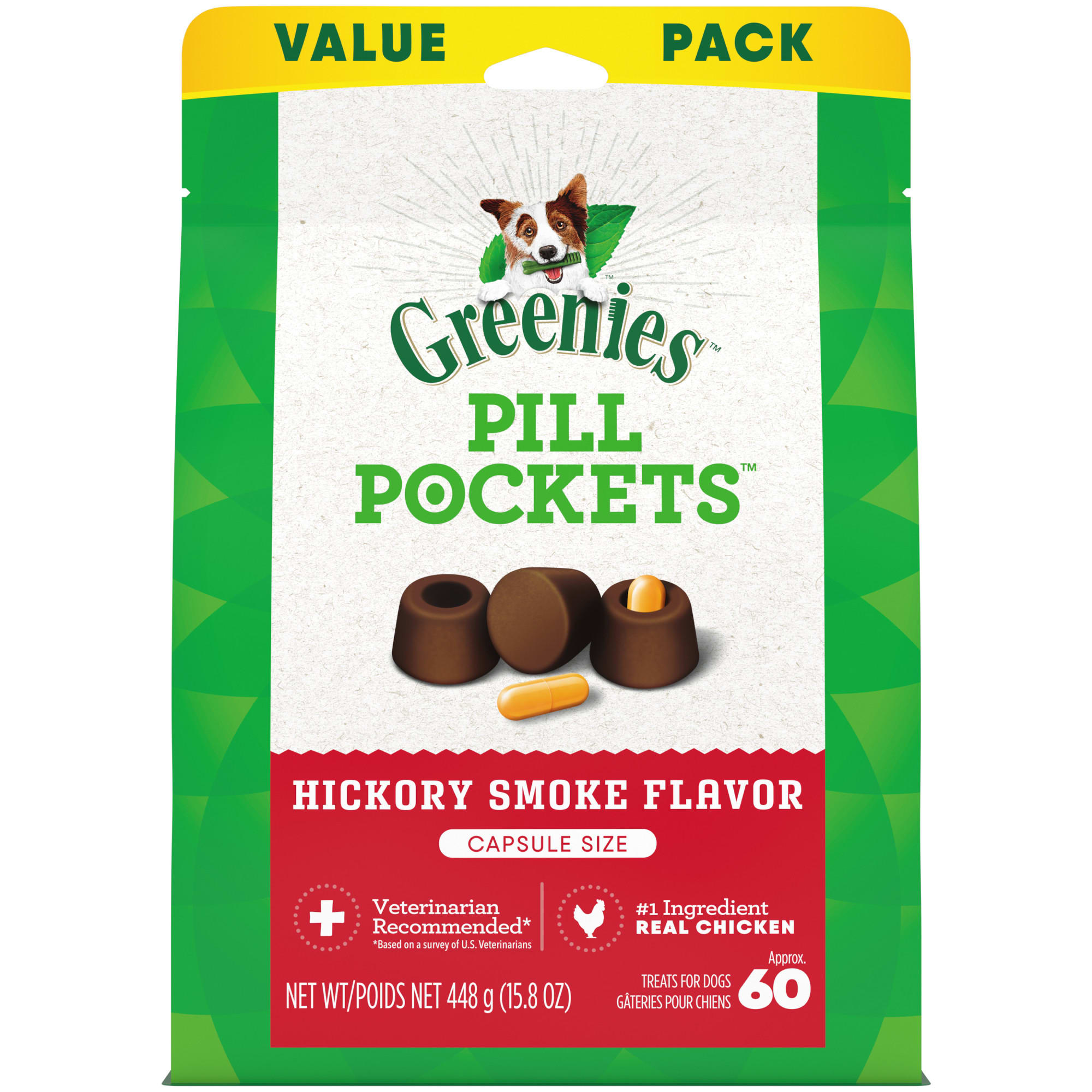 Greenies Pill Pockets Hickory Smoke Flavor Large Size Soft Dog Treats, 15.8 oz., Count of 60
View Details
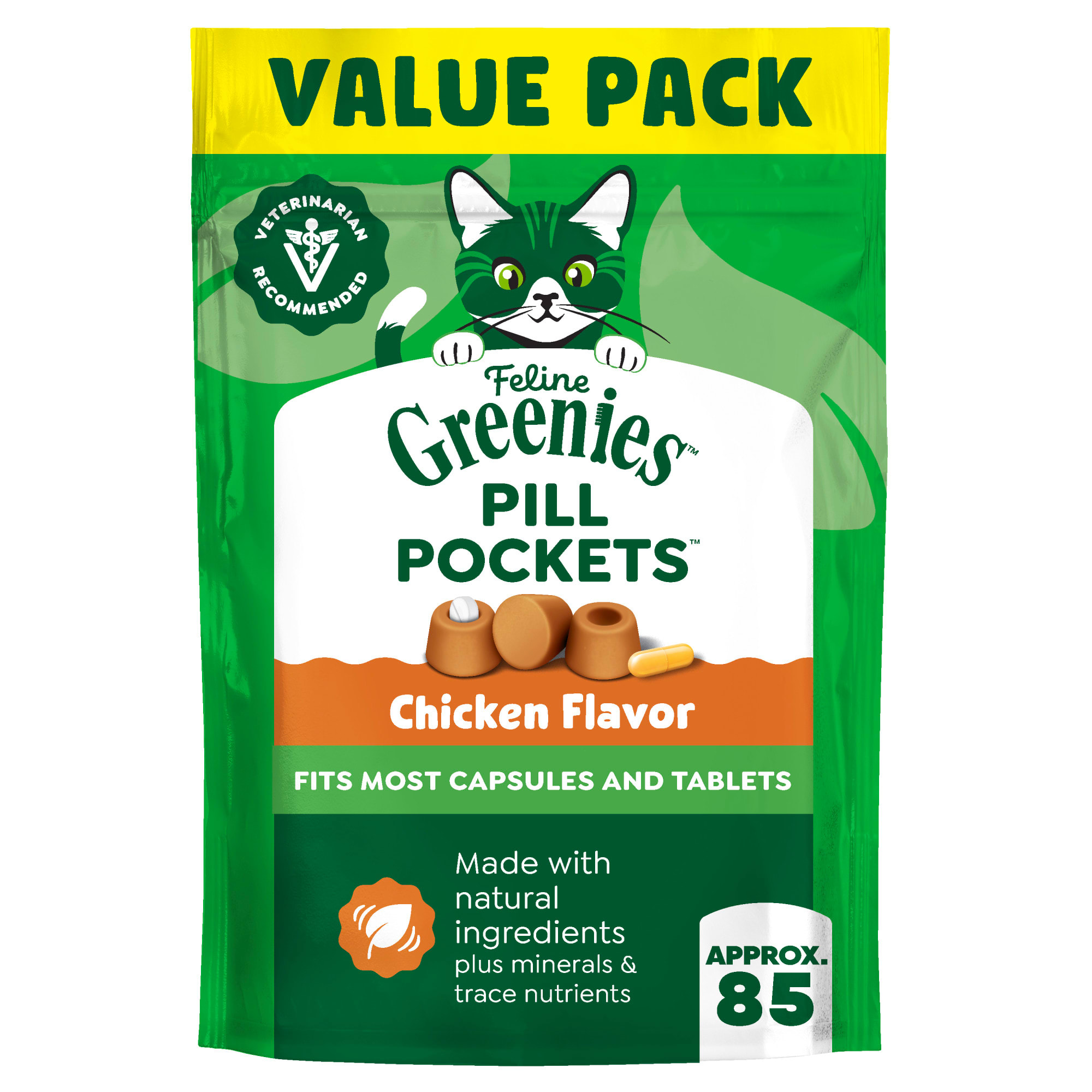 Greenies Feline Pill Pockets Chicken Flavor for Cats Soft Cat Treats, 3 oz., Count of 85
View Details
 Well & Good Pill Dispenser for Pets
View Details
Acetylcysteine is generally utilized when treating toxicity due to oxidative stress, tissue damage and may be nebulized to break down mucus buildup.
Summary
Used For:
Acetaminophen toxicity, phenol toxicity, mucus buildup
Brands:
Mucomyst
Species:
Dogs and cats
Other names:
N-acetylcysteine, N-acetyl-L-cysteine, NAC, Acetadote, ACC
Drug type:
Antidote
Prescription required:
Yes
Pregnancy and lactation:
Should be safe during pregnancy, unknown if drug is transferred to milk
Side effects:
GI upset, hives, chest tightness, bronchoconstriction, bronchial or tracheal irritation
General description
Acetylcysteine may be used as an antidote to acetaminophen, xylitol and phenol toxicities. It can also be nebulized to break down mucus buildup.
While many medications are often administered for ‘off-label’ or 'extra-label' use in veterinary medicine, it is important to know that off- or extra- label use of a medication can only be done by a veterinarian when there are no other more appropriate medications for a particular pet's circumstances. Your veterinarian must also know all vitamins, supplements, medications etc. your pet is taking to help avoid complications. You must also be sure to follow all instructions provided by your vet carefully and consult your veterinarian with any questions or concerns if they arise.
Uses
Acetaminophen toxicity, phenol toxicity, mucus buildup.
How it works
Acetylcysteine may reduce the extent of liver injury or methemoglobinemia after ingestion of acetaminophen by providing an alternate substrate for metabolization. When administered into the pulmonary tree, acetylcysteine reduces the viscosity of mucoid secretions and expedites their removal through coughing.
Dosage
Dogs and cats, for acetaminophen toxicity: oral loading dose of 140 milligrams per kilogram (diluted to 5% solution) followed by 70 milligrams per kilogram by mouth every 6 hours for 7 treatments; should be spaced from activated charcoal administration by 2-3 hours.
Dogs and cats, for respiratory use: 50 milliliters per hour for 30-60 minutes every 12 hours by nebulization.
- Information provided above outlines what a typical dose might look like. Always consult your veterinarian on the appropriate dose for your specific animal when using any vitamin, supplement, off-label or prescription products. Some vets may prescribe outside of these ranges based on specific needs of the patient.
Forms
Available in a 10% and 20% solution in 4, 10, 30 and 100 milliliter vials.
Storage information & handling
Review label for detailed instructions specific to the product. When unopened, store at room temperature. After opening, vials should be kept refrigerated and used within 96 hours. Products labeled for IV use should be discarded after 24 hours.
What results can I expect?
When used for toxicities, results will often depend on the amount time between toxic exposure and treatment, condition of the animal and may not be immediately evident. When used for mucus buildup, results should be expected with the first couple of doses.
Missed Dosage
If a dose is missed, continue with the next dosage at the scheduled time. Never administer doses back-to-back, if it is nearly time for the next dose skip the missed dose and continue with the scheduled timing provided by your veterinarian.
Overdose / acute toxicity
Other than the common side effects, the drug is considered safe in most overdose situations.
Side effects
Oral administration:
- GI effects (nausea and vomiting
- Urticaria (hives)
Inhaled administration:
- Chest tightness
- Bronchoconstriction
- Bronchial or tracheal irritation
Contraindications
*Do not use in cases of a known hypersensitivity.
Drug interactions
Acetylcysteine may be inactivated by activated charcoal. Use caution with nitroglycerin.
Precaution
Do not delay administration of acetylcysteine in cats with acetaminophen ingestion due to their rapid development of methemoglobinemia after acetaminophen ingestion.
Should be administered by gastric or duodenal tube in toxicity treatments. Use with caution in pets with liver or kidney disease.
Sources
Plumb’s Veterinary Drug Handbook
Pfizer - Acetylcysteine
Disclaimer
The information contained on this page is for educational purposes only. This medication should only be given under the advice of a veterinarian who has examined your pet under the laws applicable to your state of residence.