


Two Easy Ways to Start Earning Rewards!
Become a member today! Members-only pricing and offers, personalized care notifications, Vital Care points back on every purchase and more!
 Become a credit card member today!
Earn 2X Pals Rewards points at Petco
when you use Petco Pay!APPLY NOWLearn More About Petco Pay Benefits
How Long Does Dry Dog Food Stay Fresh?
Updated on November 6, 2026


Written by Elizabeth Anderson Lopez
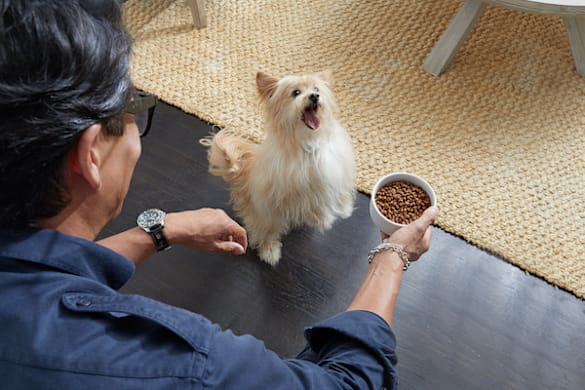
Dry dog food doesn't last forever. Here's how long a bag stays fresh, how to spot when it's gone stale, and how to store it right.
How Long Does Dry Dog Food Stay Fresh?
We are used to seeing freshness touted for many of our foods, and rightfully so. That’s important for our pet’s food as well, even if that message isn’t as widely talked about. Many pet parents are surprised to learn that dry dog food doesn’t last forever. Freshness affects not only taste but also nutritional quality. Over time, fats can become rancid and certain nutrients can break down. In this guide, we’ll answer does dog food expire, explain how long unopened and opened dry dog food lasts, review common spoilage signs and share simple storage tips to help keep your dog’s meals fresh.
Does dry dog food really expire?
Yep, it really does. Pet food packaging often includes a best-by date, which indicates how long the manufacturer expects the product to maintain its optimal quality. While a best-by date isn’t always the same as a true expiration date, pet parents should treat the printed date as the last day to feed the food.
Dry kibble contains preservatives that help extend shelf life, however, nutrients such as fats and vitamins naturally degrade over time. Stale or rancid food not only loses its nutritional value and palatability but can also make your dog ill. While your dog might still eat it, it’s up to pup parents to prevent them from doing so.
How long does it stay fresh once opened?
Once opened, dry dog food should be used within four to six weeks. Exposure to air causes oxidation, which begins affecting freshness almost immediately. Heat and humidity can speed up this process, so keep that in mind if your dog’s food starts smelling funky sooner than expected.
To maximize freshness:
- Purchase a bag size your dog can finish within four to six weeks
- Squeeze as much air out as possible and reseal the bag after each use
- Store it properly between meals
Choosing the right bag size can help reduce waste while ensuring your dog receives fresh food every day. Petco can help you find the right tight container to help maintain that freshness.
How long does an unopened bag last?
Now, if you haven’t opened the bag yet, that’s a much different story. Thanks to packaging technology such as vacuum sealing and nitrogen flushing, an unopened bag of dry dog food typically lasts between 12 and 18 months from the manufacture date. Some formulas may remain shelf-stable for up to two years when stored properly. To keep fresh, the bag needs to be sealed. Even a small puncture can decrease the shelf life of the product.
You can usually find the best-by date:
- Near the barcode
- Along the bottom seam of the bag
- Printed on the back or side panel
Always check the packaging for the expiration date and any punctures or tears before purchasing or feeding dog food.
Signs your dog’s food has gone bad
If you can’t remember when you opened your dog’s bag of food, there are a few things you can check for. Before serving your dog’s next meal, look for signs that the food may no longer be fresh. Common warning signs include:
- A rancid or unusual odor
- Changes in color
- Clumping or excess moisture
- Visible mold
- Your dog suddenly refusing the food
If something seems off, throw the food away rather than risk digestive upset or reduced nutritional quality. Remember, vomiting and diarrhea aren’t just miserable for your dog—they are unpleasant for you, too!
Tips to keep dry dog food fresh longer
As stated, air is the enemy of freshness when it comes to dry dog food. Proper storage can help preserve both freshness and nutrition. Follow these simple tips:
- Store food in a cool, dry, dark location
- Keep the kibble in its original bag whenever possible
- Place the original bag inside an airtight storage container
- Reseal the bag tightly after each use
- Clean and thoroughly dry storage containers before adding a new bag of food
Keeping food in its original packaging helps preserve important manufacturer information such as lot numbers and best-by dates. If you prefer to empty the kibble into an air-tight container, make sure it is clean and dry, and take a photo of that info so you can refer to it if needed.
Pet parents who regularly purchase dog food may find that subscription or autoship programs and Petco Perks benefits can help match bag size and delivery frequency to their household’s needs.
Conclusion
Fresh dog food helps support your pet’s nutritional needs and enjoyment at mealtime. Older food isn’t just less tasty, it’s less healthy. With proper storage and regular freshness checks, you can help ensure every bowl is as nutritious as intended.
How long does dry dog food stay fresh? FAQs
While some food may appear fine shortly after the printed date, manufacturers establish these dates for quality and freshness. Food that has passed its expiration date should be thrown away. Always inspect the food carefully for signs of spoilage and consult your veterinarian if you have concerns.
Refrigeration is generally unnecessary for dry dog food. Freezing may help preserve freshness in some cases, but proper storage in a sealed container at room temperature is usually sufficient for most households.
Dogs are often willing to eat things that aren’t ideal for them and seem gross to us. Just because your dog will eat expired food doesn’t mean they should. Expired food loses its nutritional value and fats may become rancid, which can contribute to digestive upset (which, again, is gross to us and not fun for your dog, either). Fresh food is always the better choice for supporting your dog’s long-term health and nutritional needs.