Two Easy Ways to Start Earning Rewards!
Earn 2X Pals Rewards points at Petco
when you use Petco Pay!
Get It Today
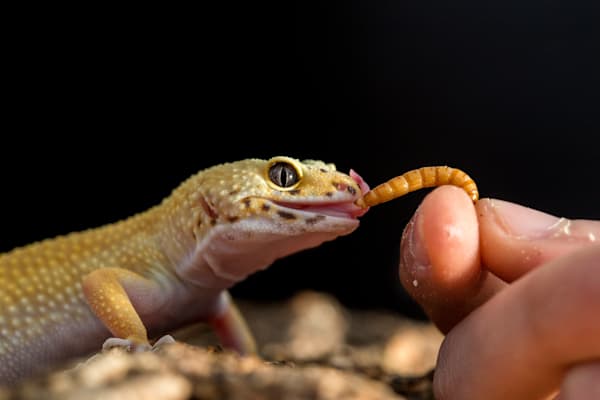
Learn how to care for a Leopard Gecko, recommended diet and habitat setup. Find the right food, supplies and equipment at your neighborhood Petco.
Updated on April 9th, 2026
Learn some fun facts about leopard geckos, available at Petco. There’s lots to learn about these fun and fascinate pets.
Updated on October 23rd, 2025
Picking the best leopard gecko substrate can be an overwhelming task; learn about some great options to help your leopard gecko live a happy & healthy life!
Updated on June 19th, 2026
Learn how to care for tropical geckos, recommended diet & habitat setup. Find the right food, supplies & equipment at your neighborhood Petco.
Updated on April 9th, 2026
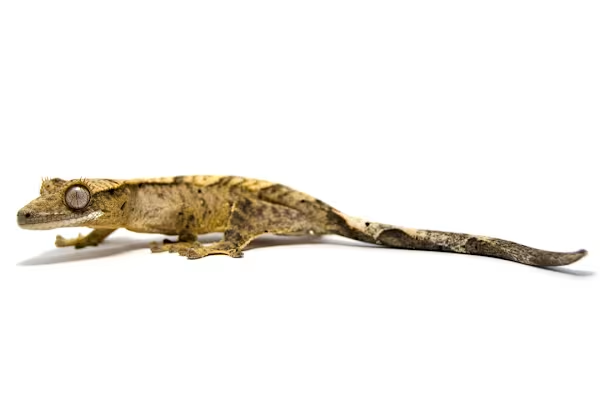
Learn how to take care of your Crested Gecko, tank size, diet & habitat setup. Find the right food, supplies and equipment at your neighborhood Petco.
Updated on December 22nd, 2025
Leopard geckos are great "starter" reptiles. They don't require special lighting (UVB) like other reptiles. A 20 gallon tank is big enough for one. Add a heat source, hides and a water bowl and you are good to go. You can review gecko care at the links below. http://www.reptilesmagazine.com/Care-Sheets/Lizards/Leopard-Gecko/ http://www.anapsid.org/leopardgek.html
Updated on September 24th, 2025
Give him a good soak (20-30 minutes) in a warm 50/50 solution of water and unflavored PediaLyte. This will provide hydration and warm him up which may stimulate his appetite. An exam with your veterinarian or an experienced herp vet is always recommended for "new" pets or pets that may be ill or injured. Offer food about an hour or 2 after the heat lamp comes on in the morning. This will allow him to warm up and he will be more likely to eat what is offered. Use a variety of prey if possible. This can include crickets, dubia roaches, phoenix worms and the occasional superworm. Superworms are good to feed if you have a skinny gecko that needs to put on weight. Review additional care info here: http://www.anapsid.org/leopardgek.html
Updated on September 24th, 2025
A 10 gallon tank can be purchased in the local Petco for less than twenty dollars ( https://www.petco.com/shop/en/petcostore/product/fish/fish-aquariums-kits/aquariums-up-to-ten-gallons/aqueon-standard-glass-aquarium-tank-10-gallon ). It would be easier to keep and secure than a laundry hamper. Given the temps required for geckos, plastic may not be the best option either. You will need a a heat lamp for day use and maybe a heat source if nighttime temperatures drop below 70 F. You can use slate, reptile carpet, plain paper towels or a coconut fiber substrate. Review gecko care at the link below. http://www.reptilesmagazine.com/Care-Sheets/Lizards/Leopard-Gecko/
Updated on September 24th, 2025
The tank may be too cold. If so, Rita will stay on the mat. Low temps can affect appetite and activity in reptiles. Maintain a basking spot temperature in the 90s F. This will produce a gradient of the mid 70s to 80s in the rest of the cage. You can soak her in a warm 50/50 solution of water and unflavored PediaLyte. This will warm her up and treat or prevent mild dehydration. Feed appropriately sized prey. Crickets or dubia roaches are recommended over mealworms for juvenile geckos. They should be no bigger than the space between her eyes. Gut load them for 24 hours prior to offering to maximize nutritional value.
Updated on September 24th, 2025
Soak once or twice weekly in a warm 50/50 solution of water and unflavored PediaLyte. Feed lower protein prey (mealworms, nightcrawlers, crickets). Avoid high protein prey such as locusts, dubia roaches and waxworms. Blood work may need to be monitored to track progression. Further treatment (steroids, phosphate binders, calcium supplements, fluid therapy) will depend on status. The waxy substance may be normal secretions from the pre anal pores. This is used for marking branches and letting other geckos know who is in the area.
Updated on September 24th, 2025