Two Easy Ways to Start Earning Rewards!
Earn 2X Pals Rewards points at Petco
when you use Petco Pay!
Get It Today
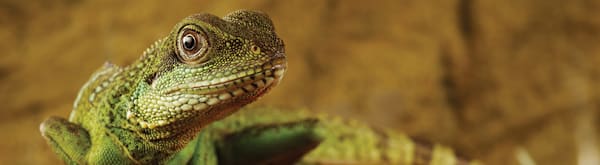
Learn how to setup your reptiles terrarium to ensure your reptile lives a wholesome & happy life. Shop at your local Petco for all reptile terrarium needs.
Updated on July 17th, 2026
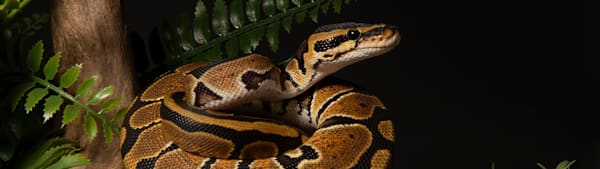
Explore our tips about what to keep in mind when choosing the right pet reptile for your family. Consider what they need to stay happy and healthy.
Updated on October 23rd, 2025
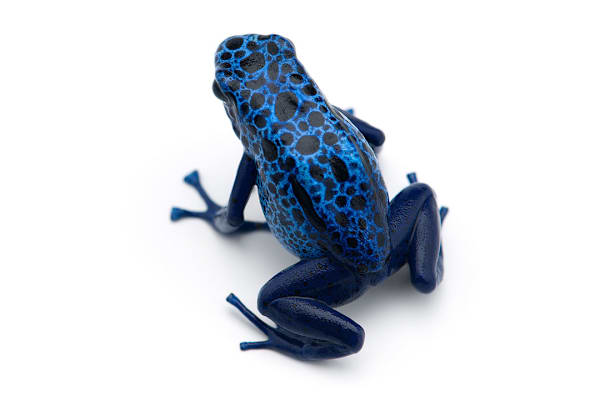
Learn how to care for small Terrestrial Frogs, recommended diet and habitat setup. Find the right food, supplies and equipment at your neighborhood Petco.
Updated on April 9th, 2026
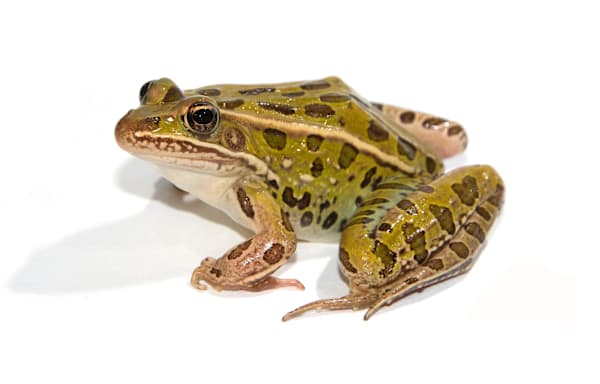
Learn how to care for large terrestrial frogs, recommended diet & habitat setup. Find the right food, supplies & equipment at your neighborhood Petco.
Updated on April 9th, 2026
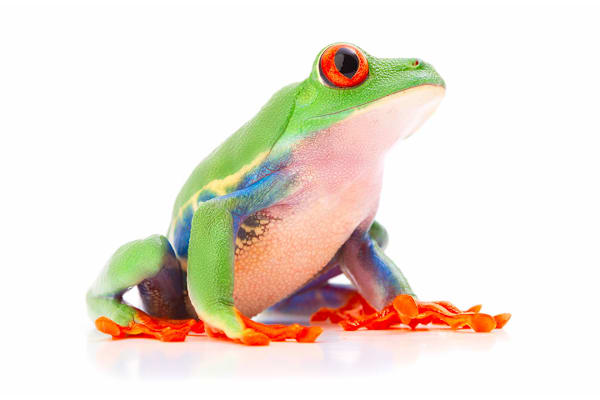
Learn how to care for a Red-Eyed Tree Frog, recommended diet and habitat setup. Find the right food, supplies and equipment at your neighborhood Petco.
Updated on April 9th, 2026
A 29L is a good sized enclosure for this species of tree frog. Juvenile frogs are much more active than adults. As your frog matures, it will "settle down" and spend more time on the ground. You can still use branches and perches to make use of the vertical space. You can keep two in the tank if you choose as long as there isn't a significant size difference. Different species cannot be kept together though. They do not need a night light. They do best with a 12 hours on/off light cycle.
Updated on September 24th, 2025
thanks for reaching out about Autumn. Reptile Magazine has several good articles. Pristine water quality and a well-rounded diet is imperative. Large 55+ gallon aquarium with haul out area, heat lamp for water and basking, UVA and B radiation exposure. A wide variety of insects including crickets, mealworms, earthworms and any other insects from the outdoors or garden, as long as no pesticides are used. Good luck.
Updated on September 24th, 2025
Thanks for your question - to find a veterinarian in your area, you can check the AAFV or ARAV websites. Additionally, UC Davis is a couple of hours from you, and they have a department at their veterinary school that will see both fish and frogs. For the rock size - you are correct - you want to have larger rocks so that your frog doesn’t accidentally ingest any of them. For your last question about the spasms - without further description I would be unable to determine if this was normal or not, but I would recommend ensuring that you have a complete and balanced diet for the species of frog that you have. Nutritional deficiencies can be very common in frogs, and can result in “spasms” in them. I hope that helps to answer your questions, and good luck!
Updated on September 24th, 2025
It is too small to be used for much beyond transport, quarantine or temporary housing (i.e. during cleaning of main enclosure). The plastic construction does not allow for light or heat sources which most reptiles or exotic pets require.
Updated on September 24th, 2025
Leopard geckos are great "starter" reptiles. They don't require special lighting (UVB) like other reptiles. A 20 gallon tank is big enough for one. Add a heat source, hides and a water bowl and you are good to go. You can review gecko care at the links below. http://www.reptilesmagazine.com/Care-Sheets/Lizards/Leopard-Gecko/ http://www.anapsid.org/leopardgek.html
Updated on September 24th, 2025