Two Easy Ways to Start Earning Rewards!
Earn 2X Pals Rewards points at Petco
when you use Petco Pay!
Get It Today
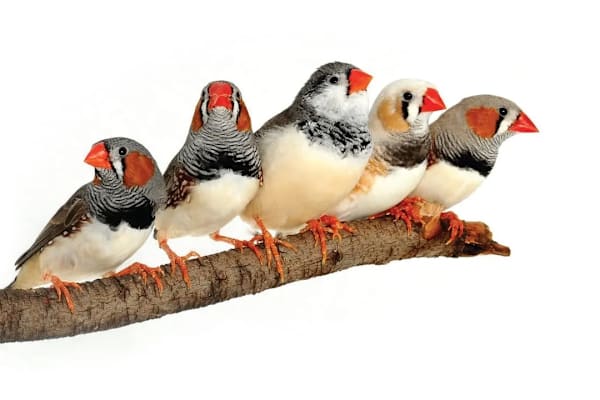
Learn how to take care of your pet Finches, recommended cage size, diet & housing setup. Find the right food, supplies & equipment at your local Petco.
Updated on April 9th, 2026
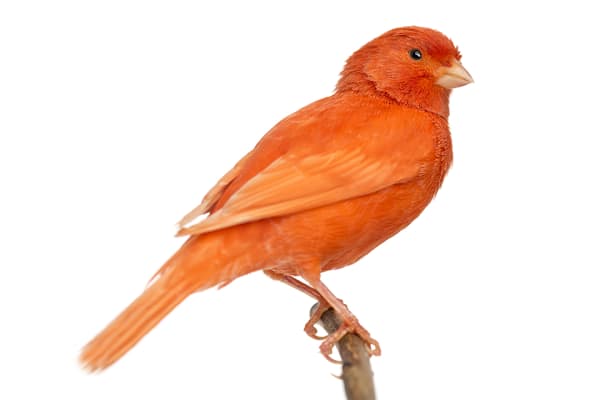
Learn how to care for a Canary, Canary facts, recommended diet and habitat setup. Find the right food, supplies and equipment at your neighborhood Petco.
Updated on April 9th, 2026
Learn some tips about bringing your new pet bird home for the first time. Find out what supplies and actions will help her feel most at home.
Updated on October 23rd, 2025
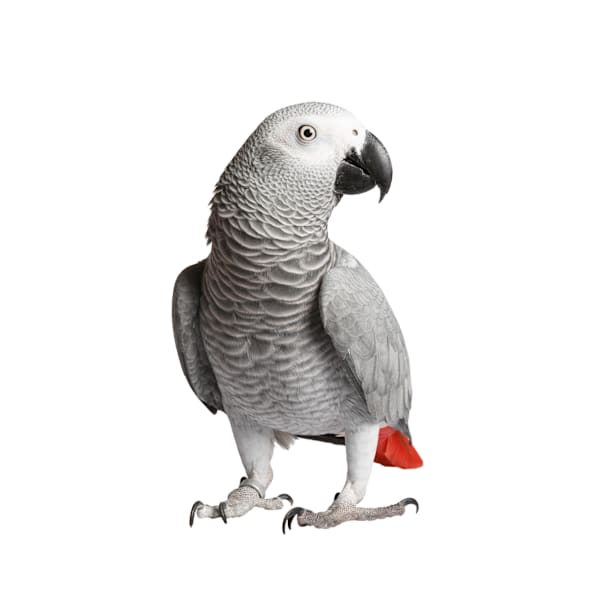
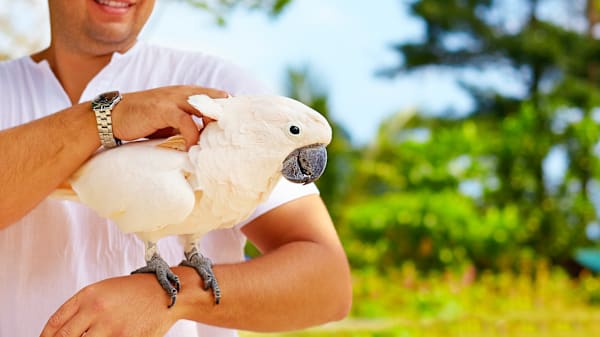
Learn how to take care of large Hookbill, recommended diet and housing setup. Find the right food, supplies and equipment at your neighborhood Petco.
Updated on April 9th, 2026
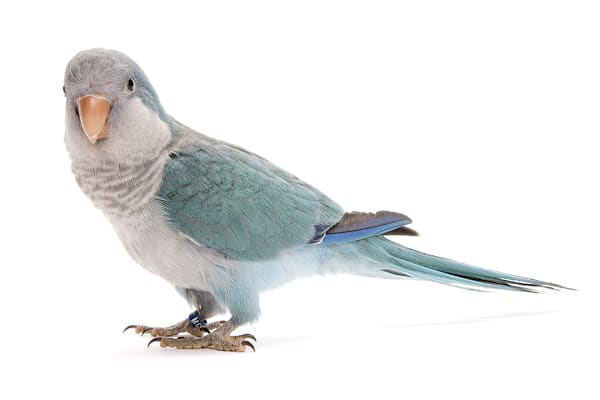
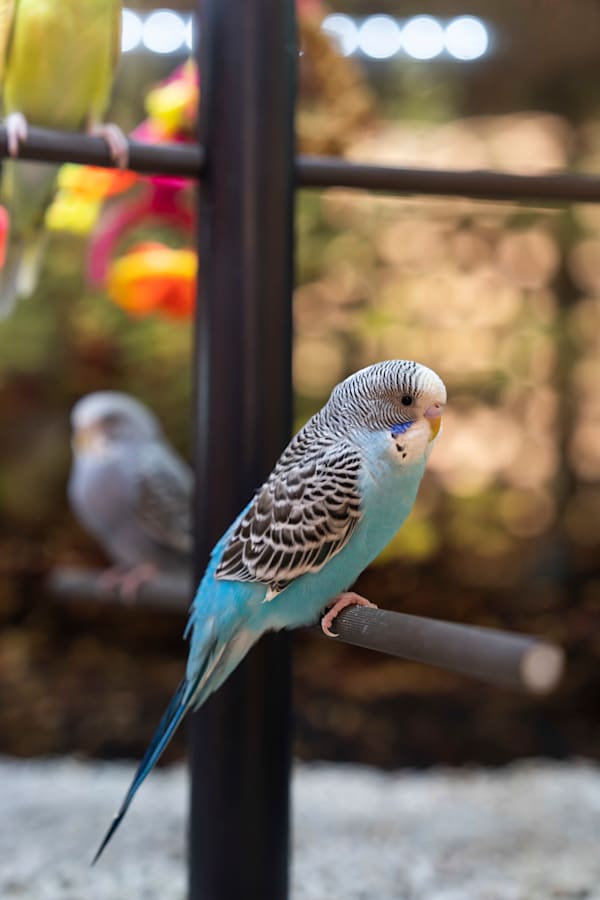
Learn how to care for a medium-sized parakeets, recommended diet & bird cage setup. Find the right food, supplies & equipment at your neighborhood Petco.
Updated on April 9th, 2026
Without knowing the size of the cage, it is hard to give advice. If they have a large flight cage where they can easily move around and exercise, then that may be enough. Adding in some fun toys to explore, moving dishes and toys around or rotating them out, offering treats to chew on, etc can all help increase enrichment and make things more fun for your birds. If they're kept in very small cages, then looking for a playpen that can fit in the room or on top of the cage may be nice for your birds to climb on or play on. However, finches tend to explore more and may want to fly around, so it is best to make sure they are only let loose in rooms where they can easily be caught again and cannot fly into windows, doors, or other dangerous objects that can cause injury or death.
Updated on September 24th, 2025
Ideally, the more space the better, and three birds should have a flight cage that is big enough for them to fly back and forth horizontally in (finches tend to like horizontal rather than vertical cages). You also want to make sure each bird has their own access to food, water, and bedding areas, with dividers such as perches or toys to break up the space and prevent fighting over territory. If you do introduce a new bird, make sure to keep him separated for a week first to prevent the spread of any illness, and to make sure he is healthy enough to be added to the flock before doing so.
Updated on September 24th, 2025
It is best to go with the cage that has the most horizontal flight space. Peaked cages are OK looks-wise, but make sure it is safe and feet and wings can't get caught where the edges meet. Avoid round shaped cages as well as it can sometimes stress birds out to not have a corner they can hide and relax in. Any cage should have enough room to move around a bit, have some toys for enrichment, and have a place to quietly rest aside from food and water locations.
Updated on September 24th, 2025
I am sorry for your loss. Cats, opossum, & raccoons are all very adept at hooking & pulling a small bird thru the cage bars. You must protect your birds with a strong enclosure. Perhaps you can build a box using strong lumbar & wire cloth. Otherwise, bring your cages in at night to protect your precious birds. Thank you for using Petco Pet Education Center, formerly Petcoach.
Updated on September 24th, 2025
Thanks for reaching out about Aqua. You can search for free cages on sites such as Craigs List or local bird rescue groups. A minimal size is probably 2' x 2' x 3', but depends on how much time is spent in the cage. Flight is good exercise but needs to monitored so the birds don't get themselves into trouble flying around. No bird should be left outside of its cage unattended. If birds are active and out of the cage for a fair amount, the night cage can be smaller, as is for mostly sleeping. Good luck.
Updated on September 24th, 2025