Table of Contents
Why is microchipping important?
One in three pets will become lost at some point in their lives, according to the American Veterinary Medical Association (AVMA). One of the best ways to help ensure that you and your dog or cat will be reunited if they get lost is to make sure they have a microchip.
What is a pet microchip, and where is it inserted?
A microchip is a tiny transponder (about the size of a grain of rice) that is implanted subcutaneously (under your pet’s skin) between their shoulder blades. The transponder contains a unique identification number to your dog or cat that when scanned with a microchip reader it displays the ID number. This ID number is stored with the company and connects with your contact information. The beauty of a microchip is that it doesn’t need batteries and doesn’t use an electric charge. The microchip is designed to last for up to 25 years, so you shouldn’t need to replace it. One of your most important jobs as a pet parent is to register your dog or cat’s microchip ID number and assure your contact information is up to date, so you can be contacted if your lost pet is found.
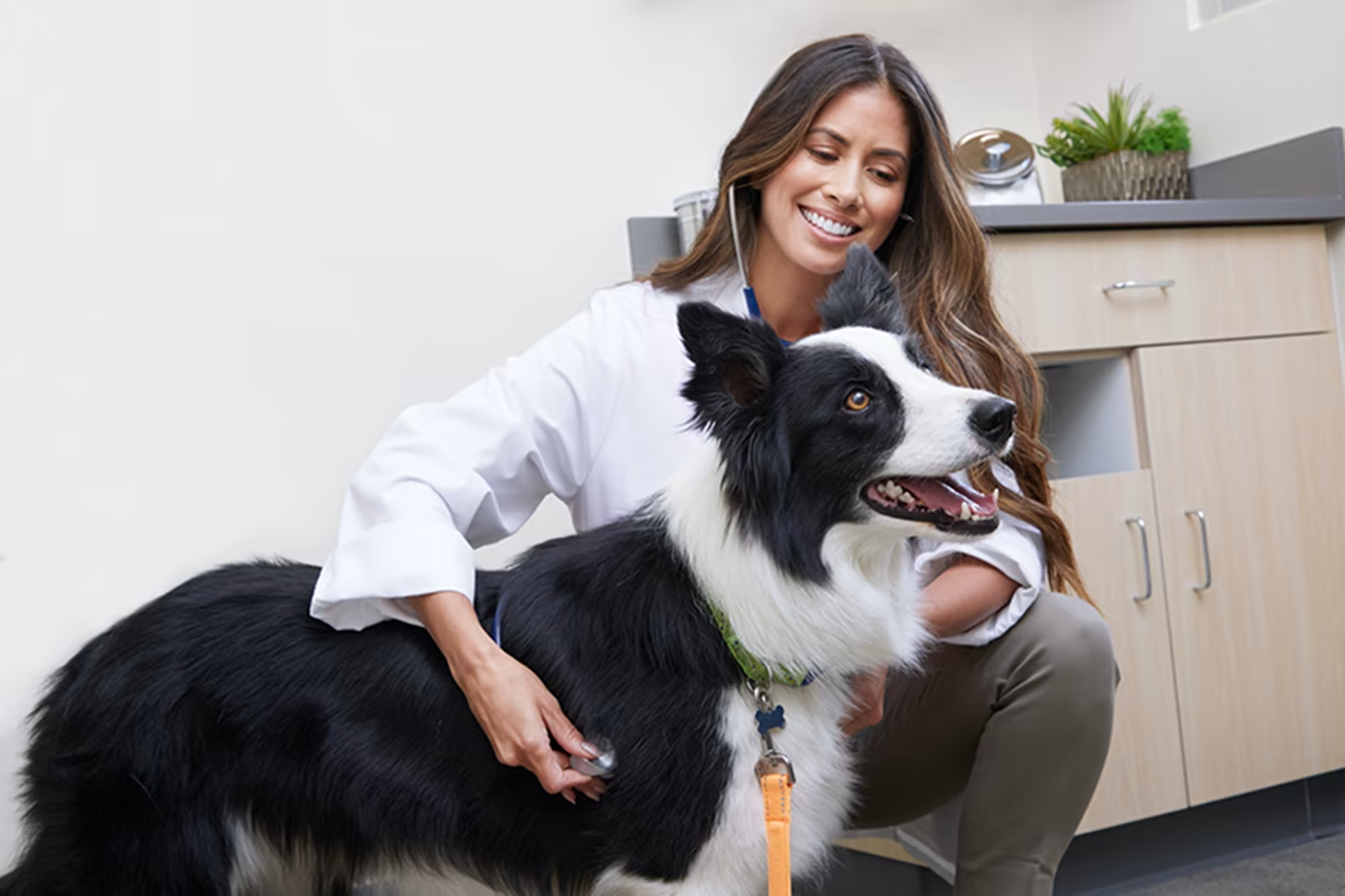
How to get your dog or cat microchipped
First, make an appointment with Petco’s veterinary services. veterinary team will scan your pet and--if they find a microchip--they’ll give you your pet’s ID number and the name of the microchip registry. You can call the registration company and provide updated contact information.
Microchipping procedure & registry
If your dog or cat doesn’t have a microchip, our vets can place one. A microchip is implanted using a needle. The microchip is so small that implantation does not require surgery or even anesthesia. Your Petco vet will provide you with paperwork containing your pet’s ID number and registry information to register your pet.
Microchipping is not a GPS–but it can save your pet’s life
A microchip is not a GPS tracker that tells you where to find your pet if they get lost. A GPS microchip would need to be constantly powered, and that would make it hard to maintain. Let’s say your pet goes exploring without your permission. Maybe their collar gets snagged and comes off, so they no longer have their collar with ID. If your pet is found and brought to a local shelter or vet's office, they are scanned for a microchip. The scan reveals your pet's identification number and its associated registry. The vet or shelter contacts the registry, who reaches out to you to tell you where to find your pet. It is so crucial that you register and maintain an accurate contact associated with your pet’s microchip. The chip itself only transmits an ID number. It’s up to you to connect that ID number to your personal information so the registry can reach you if your pet gets lost.

Lower the risk of losing a pet
The best way to reunite with your pet is to prevent them from getting lost in the first place. Collars, ID tags and microchips can be very useful if this should happen. You can also help lower your risk of your pet going missing with securing pet doors, electronic dog fences and behavioral training for your dog. At Petco, we are here to help you keep your pet safe and sound. Keep reading to learn more about why it’s important to microchip your pet or find out more about pet behavior training. Petco Love Lost was created to help missing pets be reunited with their pet parents. Upload your pet's photo to their database and explore their site for additional resources.